A Blown Film Extruder Machine can look impressive on a factory floor, yet its value shows up in the film: steady bubbles, even gauge, and fewer interruptions. Choosing a manufacturer is therefore more than comparing output figures. Buyers also need to examine die design, cooling, controls, operator support, and access to spare parts. Small details matter. A drifting bubble can turn a clean production run into wasted rolls.
The OECD’s Global Plastics Outlook (2022) reports that global plastics production reached 460 million tonnes in 2019. That figure describes the wider plastics sector, not blown-film machinery demand. Still, it shows the scale of the processing environment manufacturers serve. Extrusion specialist Dr. Chris Rauwendaal’s published work offers a useful principle, paraphrased here: stable processing depends on controlling the melt, not simply buying a larger machine. It is a practical reminder, though not a complete buying rule.
This Top 10 guide compares manufacturers through practical criteria: machine configuration, production consistency, technical service, customization, and documented experience. Company claims deserve scrutiny; advertised capacity may not reflect a specific resin, film width, or plant setup. Not every factory needs the same line. The ranking is a starting point, not a substitute for trials, reference checks, and a clear review of operating requirements. Some comparisons remain imperfect because public performance data is limited. That limitation should be stated, not hidden.
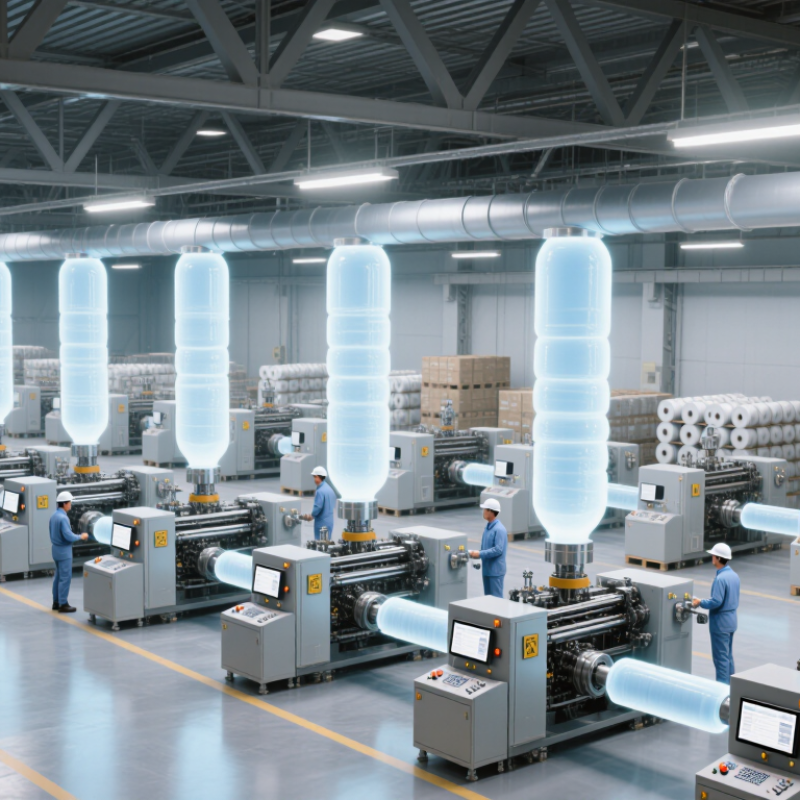
A blown film extruder machine melts plastic resin and forms it into a thin, continuous tube. A screw inside a heated barrel moves and mixes the material before pushing the melt through a circular die. Air enters the tube and inflates it into a bubble. Cooling air helps the film set, while nip rolls flatten the tube and guide it toward winding. The result is film used for bags, liners, and other flexible packaging.
Film quality depends on several settings working together. Operators monitor melt temperature, screw speed, air flow, and haul-off speed. A small change can affect film thickness, clarity, or bubble stability. The bubble may wobble if cooling is uneven or the surrounding air is disturbed. It sounds simple. It isn’t. In practice, finding a stable setup can take careful adjustments, and not every production issue has an obvious cause.
Tips: Check the die and cooling ring for buildup before a run. Watch the bubble for uneven movement, and measure film thickness across the width. Keep notes when changing settings; memory is not always reliable. A clean, steady process helps, but results still depend on the material and operating conditions.
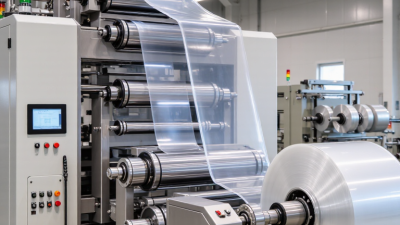
Blown film extrusion begins when plastic pellets drop from a hopper into a heated barrel. A rotating screw moves, compresses, and melts the material. Temperature and screw speed need careful control; uneven melting can cause weak spots or inconsistent film.
The molten polymer exits through a circular die as a thin tube. Air inflates the tube into a bubble, while an air ring cools its surface. Cooling matters. As the bubble rises, the film solidifies near the frost line. Operators adjust airflow, output, and haul-off speed to manage bubble size and film thickness. There is no single setting that suits every resin or production line.
At the top, nip rolls flatten the bubble into two layers and pull the film forward. The flattened web then travels to a winding station, where it forms a roll. During production, gauges can monitor thickness, but readings do not explain every defect. A drifting bubble or small temperature change may still require hands-on adjustment. That part can be frustrating. A careful operator checks the bubble, edges, and roll surface, then changes one setting at a time to identify the cause.
A representative starting profile for an LDPE blown-film line. Actual settings depend on the resin, machine, film specification, and operating conditions.
How the process works: Plastic pellets are melted as they travel through the heated barrel, then pushed through a circular die. Air inflates the molten tube into a bubble; the film cools, collapses, and is wound into rolls.
Choosing a blown film extruder manufacturer requires evidence beyond a polished catalogue. Compare output at a stated resin type, die size, and film thickness; otherwise, production figures are difficult to compare. Ask for recorded thickness variation across the web, melt pressure stability, kilograms per hour, and energy use per kilogram. Numbers matter. Request a witnessed trial using your intended material, including recycled-content blends if relevant. Check how much start-up scrap the trial produces, and whether the supplier shares the raw test conditions. A tidy sample roll is useful, but it does not prove stable performance over a full shift.
Industry data explains why these checks matter. Plastics Europe’s Plastics – the Fast Facts 2023 reported 400.3 million tonnes of global plastics production in 2022. The OECD’s Global Plastics Outlook (2022) found that only 9% of plastic waste was recycled in 2019. These figures do not rank machine makers, but they highlight the value of consistent processing and documented material trials. Examine factory acceptance records, component traceability, operator training, spare-parts availability, and response times for service. Ask for references from plants running comparable film structures and shift patterns. Ask for proof. A limitation remains: published efficiency figures may rely on ideal feedstock and conditions unlike your plant. Make the supplier state those assumptions in writing, then compare results against your own production targets.
Profiles of Ten Blown Film Extruder Machine Manufacturers
A process-focused manufacturer may offer stable temperature control and clear guidance on resin selection. Check whether its team can explain how screw design affects melt consistency. A customization specialist may adapt die size, layer configuration, or winding width to a buyer’s product range. Ask for drawings and realistic lead times. A high-output supplier typically emphasizes throughput, but kilograms per hour mean little without film thickness and resin details. A compact-machine maker may suit smaller plants with limited floor space. Measure access routes, too.
Some manufacturers focus on multilayer systems for packaging films. Their profile should include layer-control details and practical changeover procedures. A recycling-oriented equipment maker may support blends containing reclaimed material, though output can vary with feedstock quality. A service-led supplier stands out through spare-part availability and technician response times. Get these commitments in writing. A controls-focused builder may offer recipes and alarms that help operators repeat settings, but software still needs training.
A laboratory-scale manufacturer can help teams test new formulations before expanding production. A heavy-duty line builder may prioritize continuous operation, robust frames, and accessible maintenance points. A budget-focused maker can lower initial cost, yet buyers should compare energy use, installation needs, and warranty coverage. Not every brochure answers these questions. Request sample-film data, a factory trial, and references from plants with similar materials. Then compare the evidence, not just headline output.
Comparing blown film extruder manufacturers starts with your actual production mix, not a headline output figure. A line rated for high throughput may struggle to hold gauge consistency with your resin, film width, or recycled-content blend. Share your target thickness range, layer structure, and expected operating hours, then ask for comparable test data. A useful trial records output, bubble stability, thickness variation, and scrap rate over a sustained run. Short demonstrations can hide problems.
Check what sits behind the machine, too. Compare screw and die specifications, temperature-control zones, winding options, and the clarity of the control interface. Ask how quickly common wear parts can be supplied and what commissioning support includes. Small details matter. A control panel that operators find confusing can slow a shift, even when the hardware is capable. Request references from plants with similar products, and speak with operators if possible. Review the full cost of installation, training, maintenance, and energy use—not just the purchase price. Some figures will be hard to compare directly. Note that uncertainty rather than treating every brochure number as equally reliable.
Use this brand-neutral scorecard to compare shortlisted manufacturers. Request comparable, documented evidence for each item; machine output and film quality depend on the resin, die, screw, operating conditions, and product specification.
| # | Comparison dimension | What to compare | Evidence to request | Why it matters | Your score (1–5) |
|---|---|---|---|---|---|
| 1 | Product and material fit | Compatibility with your target polymers, additives, recycled-content requirements, film structure, and end use. | Written machine configuration and a trial plan using your intended resin blend and product specification. | A machine must be matched to the material and film application, not just a general output claim. | _____ |
| 2 | Output and operating conditions | Rated and demonstrated output in kg/h, stated together with resin, film width, thickness, layer structure, and operating conditions. | A witnessed or recorded production trial and the conditions under which the quoted output was achieved. | Output figures are meaningful only when the comparison conditions are equivalent. | _____ |
| 3 | Film width and thickness range | Usable layflat width and supported film-thickness range for the products you actually plan to make. | Machine specification, die and haul-off details, plus sample measurements from a relevant trial. | The usable range affects product flexibility and whether the line fits your current and planned orders. | _____ |
| 4 | Layer configuration and mixing | Number of coextruded layers and the proposed extruder, feedblock, and die arrangement for your layer recipe. | Process-flow drawing, layer-distribution proposal, and trial results using a representative structure. | A layer count alone does not establish that a line can reliably produce your required structure. | _____ |
| 5 | Film consistency and quality controls | How the line controls thickness variation, bubble stability, cooling, winding, and other requirements in your film specification. | Documented sample data, inspection method, and a clear definition of the acceptance criteria for the trial. | Agree on measurable product requirements before comparing quality claims. | _____ |
| 6 | Energy and operating costs | Measured energy use per kg of acceptable film, where available, along with stated production conditions and major utility needs. | Trial-based energy data, utility requirements, and a list of included and optional equipment. | A comparable cost assessment should use the same product, operating conditions, and system boundaries. | _____ |
| 7 | Controls and ease of operation | Operator interface, recipe handling, alarms, data access, and the level of automation included in the quoted scope. | Control-system description, demonstration, and a list of standard versus optional functions. | Clear controls and training can support repeatable operation and smoother changeovers. | _____ |
| 8 | Safety and compliance documentation | Risk assessment, guarding, emergency stops, electrical documentation, and conformity with regulations applicable at your installation site. | Applicable declarations, drawings, manuals, and a written list of standards or regulations addressed. | Requirements vary by destination and installation; confirm applicability with qualified local professionals. | _____ |
| 9 | Installation, training, and after-sales support | Installation scope, operator and maintenance training, technical support channels, service coverage, and spare-parts arrangements. | Written service commitments, training agenda, spare-parts list, and support contact process. | Support response and parts availability can affect recovery time when a line needs attention. | _____ |
| 10 | Total cost and delivery risk | Quoted machine scope, exclusions, installation costs, lead time, warranty terms, payment milestones, and estimated lifecycle expenses. | Itemized quotation, delivery schedule, warranty document, and a written list of assumptions and exclusions. | Compare equivalent scopes and consider commissioning and operating costs, not purchase price alone. | _____ |