What is a Flow Wrap Machine and How Does It Work?
In the packaging industry, the Flow Wrap Machine plays a critical role. This equipment efficiently wraps products in plastic film, ensuring freshness and protection. It's widely used for snack foods, bakery items, and personal care products. With advancements in technology, manufacturers are continually refining these machines.
Understanding how a Flow Wrap Machine operates is essential for businesses aiming for efficiency. The process involves feeding the product into the machine, where it is wrapped in a continuous tube of film. This ensures a snug fit that minimizes waste. Operators must pay attention to settings and material compatibility to achieve the best results. Despite the machine's efficiency, challenges can arise. For instance, improper sealing might lead to leakage or spoilage.
Overall, the Flow Wrap Machine is an invaluable asset to many industries. Its reliability and speed drive productivity. However, it’s crucial to monitor and maintain the equipment regularly. Continuous learning and adaptation can lead to improved operations and better-quality wrapped products.
What is a Flow Wrap Machine?
A flow wrap machine is an essential tool in modern packaging. It offers a continuous wrapping solution that enhances efficiency. In industries ranging from food to consumer goods, these machines help streamline the packing process. According to a recent industry report, the global packaging machinery market is expected to reach $45 billion by 2026, highlighting the growing importance of automated systems like flow wrap machines.
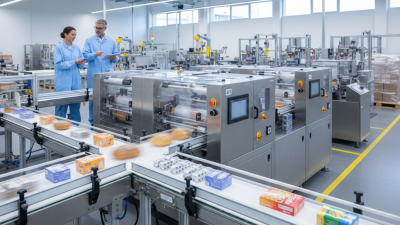
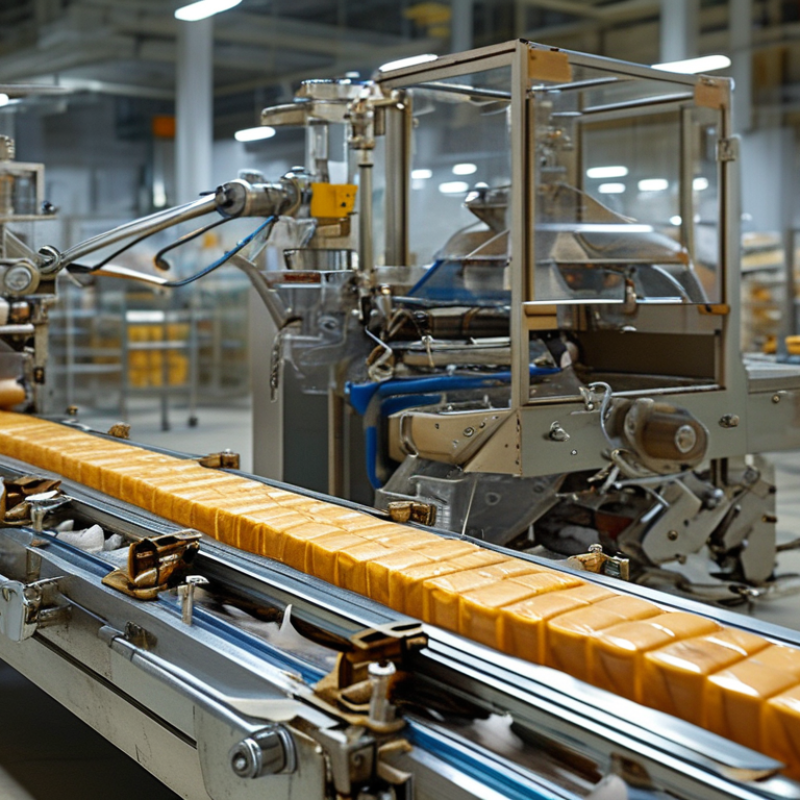
This machine wraps products in a flow of plastic film. It creates a tight seal that ensures freshness and protection. The process typically starts with a feed system that automatically positions items for wrapping. As products move along the conveyor belt, they are met with film that wraps around them. The process is quick, efficient, and reduces human error. Yearly, the demand for such machines increases by approximately 5%, showing their significance in optimizing production.
Tips for choosing a flow wrap machine include assessing the product size and desired wrapping speed. Not every machine suits every product. Some machines may struggle with thicker materials or unevenly shaped items. Regular maintenance is crucial to avoid breakdowns. This ensures longevity and maximum output efficiency. Balancing speed with quality remains a challenge in selection.
What is a Flow Wrap Machine and How Does It Work?
| Dimension |
Description |
| Machine Type |
Automatic Flow Wrap Machine |
| Production Speed |
Up to 300 packs per minute |
| Application |
Packaging of food items, toiletries, and consumer goods |
| Film Type |
Polyethylene, BOPP, or CPP films |
| Sealing Type |
Horizontal sealing with heat or cold seal |
| Control System |
PLC based control with touch screen interface |
| Power Consumption |
Approximately 5 kW |
| Dimensions (L x W x H) |
3000 mm x 800 mm x 1500 mm |
| Weight |
Approximately 800 kg |
Key Components of a Flow Wrap Machine
Flow wrap machines are essential in modern packaging. They produce wrapped products with a continuous flow of material. The key components of these machines include the film feeder, sealing system, and cutting mechanism.
The film feeder is critical for delivering the packing material. It ensures a consistent supply of film, allowing for high-speed operation. Reports indicate that efficient film feeders can improve production rates by up to 20%. The sealing system then securely encloses the product, maintaining freshness. Various types of seals are used, like heat or ultrasonic seals, each having specific applications and limitations.
Finally, the cutting mechanism separates the finished packs. Precision cutting contributes to minimal waste and optimizes the material use. Interestingly, studies show that misaligned cutters can lead to a 5% increase in material waste. This inefficiency highlights the importance of machine calibration and maintenance. The balance between speed and accuracy remains a challenge in this field. Each component's performance directly influences the overall efficiency of the flow wrap machine.
How a Flow Wrap Machine Operates Step by Step
A flow wrap machine is essential for packaging various products. Its operation consists of several clear steps that ensure efficiency. Initially, products are fed into the machine. The alignment is crucial, as uneven placement can lead to packing errors. Once aligned, the products move forward on a conveyor belt.
Next, the wrapping process begins. A flat film is unwound and heated to create a seal. This step requires precision. If the heat is too high, the film may melt. If too low, it won’t seal properly. After sealing, the film envelopes the product, and the machine cuts it to size. This action must be monitored to prevent jamming.
Lastly, wrapped products exit the machine. Quality checks are vital here. Any defective packages are removed for inspection. Operators must regularly maintain the machine to ensure it functions smoothly. Despite its reliability, occasional breakdowns can happen. This highlights the need for routine checks and proper training for staff. Understanding these steps can improve overall efficiency in packaging operations.
Applications of Flow Wrap Machines in Various Industries
Flow wrap machines serve as vital tools across various industries, offering efficient packaging solutions. These machines are designed to wrap products in a continuous flow, ensuring a secure seal while maintaining product integrity. Common applications include food packaging, pharmaceuticals, and consumer goods. In the food industry, they wrap items like snacks, candy bars, and baked goods. The automated process enhances productivity and minimizes human error, crucial for maintaining safety standards.
In pharmaceuticals, flow wrap machines assist in packaging tablets and capsules. This helps protect products from contamination and extends shelf life. Consumer goods, such as cosmetics and toiletries, also benefit from these machines. Their versatility in handling diverse shapes and sizes makes them highly sought after.
Tips: When choosing a flow wrap machine, consider the product’s dimensions. Proper adjustments can ensure optimal performance. Regular maintenance is key. Neglecting this may lead to inefficiencies. Pay attention to sealing quality. An improper seal can compromise product safety. Workers must be trained to handle the machine effectively. Mistakes can cause significant downtime.
Advantages of Using Flow Wrap Machines for Packaging
Flow wrap machines provide several advantages for packaging in various industries. One key benefit lies in their efficiency. They can package products quickly and effectively, ensuring high-speed production. This efficiency reduces labor costs and allows for higher output levels, meeting the demands of fast-paced markets.
Another important advantage is versatility. Flow wrap machines can adapt to different product shapes and sizes. They handle everything from small snacks to larger goods. This flexibility helps manufacturers streamline their operations. Moreover, these machines use various materials, which means they can accommodate diverse packaging requirements.
The consistency in wrapping quality is also worth mentioning. Flow wrapping creates a tight seal that prevents contamination. This feature enhances product shelf life. However, manufacturers need to consider the initial investment and maintenance costs associated with these machines. Ensuring proper training for operators can mitigate potential issues. While flow wrap machines offer significant benefits, continuous assessment is essential for optimal performance in production lines.
Flow Wrap Machine Benefits