What is a Blow Film Extrusion Machine and its Benefits?
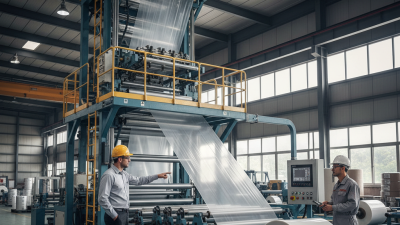
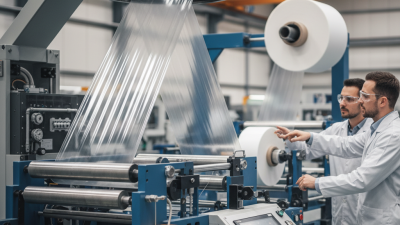
The Blow Film Extrusion Machine is a crucial tool in the manufacturing industry. It produces thin plastic films used in packaging and other applications. This technology involves melting plastic pellets and forming them into tubes. These tubes are then expanded to create flat films. The efficiency of this process has transformed production workflows.
Users benefit from this machine in various ways. It allows for high-speed production and consistent film quality. The versatility of the Blow Film Extrusion Machine caters to diverse needs. However, understanding its operation requires expertise. Key variables, such as temperature and pressure, impact product outcomes.
Despite its advantages, there are challenges in maintaining this equipment. Regular upkeep is essential for peak performance. Users must invest time and resources into training and troubleshooting. While the Blow Film Extrusion Machine offers many benefits, its effective usage demands careful reflection and continual improvement.
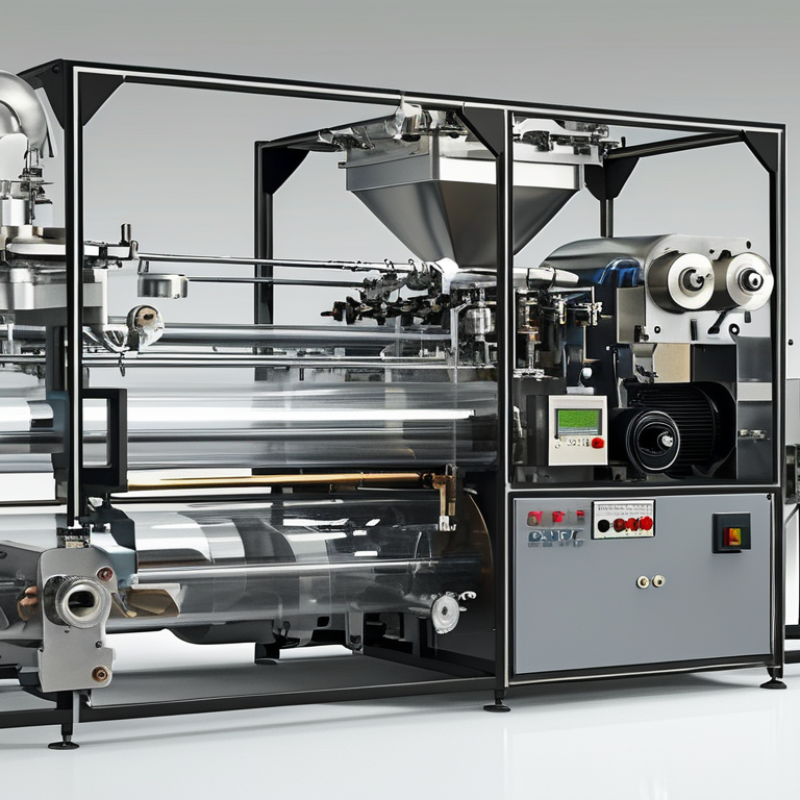
What is a Blow Film Extrusion Machine?
A blow film extrusion machine is essential in the plastic film production process. It combines heat, pressure, and airflow to create thin plastic films used in various applications. This method produces films that are strong, lightweight, and flexible, making them suitable for packaging, agriculture, and construction.
According to a recent industry report, the global blow film extrusion market is projected to grow significantly, reaching approximately $5 billion by 2025. This growth highlights the importance of this technology in meeting increasing packaging demands. The efficiency of these machines also contributes to material conservation. By reducing waste during production, manufacturers can optimize their processes while lowering their environmental impact.
Tips: Regular maintenance of the blow film extrusion machine ensures efficient operation. Inspecting parts for wear can prevent costly downtimes. Furthermore, training operators can enhance the consistency of the product quality, which is key in competitive markets. Focusing on continuous improvement can help manufacturers stay ahead in technology and efficiency.
Blow Film Extrusion Machine Production Capacity
The chart above illustrates the annual production capacity of different types of plastic materials that can be processed using a Blow Film Extrusion Machine. The data represent the production in tons for HDPE, LDPE, LLDPE, PP, and PVC, showcasing the versatile applications and productivity of these machines.
Key Components of a Blow Film Extrusion Machine
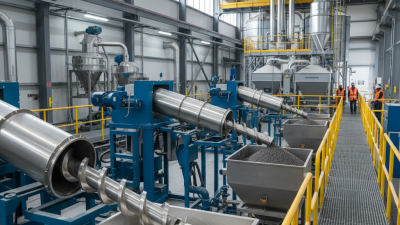
A blow film extrusion machine is crucial in plastic film production. Understanding its key components can enhance efficiency and quality. The machine primarily consists of three essential parts: the extruder, die head, and air ring.
The extruder is responsible for melting and homogenizing plastic materials. Typically, it can process various plastic types, such as LDPE and LLDPE. According to a report by Freedonia Group, the demand for flexible packaging is projected to grow 3% annually through 2024. This growth emphasizes the need for reliable extruder capabilities. The extruder’s efficiency relies on temperature and pressure control, which can vary significantly. Operators must calibrate these settings to avoid defects.
The die head shapes the melted plastic into a tubular form. Its design affects film thickness and uniformity. Poor die design may lead to uneven thickness, resulting in product defects. Industry data suggests that film defects can cost manufacturers up to 5% of their revenue.
Finally, the air ring cools and stabilizes the film. An improperly configured air ring can lead to film distortion. This highlights the importance of understanding each component's role for optimal performance in production environments.
Principle of Operation in Blow Film Extrusion
Blow film extrusion is a widely used process in the packaging industry. The principle of operation in blow film extrusion involves melting plastic resins and transforming them into thin films. This process begins with feeding plastic pellets into an extruder. As the pellets melt, they form a continuous tube. Air is then blown into the tube, creating a bubble. This bubble is cooled and flattened to produce the final film.
Data from industry reports indicate that the global blow film extrusion market is projected to grow significantly. Between 2023 and 2028, the market is expected to expand at a CAGR of over 4%. This growth is fueled by increased demand for flexible packaging solutions. However, the process does present some challenges. For instance, ensuring uniform thickness can be difficult due to variations in temperature and pressure.
Tips: Regular maintenance of the extrusion equipment is essential. Incorrectly calibrated machinery can lead to defects in the film. Monitoring the temperature closely is crucial for maintaining product quality. Training operators is also key to achieving consistent results. A knowledgeable workforce can help mitigate potential issues, ensuring better productivity and product integrity.
Applications of Blow Film Extrusion in Various Industries
Blow film extrusion is widely used in packaging and manufacturing. Its flexibility makes it suitable for various industries, including food, agriculture, and medical sectors. According to a report by Grand View Research, the global market size for blow film extrusion is expected to reach $9.69 billion by 2025, showing significant growth potential.
In the food industry, blow film extrusion creates durable packaging that maintains freshness. It can produce bags, wraps, and films that keep products safe. In agriculture, these films provide effective greenhouse covers and crop protection. A study found that agricultural films can enhance crop yield by up to 10% when properly utilized.
Tip: Ensure you choose the right thickness and material for your films based on application requirements. In medical applications, sterilized films are critical for maintaining hygiene. However, not all applications have optimal film characteristics. It’s essential to regularly review film performance and adapt production processes as needed.
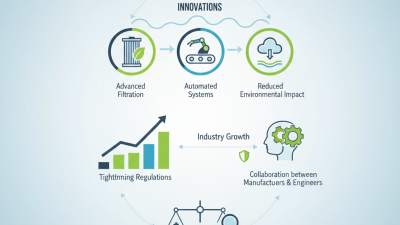
Innovations in technology make blow film extrusion more efficient, leading to energy savings and reduced waste. Yet, the challenge remains to balance cost and quality. Manufacturers must remain agile and responsive to industry changes while meeting customer demands for sustainability and functionality.
Benefits of Using Blow Film Extrusion Machines for Production
Blow film extrusion machines play a pivotal role in modern packaging. These machines produce thin films from polymer materials. According to the Markets and Markets report, the global packaging market is expected to reach $1 trillion by 2024, highlighting the significance of efficient production methods like blow film extrusion.
One key benefit is increased material efficiency. The process minimizes waste during manufacturing, allowing for more output from the same raw materials. Reports suggest that facilities using blow film extrusion can achieve up to 40% more yield compared to traditional methods. This increase aids businesses in reducing costs and improving margins.
Another advantage lies in the versatility of the films produced. Blow films can be tailored for various applications. They are often used in grocery bags, agricultural films, and protective packaging. However, the production process can sometimes lead to inconsistencies in film quality. Manufacturers must regularly check and calibrate their machines to ensure smooth operations. It’s crucial to balance efficiency with quality assurance.
What is a Blow Film Extrusion Machine and its Benefits? - Benefits of Using Blow Film Extrusion Machines for Production
| Feature |
Description |
Benefits |
| Production Efficiency |
Blow film extrusion machines can produce large volumes of film in a short period. |
Increased output reduces manufacturing costs. |
| Material Versatility |
Can handle a variety of plastic materials, including LDPE, HDPE, and LLDPE. |
Flexibility to create different products and meet diverse consumer needs. |
| Quality Control |
Digital controls allow for precise adjustments during production. |
Consistent product quality and reduced waste. |
| Space Efficiency |
Compact design allows for easy integration into existing production lines. |
Optimizes floor space in manufacturing facilities. |
| Operational Safety |
Built with safety features to protect operators during operation. |
Minimizes risk of accidents on the production floor. |