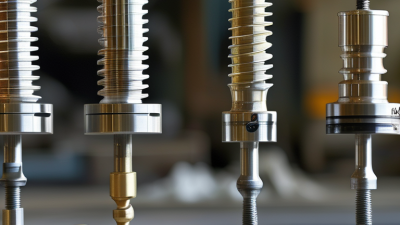
China has become a major manufacturing base for flexible packaging equipment, including the Blown Film Extruder Machine. Its suppliers serve food, medical, agricultural, and industrial film markets worldwide. Yet factory scale alone does not prove machine quality.
Smithers’ global flexible packaging studies identify steady demand for thinner films, recyclable structures, and higher production efficiency. Grand View Research also reports continued growth in the flexible packaging market through this decade. These trends influence extrusion design, energy use, automation, and material compatibility. The numbers look encouraging. They are not the whole story.
This guide examines China’s leading blown film machine manufacturers through practical buying criteria. These include output stability, screw design, die uniformity, temperature control, winding accuracy, and after-sales support. A reliable supplier should provide test-film records, machine specifications, factory evidence, and verifiable customer references. ISO systems may support consistency, but certification alone cannot replace engineering inspection. CE documentation also requires careful verification for the intended market.
CPMIA industry publications and international packaging reports provide useful context for China’s plastics machinery sector. However, supplier rankings remain partly subjective. No ranking is perfect. A low quotation may hide higher energy consumption, weaker components, or limited technical service. Buyers should compare total operating cost, not only purchase price.
The following overview focuses on manufacturers with visible production capability, export experience, and application knowledge. It also considers whether each company can support multilayer films, recycled materials, automatic thickness control, and customized layouts. Some suppliers communicate better than they engineer. That difference matters. Direct trials and documented performance remain essential before any final decision.
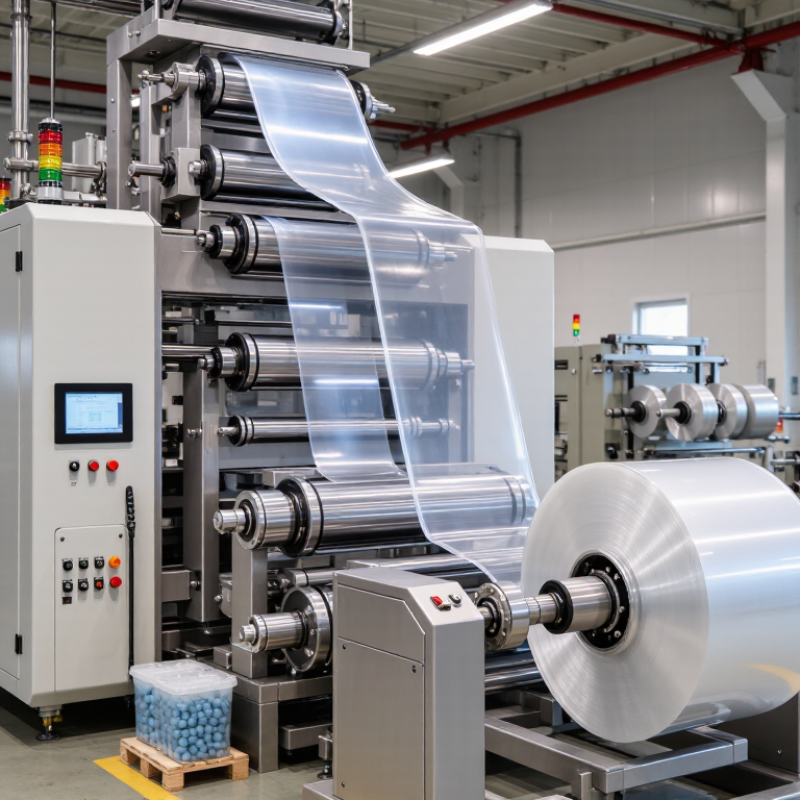
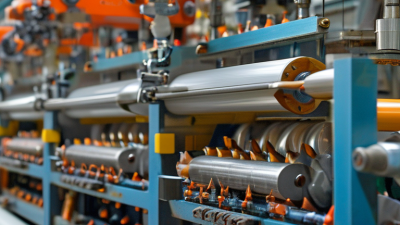
A blown film extruder machine converts plastic resin pellets into thin tubular film. Inside the heated barrel, a rotating screw melts and mixes the resin. The melt then passes through an annular die, forming a continuous tube. Air inflates the tube, while an air ring cools and stabilizes it. Nip rolls flatten the bubble before winding.
This process supports packaging, agricultural film, liners, and industrial sheeting. Plastics production reached about 413.8 million tonnes worldwide in 2023, according to PlasticsEurope’s 2024 industry data. Flexible packaging remains a major film application, while Smithers’ market analysis identifies multilayer structures and downgauging as important technical trends. These trends require accurate temperature control, steady output, and reliable thickness measurement.
Small errors become visible quickly. A weak air ring can create uneven gauge. Poor resin drying may cause bubbles or surface defects. Experienced operators check melt pressure, frost-line height, winding tension, and film width during production. Energy use also deserves attention; a 2023 report from the European Plastics Converters Association links efficiency improvements with better process control and reduced scrap. The figures differ by film type and line design, so they should not replace on-site trials. That limitation matters. A machine that performs well with polyethylene may need different cooling, screw geometry, or die settings for recycled content or higher barrier structures.
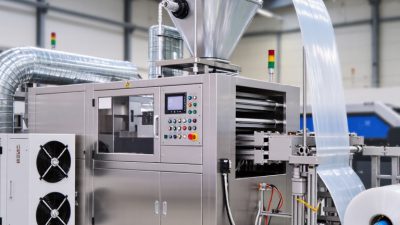
China’s leading blown film extruder machine manufacturers are gaining attention as flexible packaging demand expands. Smithers’ 2024 industry analysis estimates continued growth in global flexible packaging consumption, driven by food, medical, and e-commerce applications. This demand rewards suppliers that can maintain stable output, accurate film thickness, and efficient resin processing.
Factory experience matters more than attractive brochures. Established Chinese manufacturers commonly provide three-layer and five-layer systems, automatic thickness control, gravimetric dosing, and in-line recycling options. According to Grand View Research, automation and lightweight packaging remain important investment trends in film production. Buyers should verify these claims through witnessed trials, not only catalog specifications. Ask for actual output, energy use per kilogram, gauge variation, and start-up waste records.
Details reveal quality. A reliable machine should run steadily through resin changes, hold tension across a wide web, and produce clean winding without edge wrinkles. Service response also deserves careful testing. Spare-part availability, remote diagnostics, and technician training can protect production during a night shift. No supplier is perfect. Some published figures may reflect ideal factory conditions, while real performance depends on resin, operator skill, and film structure. Independent testing is still worthwhile.
China’s blown film extruder manufacturers now supply machines for packaging, agriculture, medical use, and industrial films. Key products include single-layer, ABA, ABC, and five-to-nine-layer coextrusion lines. According to Smithers’ 2024 flexible packaging outlook, Asia remains the largest regional market, supported by strong demand for lightweight films and recyclable structures. This demand is pushing manufacturers toward higher output and tighter process control.
Modern Chinese lines commonly include gravimetric dosing, automatic thickness control, internal bubble cooling, and oscillating haul-off systems. Some configurations produce films from roughly 10 to 200 microns, depending on resin and application. In practical factory trials, these systems can reduce gauge variation and stabilize winding at high speeds. In my experience, the control panel matters as much as the extruder. Poor calibration can waste material quickly. It is an easy detail to underestimate.
Recycling technology is becoming more important. The International Energy Agency reports that recycled plastics still represent a small share of total plastic production, leaving substantial room for improvement. Manufacturers therefore offer machines for PCR blends, regrind processing, and downgauged film production. Energy-saving drives, ceramic heaters, and optimized air rings can lower operating demand, although results depend heavily on operator settings. Some advertised performance figures need careful verification under real production conditions. A factory test using the buyer’s actual resin is more reliable than a brochure.
| Machine Category | Typical Layer Structure | Typical Film Width | Indicative Output Range | Common Materials | Key Technologies Offered | Typical Applications |
|---|---|---|---|---|---|---|
| Standard Single-Layer Blown Film Line | 1 layer | 300–2,000 mm | 20–250 kg/h | LDPE, LLDPE, HDPE, recycled polyolefin blends | Single-screw extrusion, automatic temperature control, air-ring cooling, haul-off and surface winding | Shopping bags, packaging film, agricultural film, general-purpose polyethylene film |
| High-Speed Packaging Film Line | 1 or 3 layers | 800–3,200 mm | 100–500 kg/h | LLDPE, LDPE, mLLDPE, HDPE and blends | High-torque extruder, gravimetric dosing, automatic thickness control, oscillating haul-off, automatic roll change | Stretch hood film, heavy-duty sacks, industrial packaging and pallet wrapping |
| ABA Co-Extrusion Blown Film Line | 3 layers: A/B/A | 600–2,600 mm | 80–450 kg/h | LLDPE, LDPE, HDPE, recycled resin in the core layer | Multi-extruder co-extrusion, recycled-content integration, layer-ratio control, bubble-stability control | Carrier bags, refuse bags, liners and cost-optimized packaging film |
| Three-Layer Co-Extrusion Line | 3 layers: ABC or ABA | 800–4,000 mm | 150–700 kg/h | LDPE, LLDPE, HDPE, mLLDPE, EVA and functional additives | Independent extruders, automatic dosing, die-head temperature control, IBC cooling and thickness monitoring | Food packaging, lamination film, agricultural film and industrial film |
| Five-Layer Co-Extrusion Line | 5 layers: ABCBA or other customized structures | 1,000–6,000 mm | 250–1,000 kg/h | PE resins, adhesive tie layers, EVOH or PA barrier layers, additives | Five-extruder co-extrusion, barrier-layer processing, automatic gauge control, in-line corona treatment and surface winder | High-barrier food packaging, vacuum pouches, meat packaging and chemical packaging |
| Seven-Layer Barrier Film Line | 7 layers with dedicated barrier and tie layers | 1,200–4,000 mm | 300–900 kg/h | PE, PA, EVOH, adhesive resins and specialty sealant materials | Precision feedblock or multi-manifold die, barrier-layer control, melt-pressure monitoring, automatic thickness measurement | High-performance food, medical, pharmaceutical and retort packaging |
| Agricultural Film Extrusion Line | 3 or 5 layers | 4,000–18,000 mm layflat | 250–1,200 kg/h | LDPE, LLDPE, metallocene PE, EVA and light-stabilizer masterbatch | Large-diameter bubble control, internal bubble cooling, automatic dosing, thickness control and high-capacity winding | Greenhouse film, mulch film, silage film and anti-drip agricultural film |
| Recycled-Material Blown Film Line | 1, 3 or 5 layers | 500–3,000 mm | 50–600 kg/h | Post-industrial or post-consumer recycled PE blends with virgin resin | Devolatilization, melt filtration, pressure stabilization, automatic dosing and recycled-content control | Refuse bags, construction film, pallet covers, liners and non-food packaging |
| High-Transparency Film Line | 3 or 5 layers | 800–3,000 mm | 120–600 kg/h | LLDPE, mLLDPE, LDPE and sealant-grade polyethylene | Low-temperature melt processing, optimized die design, precise cooling, anti-block dosing and low-gel filtration | Fresh produce bags, consumer packaging, lamination substrates and transparent liners |
| Heavy-Duty Film Line | 3 or 5 layers | 1,000–4,500 mm | 200–900 kg/h | HDPE, LLDPE, LDPE, mLLDPE and reinforced polyethylene blends | High-load extruder design, robust die head, automatic gauge control, web guiding and heavy-duty winding | Industrial liners, bunker covers, geomembrane-type film and construction packaging |
| Functional Film Line with In-Line Treatment | 3 or 5 layers | 800–3,500 mm | 150–700 kg/h | PE, EVA, adhesive resins and polymer compounds containing functional additives | Corona treatment, surface inspection, automatic thickness control, edge trimming and online defect monitoring | Lamination film, printing substrates, adhesive film and specialty packaging film |
| The specifications above represent common configuration and performance ranges offered in the Chinese blown-film equipment market. Actual width, output, layer structure and auxiliary equipment depend on resin selection, film thickness, die design, cooling method and customization requirements. | ||||||
Selecting a Chinese blown film extruder manufacturer requires more than comparing prices. Plastics Europe reported global plastics production of about 413.8 million tonnes in 2023. Meanwhile, the OECD found that only 9% of plastic waste was recycled in 2019. These figures make energy use, material efficiency, and stable film quality practical purchasing concerns.
Ask for measurable evidence. Request output tests, thickness variation data, energy consumption per kilogram, and commissioning records from similar lines. Check whether the extruder supports your resin mix, film width, layer structure, and target gauge. A serious manufacturer should explain screw design, temperature control, die adjustment, and automatic thickness monitoring in clear technical language. ISO 9001 certification can support process control, but it does not guarantee machine performance. Factory experience matters more than certificates alone.
Tips: Compare complete operating costs, not only the quotation. Include spare parts, installation, training, shipping, and response times. Ask for a live video test using your actual material. Verify calibration records and inspect the electrical cabinet. Speak with recent customers, if possible. I would not trust polished photographs alone. A cheaper line may become expensive after months of unstable output. I have also seen buyers overestimate recycled-material capability without testing contamination and melt strength. Build a written acceptance test before payment, with clear limits for output, thickness variation, and downtime.