Best Bulk Mixer Options for Efficient Mixing Solutions?
In the evolving landscape of manufacturing, efficient mixing solutions are paramount. According to Dr. Emily Carter, a leading expert in the bulk mixing industry, “The right Bulk Mixer can drastically enhance production efficiency.” This statement highlights the importance of selecting the right equipment.
Bulk mixers come in many designs, each tailored for different materials and applications. Some are suited for powders, while others excel with liquids. The choice of a Bulk Mixer can significantly influence operational outcomes. A well-matched mixer not only improves consistency but also minimizes waste. However, not all mixers meet these standards.
Investing in a Bulk Mixer requires careful consideration. Factors such as capacity, mixing speed, and material compatibility must be evaluated. There’s a tendency to overestimate a mixer’s capabilities, leading to operational challenges. Therefore, reflecting on specific needs is crucial for optimal results.
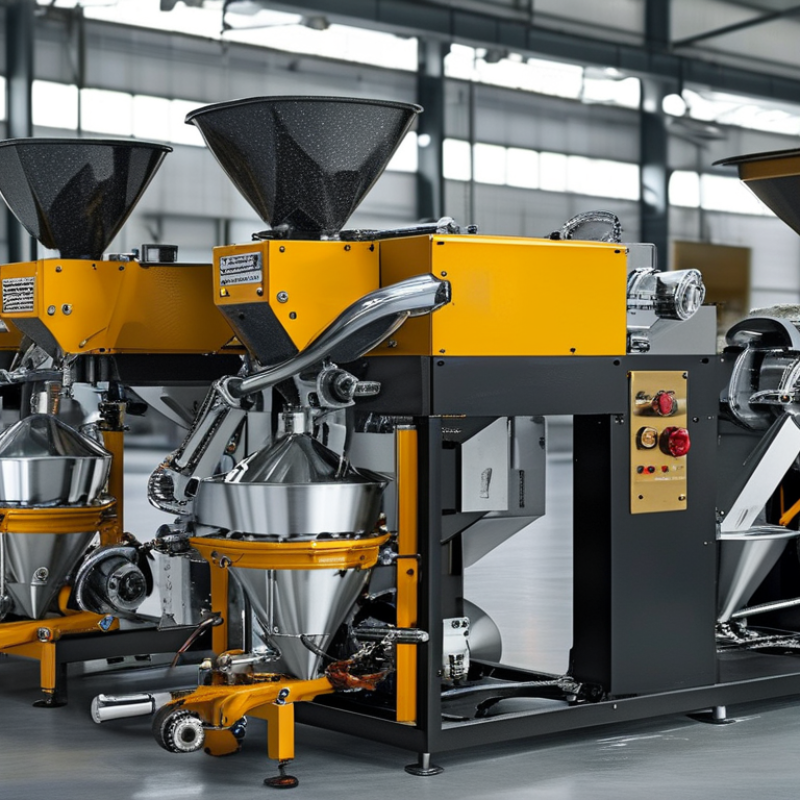
Types of Bulk Mixers: An Overview of Popular Options
When selecting a bulk mixer, understanding the variety of options is crucial. Bulk mixers are essential in industries like food processing, pharmaceuticals, and chemicals. Each type has unique features catered to specific needs. The most common types include ribbon mixers, paddle mixers, and v-blenders.
Ribbon mixers are highly effective for dry blending applications. They utilize a double helical ribbon for efficient mixing of powders. According to industry data, ribbon mixers can achieve homogeneity levels of up to 95% in just a few minutes. This rapid mixing capability is beneficial for increasing productivity. However, they can sometimes struggle with cohesive materials, leading to uneven mixtures.
Paddle mixers, on the other hand, excel in handling thick pastes and heavy materials. Their design allows for gentle mixing, which minimizes product degradation. Reports suggest that paddle mixers can adapt to a variety of materials, achieving a uniform blend within a reasonable time frame. However, their versatility may come at the cost of a larger footprint in a facility. It's vital to consider the available space when choosing this type of mixer.
V-blenders are often favored for their unique shape, which facilitates the blending of powders with different densities. They provide an excellent solution for applications needing gentle movement. Research indicates that this type can offer consistent results, but they may require longer mixing times compared to ribbon mixers. This can be a drawback for operations needing swift processing. Balancing efficiency and thoroughness is key to selecting the right bulk mixer.
Key Features to Consider When Selecting a Bulk Mixer
When choosing a bulk mixer, several key features must be prioritized. The type of materials to be mixed often dictates the mixer design required. Different materials have unique properties, and understanding these can prevent mixing inefficiencies. A well-matched mixer not only improves consistency but also enhances output quality.
Another critical feature is the mixer’s capacity. Assessing production volume is vital. A mixer that is too large can waste energy, while a smaller one may require frequent loading, leading to downtime. Additionally, consider the mixing speed. A versatile mixing speed allows for adjustments based on the material type, ensuring optimal results in various scenarios.
Tips: Always analyze your specific mixing requirements. Conduct trials with potential mixers to assess performance in real-world contexts. Regular maintenance of your mixer can extend its lifespan and improve mixing efficiency. Don't overlook safety features, as they safeguard against potential hazards during operation. Evaluating these factors can lead you to an efficient and reliable mixing solution.
Benefits of Using Bulk Mixers in Industrial Applications
Bulk mixers are essential in various industrial applications. They ensure uniform blending of materials, saving time and improving efficiency. One significant benefit is the ability to handle large volumes of substances. This capability reduces the time required for mixing processes compared to traditional methods. Accurate mixing is crucial in industries like food production and pharmaceuticals, where product consistency affects quality.
Tips for selecting the right bulk mixer include assessing the type of materials to be mixed. Different mixers handle specific densities and viscosities better. Understanding the operational environment also matters. Avoiding excessive noise or dust can lead to a safer work area. Operators should be trained to use the equipment correctly to avoid accidents.
Another benefit of using bulk mixers is minimizing waste. Efficient mixing processes reduce leftover materials. This can lead to substantial cost savings over time. Regular maintenance of the bulk mixer is vital. Ignoring this can lead to breakdowns and costly repairs. Ultimately, evaluating mixing needs can lead to more effective production processes.
Best Bulk Mixer Options for Efficient Mixing Solutions
| Mixer Type |
Capacity (L) |
Mixing Speed (RPM) |
Power (kW) |
Applications |
| Horizontal Ribbon Mixer |
200 |
60 |
5 |
Food, Chemicals |
| V Blender |
150 |
45 |
4 |
Pharmaceuticals |
| Paddle Mixer |
300 |
50 |
7.5 |
Construction, Aggregates |
| Cone Mixer |
100 |
30 |
3 |
Resins, Powders |
| Tumble Mixer |
250 |
40 |
6 |
Food, Pharmaceuticals |
Maintenance Tips for Ensuring Optimal Performance of Bulk Mixers
Maintaining bulk mixers is crucial for optimal performance. Regular inspections can help identify wear and tear. Look for unusual noises or vibrations during operation. These signs might indicate the need for maintenance. Clean mixing chambers diligently to avoid buildup. This can help maintain product quality over time.
Lubrication plays a key role in ensuring smooth functioning. Use the recommended lubricants for the specific parts. Regularly check seals and bearings for signs of damage. Timely replacement can prevent costly downtime. Additionally, ensure that the mixer is correctly calibrated. Incorrect settings can lead to inconsistent mixing results.
Training personnel is essential for safe operations. Ensure that staff understands how to operate mixers properly. Misuse can lead to accidents and equipment damage. Establish a maintenance schedule to track routine tasks. This proactive approach can highlight issues before they escalate. Regular checks contribute to longevity and efficiency.
Comparative Analysis of Top Bulk Mixer Brands on the Market
When selecting a bulk mixer, it’s crucial to understand different brands and their capabilities. Each brand has unique features that address specific mixing needs. Some mixers excel at blending dry materials, while others perform well with liquids. Analyzing the specifications of these mixers helps in choosing the right solution for your business.
**Tips:** Always evaluate the mixing capacity. A larger capacity may not always be better if it compromises efficiency. Consider the material type that will be mixed. Compatibility with various materials can enhance versatility.
Another aspect to factor in is ease of maintenance. A mixer that is complicated to clean or troubleshoot can lead to downtime. Customer support and warranty options also reflect a brand's reliability. Take the time to research user experiences and reviews. Mixed experiences can reveal insights into real-world performance.
**Tips:** Look for user testimonials addressing durability. Some mixers may break down sooner than expected. Prioritize models with a solid track record. A trusted mixer will ultimately save costs in the long run.
Best Bulk Mixer Options for Efficient Mixing Solutions