How to Choose the Right Belt Bucket Elevator for Your Industrial Needs?
Choosing the right Belt Bucket Elevator is crucial for any industrial operation. This decision impacts efficiency, productivity, and overall costs. With various models and configurations available, it can feel overwhelming. Understanding the unique needs of your facility is essential.
A Belt Bucket Elevator transports materials vertically. Factors to consider include capacity, material type, and height requirements. Knowing the weight of the materials is vital. Consider the environmental conditions as well. Some designs may not withstand specific elements.
Many companies face challenges selecting the appropriate model. Misjudging needs can lead to performance issues. It often requires trial and error. Seek advice from experts in the field. Their experience can guide better choices. Investing time in research will pay off in efficiency and reliability.
Understanding the Basics of Belt Bucket Elevators in Industry
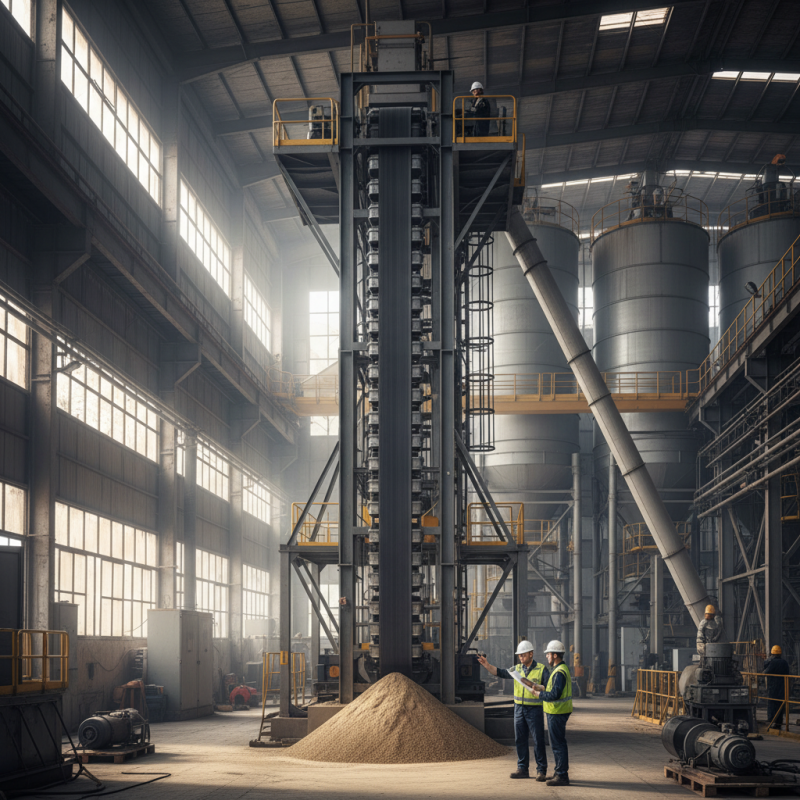
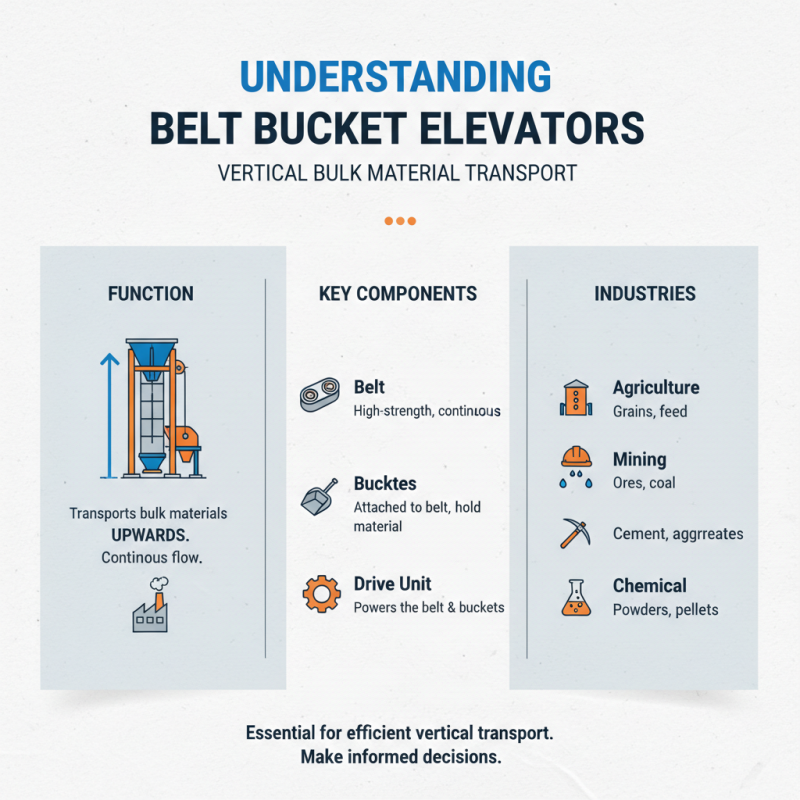
Belt bucket elevators are critical in various industries. They are designed to transport bulk materials vertically. Understanding their basic components and functions is essential for making informed decisions.
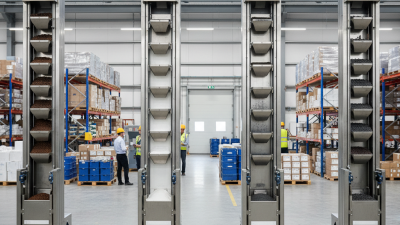
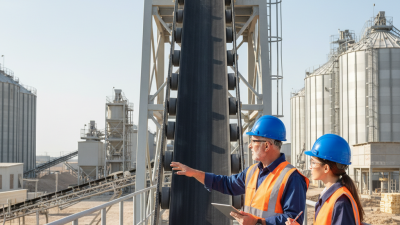
A belt bucket elevator consists of a belt, buckets, and a discharge mechanism. The belt supports the buckets, allowing for the efficient movement of materials. The buckets, typically made from durable materials, are spaced evenly along the belt. They scoop up the material and elevate it to the desired height.
Choosing the right model involves considering several factors, such as material type and handling capacity. Not all elevators handle every material equally well. Some may struggle with very fine powders, while others excel. It's vital to evaluate your specific needs and the characteristics of your materials. An incorrectly chosen model can lead to inefficiencies and potential breakdowns, which can disrupt operations. Reflecting on these details can help avoid costly mistakes.
Identifying Your Specific Material Handling Requirements
When selecting a belt bucket elevator, understanding your specific material handling needs is crucial. Different industries deal with varying types of materials, such as grains, aggregates, or powders. Each of these materials has distinct properties, including weight, size, and flowability. For instance, dealing with fine powders may require a different approach compared to handling large bulk items. Knowing these specifics influences the design and functionality of the elevator.
Consider factors like capacity, speed, and environment. The volume of material you need to move per hour plays a significant role. A high-capacity elevator is essential for large-scale operations. Speed is also a factor; slower speeds may reduce wear but could affect productivity. Additionally, the elevator's environment matters. High-heat or abrasive materials may necessitate specialized components. Reflecting on past experiences in material handling can help identify which aspects are most important for your operation.
Evaluating Different Types of Belt Bucket Elevators Available
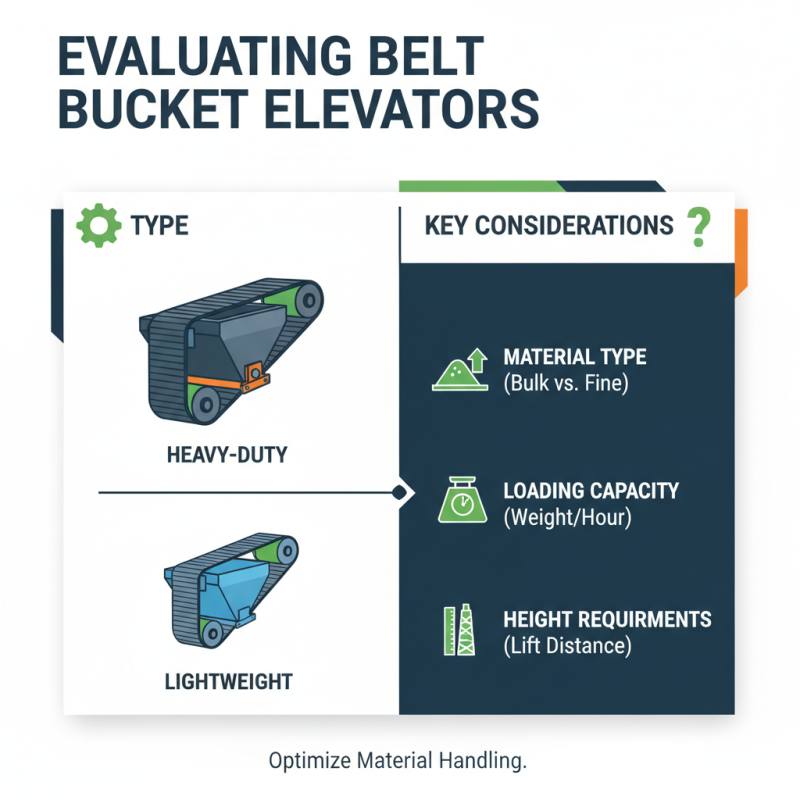
When selecting a belt bucket elevator, understanding the various types available is crucial. Each type serves different needs based on design, application, and material handling. For example, heavy-duty models are designed for bulk materials, while lightweight versions are suitable for finer materials. Consider both the loading capacity and the height requirements of your operation.
Tips: Always assess the environment where the elevator will operate. Factors like temperature and humidity can affect performance.
The design of the buckets matters too. Plastic buckets might be ideal for light materials, whereas metal buckets are better for abrasive materials. Make sure to choose a belt that suits the type of material and its weight. The belt's strength and durability will heavily influence overall efficiency.
Tips: Regular maintenance of the elevator is essential. Inspect belts and buckets routinely to prevent breakdowns.
Thinking about the installation space is another important factor. Ensure you have enough room for both the equipment and the necessary maintenance access. Elevators come in various configurations including vertical and inclined designs. Choose the one that best fits your layout and operational workflow.
Key Features to Consider When Selecting a Belt Bucket Elevator
When selecting a belt bucket elevator for industrial needs, several key features should be considered. The capacity of the elevator is paramount. It should match the volume of material that needs to be transported. A miscalculation could lead to operational inefficiencies. Additionally, consider the height of elevation. Higher lifts require robust design to ensure safety and reliability.
Material selection for the buckets is crucial. Depending on the material being handled, different bucket designs may be more effective. For example, abrasive materials may require a bucket with stronger materials to prevent wear. The belt type is also significant. A durable belt will reduce maintenance costs over time, but it should also be flexible enough to navigate complex layouts.
Customizability is important too. Some operations may require specific sizes or materials for unique applications. Not all standard models will fit, which can lead to mismatch issues. Pay attention to the installation process as well. Complex setups can increase both time and costs. Regularly assess how the chosen model performs under your operational conditions. This reflection can drive improvements in productivity and efficiency over time.
How to Choose the Right Belt Bucket Elevator for Your Industrial Needs? - Key Features to Consider When Selecting a Belt Bucket Elevator
| Feature |
Importance |
Considerations |
Specifications |
| Capacity |
High |
Match the capacity with your application needs. |
500-5000 BPH |
| Material |
Medium |
Choose materials that withstand your material type. |
Carbon Steel, Stainless Steel |
| Drive Type |
High |
Consider belt drive versus chain drive. |
Belt Drive, Chain Drive |
| Speed |
Medium |
Balance between speed and material handling. |
0.5-2 m/s |
| Bucket Design |
High |
Shape and size affect material flow. |
Standard, Custom |
| Height |
Medium |
Ensure it fits your facility layout. |
Up to 50 ft |
| Maintenance Requirements |
High |
Assess frequency and ease of maintenance. |
Regular, Minimal |
Assessing Installation and Maintenance Needs for Long-Term Use
When selecting a belt bucket elevator, installation and maintenance are crucial aspects. Proper installation ensures efficient performance and longevity. A poorly installed elevator may lead to material spillage or operational failures. According to industry data, up to 25% of downtime in manufacturing stems from maintenance-related issues. This highlights the need for proper planning and expertise during installation.
Routine maintenance is equally important for long-term use. Regular inspections can help identify wear and tear before major failures occur. The Conveyor Equipment Manufacturers Association (CEMA) recommends inspecting key components every six months. If neglected, issues can escalate, leading to costly repairs. Operators should keep a detailed maintenance log to track the performance history and spot trends.
Choosing the right components can influence the maintenance needs of your belt bucket elevator. Upgrading to higher-quality materials may reduce maintenance frequency. However, initial costs may be higher. Balancing upfront investment with expected maintenance costs is essential. Sometimes, lower-quality components seem appealing, but they can lead to unexpected downtime. A thoughtful approach to installation and maintenance ensures reliability and stability in operations.