2026 Top Trends in Belt Bucket Elevator Innovations and Applications?
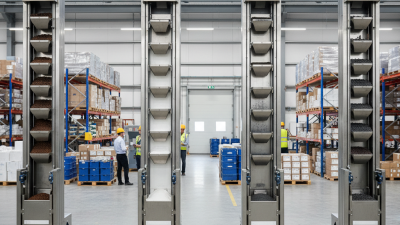
The Belt Bucket Elevator continues to be a crucial technology in various industries. Its ability to efficiently transport bulk materials plays a vital role in optimizing production processes. According to a recent market analysis, the global market for Belt Bucket Elevators is projected to reach USD 3 billion by 2026, driven by advancements in design and engineering.
Innovations are shaping the future of Belt Bucket Elevators. Industry leaders are integrating smart technology for real-time monitoring and predictive maintenance. This not only reduces downtime but also enhances operational efficiency. Despite these advancements, some industries still rely on outdated systems. This can lead to inefficiencies and increased operational costs.
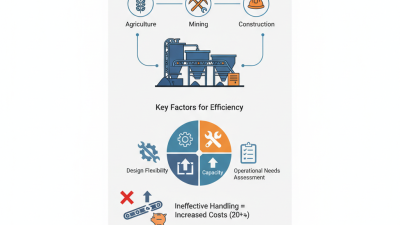
The applications of Belt Bucket Elevators span multiple sectors, including agriculture, mining, and manufacturing. Companies must adapt to changing demands and improve material handling. Improvements in energy efficiency and safety standards are essential. Balancing innovation with reliability is key as industries evolve. The trends emerging in 2026 will reflect the need for sustainability and adaptation in this ever-changing landscape.
Emerging Technologies in Belt Bucket Elevator Design for 2026
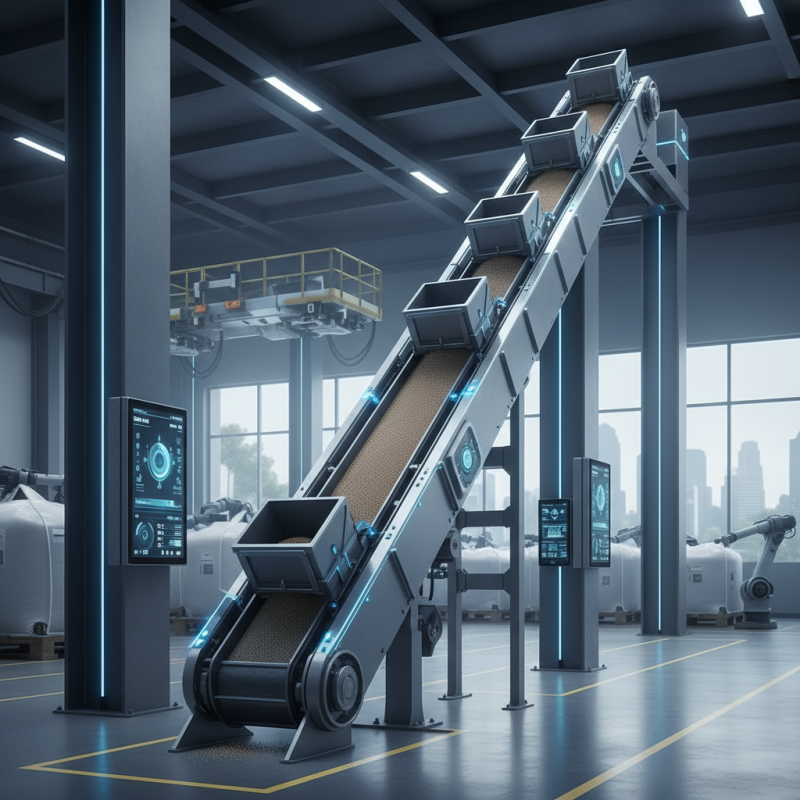
In 2026, innovations in belt bucket elevator design are set to reshape material handling. Emerging technologies promise increased efficiency and adaptability. One exciting trend is the implementation of smart sensors. These sensors can monitor performance in real-time, predicting maintenance needs and reducing unexpected downtimes. This predictive approach enhances reliability significantly.
Another key trend is the development of modular designs. Modular systems allow for easy upgrades and customization, catering to various industry requirements. This flexibility supports scalability in operations. Moreover, lightweight materials are being adopted. They not only improve energy efficiency but also ease the overall installation process.
Tips: When selecting a belt bucket elevator, consider monitoring needs. Opt for systems that allow integration with existing technologies. Always assess your material type to ensure compatibility with various designs. A small miscalculation can lead to inefficiencies. Keep evaluating the upgrade potential as your operations grow.
Innovative Materials Enhancing Belt Durability and Performance
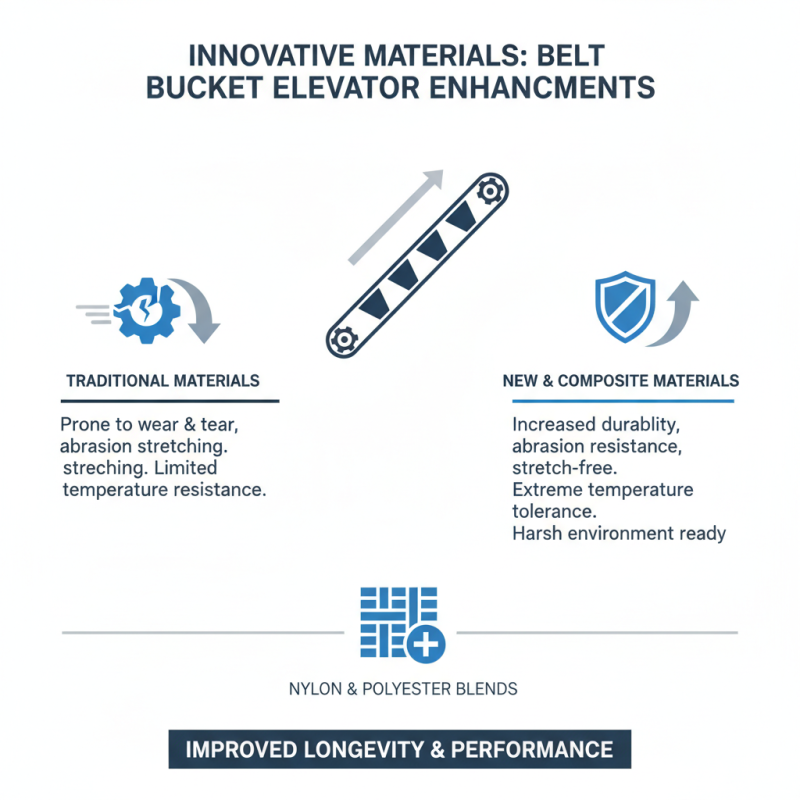
Innovative materials are reshaping the future of belt bucket elevators. These advancements aim to enhance both durability and performance. Traditional materials often succumb to wear and tear under heavy usage. New compounds are being developed to resist abrasion and stretching, improving longevity. The use of composite materials, like nylon and polyester blends, shows promise. These materials can withstand extreme temperatures and harsh environmental conditions, offering robustness.
Another exciting trend lies in the introduction of specialized coatings. These coatings can create a frictionless surface, reducing wear and improving energy efficiency. Some coatings also provide resistance to chemicals and moisture, further extending the life span of elevators. However, these innovations do come with challenges. The cost of new materials may be higher than traditional options. Manufacturers must assess the trade-offs between cost and longevity.
It is essential to continuously evaluate these materials in real-world applications. Regular testing and feedback will ensure they meet industry standards. While innovations are promising, real-world performance can vary. A careful approach to training and implementation is often needed to maximize benefits. The journey towards perfecting these materials is ongoing, yet the potential is clear.
Advancements in Automation and Control Systems for Elevators
The future of belt bucket elevators lies in advancements in automation and control systems. These innovations enhance efficiency and precision in material handling. Sophisticated sensors and real-time monitoring allow for better performance tracking. Automation minimizes manual intervention, reducing labor costs and errors.
A key element of this evolution is the integration of Internet of Things (IoT) technology. IoT-enabled systems provide insights into operational metrics and predictive maintenance. This reduces unexpected downtimes and costly repairs. However, the complexity of these systems can pose a challenge. Training personnel to adapt to advanced systems requires time and resources. There's a risk of initial implementation glitches impacting productivity.
Moreover, developing reliable algorithms to optimize performance can be tricky. Data overload might lead to analysis paralysis, making it hard to derive actionable insights. Despite these hurdles, the momentum towards a fully automated future is strong. Industry players are investing in research to ensure these innovations are both practical and effective. Embracing these shifts will be crucial for competitiveness in the market.
2026 Top Trends in Belt Bucket Elevator Innovations and Applications
| Trend |
Description |
Advantages |
Applications |
| Smart Sensors |
Integration of IoT devices to monitor performance and predict maintenance needs. |
Reduced downtime, enhanced efficiency, and proactive maintenance. |
Manufacturing, food processing, and logistics. |
| Energy Efficiency Enhancements |
Utilization of energy-efficient motors and drives to decrease power consumption. |
Lower operational costs and reduced carbon footprint. |
Warehouse management, bulk material handling. |
| Advanced Control Systems |
Implementation of advanced PLC and HMI systems for improved control. |
Enhanced reliability and ease of use. |
Mining, construction, and agriculture. |
| Modular Designs |
Flexible design allowing easy upgrades and customization. |
Increased adaptability to changing business needs. |
Food production, pharmaceutical sectors. |
| Remote Monitoring |
Use of cloud-based solutions for remote tracking of elevator performance. |
Accessible data analytics and performance insights. |
Logistics, supply chain management. |
Sustainability Trends Influencing Belt Bucket Elevator Manufacturing
Sustainability is reshaping the belt bucket elevator manufacturing industry. Reports indicate that around 75% of manufacturers are now prioritizing eco-friendly practices. This shift is driven by both regulatory pressures and a growing consumer demand for environmentally responsible products. As energy efficiency becomes a focal point, many manufacturers are adopting more sustainable materials and energy-saving technologies.
The implementation of recyclable components has increased significantly. Studies show that elevators designed with recycled materials can reduce a company’s carbon footprint by nearly 30%. Moreover, integrating advanced sensor technology into elevators promotes real-time monitoring of operations, optimizing performance and enhancing energy efficiency. However, the transition to sustainable manufacturing is not without its challenges. Many companies face higher initial costs and technical obstacles in updating old systems to meet new standards.
A sector report highlighted that investment in sustainable innovations could lead to long-term savings. Over the next few years, approximately 40% of expenditures in manufacturing are expected to focus on sustainability-related upgrades. As companies navigate these changes, they must ponder how to balance economic viability with ecological responsibility. Improved education and collaboration within the industry will be crucial for overcoming these hurdles and embracing a sustainable future.
Applications of Belt Bucket Elevators Across Various Industries in 2026
As belt bucket elevators are widely adopted across various industries, their applications continue to evolve. In agriculture, these elevators effectively transport grains and seeds. They minimize spillage during loading and ensure efficient movement from one point to another. This is crucial for optimizing productivity during harvest seasons. Elevators must adapt to varying moisture levels and material types, which can be challenging.
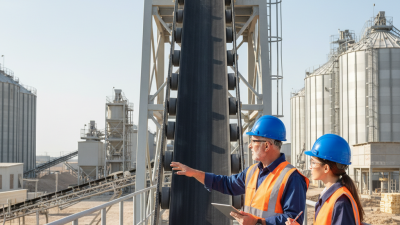
In manufacturing, belt bucket elevators are pivotal for bulk material handling. Industries like cement and mining rely heavily on them. They facilitate the swift movement of raw materials, helping streamline production processes. However, the wear and tear on belts remains a concern. Research is ongoing to develop more durable materials that can withstand abrasive conditions.
Food processing is another critical area where these elevators are making an impact. They must meet stringent hygiene standards while ensuring the safe transport of ingredients. The challenge lies in preventing contamination while maintaining efficiency. Continuous improvements in design, such as easy-clean features, are gaining traction but still face hurdles in practical implementation.
2026 Trends in Belt Bucket Elevator Applications Across Industries