Best Flow Wrap Machine in 2026?
Choosing the Best Flow Wrap Machine in 2026 is less about chasing the fastest advertised speed and more about finding a reliable match for your product. A compact snack bar, a tray of baked goods, and a fragile medical component place different demands on film handling, sealing, and changeovers. On a real line, even a small wrinkle near the end seal can create waste. Small details matter.
Packaging engineer Alex Morgan puts the selection principle this way: “A good Flow Wrap Machine protects the product and keeps the line moving—not just the speed display impressive.” Treat that as a practical guide, not a substitute for a verified, machine-specific performance test. Ask suppliers to demonstrate your actual product, film, and target pack size. Watch the seals. Time a format change. Check how easily an operator can reach the film path and clean the product-contact areas.
This guide compares the features that shape everyday performance, including horizontal wrapping design, sealing consistency, controls, footprint, and service support. It also considers the less glamorous costs: film waste, downtime, spare parts, and training. A machine can look excellent in a brochure and still frustrate operators during a rushed changeover. That deserves a second look. No single model suits every facility, and published speed figures rarely tell the whole story. Use the comparison to build a shortlist, then confirm the details with your own products and operating conditions.
What a Flow Wrap Machine Is and How It Works
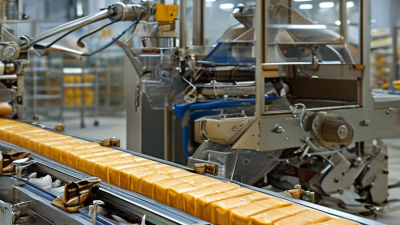
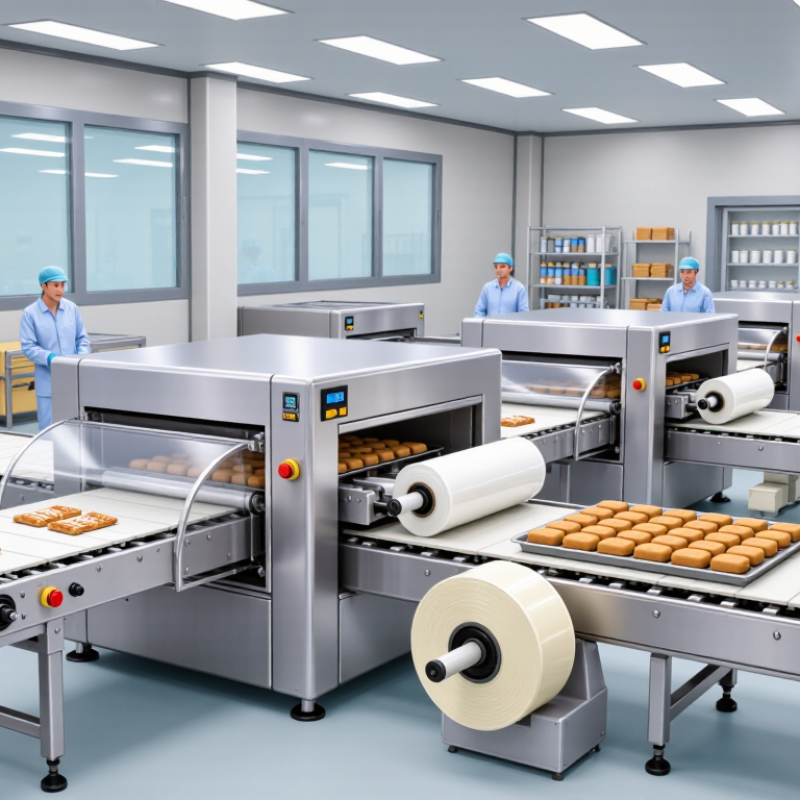
A flow wrap machine packages individual products in a continuous sheet of flexible film. It is also called a horizontal form-fill-seal machine because products typically move through it horizontally. A conveyor carries each item toward a forming box, where film folds around it into a tube. A heated fin-seal unit joins the film edges underneath or behind the product. That is the basic sequence.
Next, rotating or reciprocating jaws seal the film across the package ends and cut between items. The result is a sealed pillow-shaped pack. Sensors help track film markings and coordinate cutting, while temperature, pressure, and belt speed affect seal quality. Small changes matter. A seal can look neat but still fail if the settings, film, or product spacing are wrong.
These machines are common for items such as biscuits, snack bars, soap, and small household goods. Their suitability depends on product size, required output, film type, and how the item behaves on the conveyor. A soft pastry may need gentler handling than a firm bar. Setup can take adjustment, and not every first run is clean; that part is easy to underestimate. When comparing machines in 2026, ask for trials using your actual product and packaging film, then inspect seals and cut position across a sustained run.
Key Components and Packaging Capabilities
Best Flow Wrap Machine in 2026?
Key Components and Packaging Capabilities
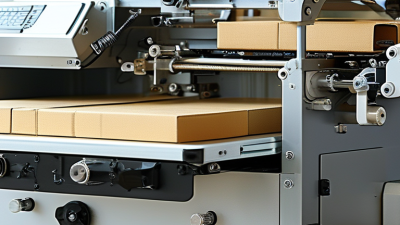
A flow wrap machine is only as capable as the parts that control film, product timing, and sealing. The forming box shapes the film around each item, while the feed conveyor keeps products spaced consistently. Sealing jaws create end seals, and the fin seal closes the film along the package’s length. Servo-driven controls can coordinate these movements and support repeatable pack sizes. An eye-mark sensor helps align printed film, reducing misplaced graphics and cut marks. Together, these components affect speed, package appearance, and changeover time. A tidy specification sheet can still hide awkward adjustments on a busy production floor.
Tips: Test your actual product and film before choosing a machine. Check seal quality, spacing, and changeover steps during a run, not just at top speed. Small details matter.
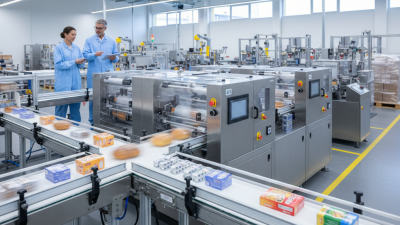
Packaging capabilities vary with product shape, film type, and line layout. Many machines handle bakery items, bars, hardware, or other individual products, but delicate goods may need gentler infeed handling. Ask how quickly operators can adjust guides, temperature, and cutting length for different formats. Inspect finished packs for wrinkles, weak seals, and product movement after cooling. Be realistic about output targets: frequent stops or manual loading can reduce actual throughput. One point is easy to overlook: a faster wrapper may create more work downstream if cartons cannot keep pace.
Types of Flow Wrap Machines Available in 2026
Horizontal flow wrappers form a film tube around products, then seal both ends. They suit bars, biscuits, medical supplies, and other items that travel neatly along a conveyor. Some models run continuously for higher throughput; intermittent-motion machines pause during forming and sealing. That pause can help with delicate products, but it may limit output. Small details matter.
End-seal systems also differ. Rotary jaws seal quickly, while box-motion jaws follow the film and can provide longer sealing contact. For thicker or heat-sensitive films, that extra dwell time may improve seal consistency. Servo-driven machines allow operators to adjust timing and product spacing, though setup still requires testing with the actual film and product. A quoted speed alone can mislead.
Market data gives useful context, not a machine-buying answer. The Flexible Packaging Association reported U.S. flexible-packaging industry sales of $42.9 billion in 2023 in its 2024 industry report. Grand View Research estimated the global flexible-packaging market at $261.8 billion in 2022 and forecast $373.3 billion by 2030. These figures describe packaging markets, not flow-wrapper sales. For a 2026 purchase, compare changeover time, seal quality, film compatibility, and cleaning access. Run product trials. Real production can be less tidy than a brochure suggests.
Best Flow Wrap Machine in 2026? Types of Flow Wrap Machines Available
Compare typical operating-speed ranges by motion style. Actual output depends on product size, film, sealing requirements, and machine configuration.
Ranges are indicative planning estimates, not guaranteed machine specifications or a manufacturer comparison.