How to Choose the Best Flow Wrap Machine for Your Business?
Choosing the right Flow Wrap Machine is crucial for your business's success. This decision can significantly impact your production efficiency and product presentation. Many factors come into play, including speed, size, and the type of products you plan to package.
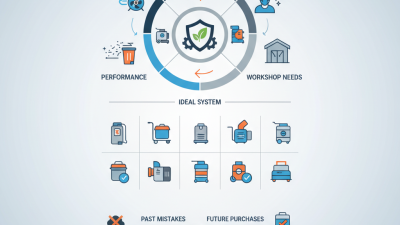
An ideal Flow Wrap Machine should not only meet your current needs but also adapt to future demands. Consider the machine's versatility. Can it handle various types of packaging materials? Is it easy to operate and maintain? These questions are vital in ensuring long-term satisfaction and reliability.
Sometimes, businesses rush this choice, leading to regrettable mistakes later. Investing time to research and compare options pays off. Evaluating specific features and user feedback can guide you to make a well-informed decision. In the end, the perfect Flow Wrap Machine will streamline your operations and enhance your product's market appeal.
Understanding the Basics of Flow Wrap Machines
Flow wrap machines are critical for packaging various products efficiently. Understanding their basics helps businesses make informed decisions. These machines use a flexible film to create a sealed package, offering excellent protection against contamination and extending shelf life. According to industry reports, the global flow pack packaging market is projected to grow by 4.8% from 2022 to 2030, emphasizing their importance in sectors like food and consumer goods.
When choosing a flow wrap machine, it’s essential to consider factors such as speed, film compatibility, and product dimensions. Many modern machines can operate at speeds exceeding 200 packages per minute. However, operators may encounter challenges adjusting settings for diverse products. It can take time to achieve optimal packaging results. Continuous training is essential to ensure staff are skilled in operating these machines.
Additionally, not all machines are equally capable. Some may struggle with thinner films or specific product shapes. Incomplete sealing can lead to waste and increased costs. Business owners should assess their specific needs and may require third-party expertise to choose the right machine. Trade shows and industry webinars often provide insights into technology advancements. Engaging with such resources can enhance decision-making and improve packaging quality.
Evaluating Your Business Needs for Packaging Solutions
When selecting a flow wrap machine, understanding your business needs is crucial. Consider your product type and size. Is it fragile or heavy? Will it need protective packaging? The answers will shape your decision. Having precise expectations can prevent future issues.
Next, assess your production volume. Are you a small operation or a large manufacturer? High-speed machines are available, but they may not suit every business. Balance cost and efficiency. A machine that is too fast for your needs can lead to waste and frustration.
Evaluate the flexibility of the machine. Can it handle various products? Some machines offer quick adjustments, while others may take longer. This can impact your operation's productivity. Look for user-friendly designs, too. Complex setups can slow down your team. It's vital to choose a machine that fits seamlessly within your workflow.
How to Choose the Best Flow Wrap Machine for Your Business?
| Feature |
Description |
Importance Level |
Estimated Cost |
| Production Speed |
Measures the number of packages produced per minute. |
High |
$10,000 - $30,000 |
| Machine Width |
The width of the film that the machine can accommodate. |
Medium |
$5,000 - $15,000 |
| Product Type |
The categories of products suitable for flow wrapping. |
High |
Varies |
| Ease of Use |
User-friendliness of the control panel and settings. |
Medium |
$3,000 - $7,000 |
| Maintenance Requirements |
Frequency and complexity of maintenance needed. |
High |
$1,000 - $5,000/year |
| Warranty and Support |
Length and coverage of warranty, availability of support. |
High |
Included in cost |
Key Features to Look for in a Flow Wrap Machine
When selecting a flow wrap machine, certain key features are essential for ensuring optimal performance. Precision control is critical. Machines should offer adjustable speed settings. According to industry reports, machines with variable speed drives enhance production efficiency by up to 20%. This flexibility allows businesses to meet varying demand levels without compromising quality.
The reliability of a flow wrap machine plays a significant role in operational success. Regular maintenance is essential to avoid unexpected breakdowns. Research indicates that preventive maintenance can reduce downtimes by 25%. A robust build quality should not be overlooked too. Look for machines made from durable materials that can withstand daily use. Less frequent breakdowns lead to increased profitability over time.
Consider the ease of operation and setup. Machines should allow quick changeovers between product types. A study highlighted that user-friendly interfaces can decrease training time by 30%. This efficiency means staff can operate machines with minimal training. In a fast-paced environment, this adaptability is invaluable. Investing in a machine that emphasizes these features can prove beneficial for your production line.
Comparing Different Flow Wrap Machine Models
When comparing different flow wrap machine models, consider key features that impact your production. Speed, versatility, and ease of operation are crucial. Some machines excel in speed, while others offer flexibility for various packaging types. Identify your business needs before making a decision.
Tips: Focus on the machine's speed. A faster machine may increase production rates but could complicate operations. Ensure your team can handle quick cycles without sacrificing quality.
Evaluate the control systems on models. Some machines have advanced interfaces, while others might require more hands-on adjustments. Don’t underestimate the learning curve for your staff, as a more complex system may slow down initial operations.
Finally, consider the support and warranty options provided by manufacturers. A strong support system is vital, especially when challenges arise. This can save you time and resources in the long run. Choose a model that maintains reliability, even if it means sacrificing some advanced features.
Comparing Flow Wrap Machine Models
Assessing Budget and Cost-Effectiveness for Your Purchase
When investing in a flow wrap machine, assessing your budget is crucial. The average cost can range from $25,000 to over $100,000, depending on the machine's capabilities. Industry reports indicate that businesses often underestimate ongoing operational costs, such as maintenance and labor. According to a 2022 market research report, around 70% of manufacturers see operational inefficiencies due to improper budgeting.
It’s important to consider the cost-effectiveness of any equipment. A quality flow wrap machine can increase production efficiency by 30% or more. However, if the machine is not suitable for your specific products, it could lead to increased waste. This was highlighted in a study by the Packaging Machinery Manufacturers Institute, stating that the wrong choice can effectively double your production costs in the long term.
Investing in a machine that fits your business model may require deeper analysis. Sometimes, cheaper machines offer lower output quality, leading to product returns. Businesses must reflect on their needs and production goals. The balance between budget and machine performance should be a primary focus to avoid common pitfalls in purchasing decisions.