Top 10 Belt Bucket Elevator Manufacturers for Global Buyers?
In the industrial sector, the Belt Bucket Elevator plays a vital role in material handling and processing. Many companies rely on this equipment for efficient transportation of bulk materials. The demand for high-quality Belt Bucket Elevators has led to the rise of numerous manufacturers globally.
Choosing the right manufacturer can be daunting. Buyers face various options, each claiming unique benefits. It is essential to consider reliability, expertise, and customer feedback. Companies that excel in creating durable and efficient Belt Bucket Elevators often gain a competitive edge.
This article highlights the top 10 Belt Bucket Elevator manufacturers, showcasing their strengths and innovations. By examining these leaders in the industry, buyers can make more informed decisions. These insights can simplify the selection process, enabling companies to enhance their operations with quality equipment.
Top Belt Bucket Elevator Manufacturers: An Overview of Market Leaders
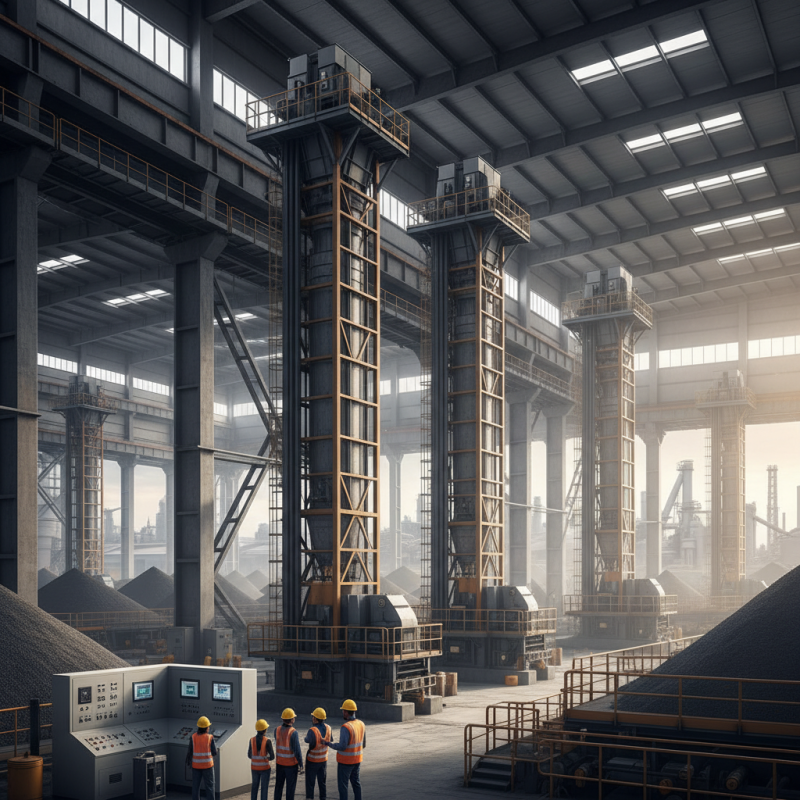
Belt bucket elevators play a crucial role in various industries, serving as essential equipment for material handling. These elevators are designed to lift bulk materials efficiently, making them a preferred choice in sectors like agriculture, mining, and manufacturing. Major manufacturers in this field focus on innovation and reliability, ensuring that their products cater to diverse operational needs.
Market leaders in the belt bucket elevator segment emphasize quality and durability. They often utilize advanced materials and engineering techniques to enhance the performance of their systems. However, some manufacturers face challenges in maintaining uniformity in product standards, which can lead to variability in performance. This inconsistency can impact client trust and operational efficiency.
Customer feedback is vital for these manufacturers. It provides insights into user experiences, helping refine design and functionality. Some brands, despite having a strong market presence, need to actively address issues raised by their clients. Continuous improvement efforts based on real-life application can set apart a leading manufacturer in this competitive landscape. Properly addressing these challenges can significantly enhance market standing and customer loyalty.
Global Market Share Analysis of Belt Bucket Elevator Manufacturers
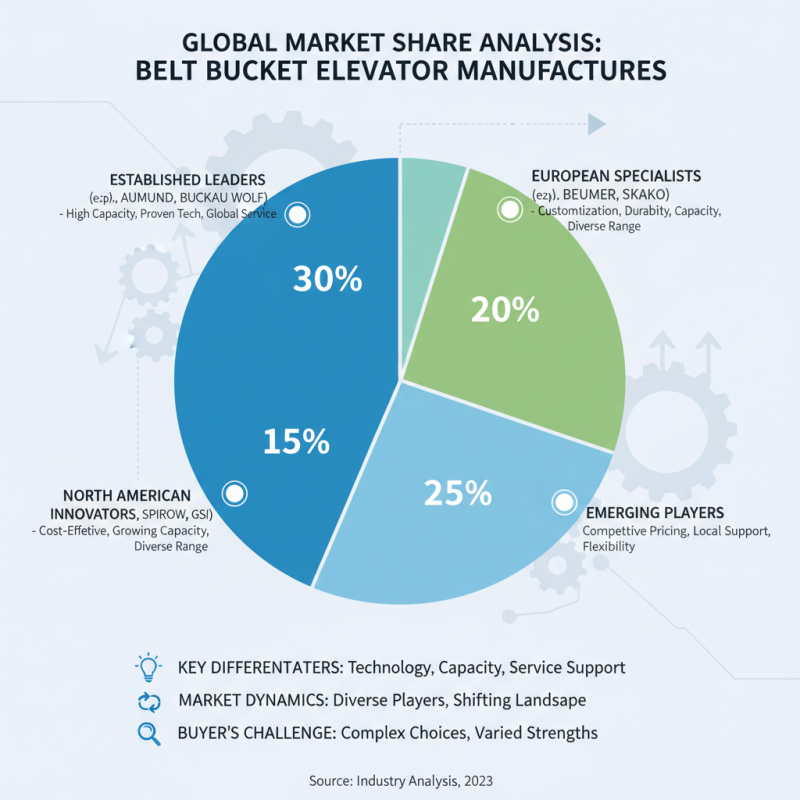
The global belt bucket elevator market is characterized by diverse manufacturers, each vying for market share. Analyzing this space reveals a mix of established companies and emerging players. Each manufacturer presents different strengths and weaknesses in technology, capacity, and service support. This landscape complicates buyer choices.
Data reflects that major players dominate significant market segments. However, newer entrants innovate rapidly, often addressing niche applications. This trend causes shifts in market dynamics, making adaptability crucial. Some manufacturers are well-regarded for reliability, but others struggle to meet consistent performance standards.
Looking closely, buyers face challenges in identifying the right fit among countless options. Each manufacturer may promise efficiency, but real-world results can vary. Frequent changes in technology and increasing demand for customization add layers of complexity. Buyers must weigh performance, cost, and support carefully.
Key Factors Driving Growth in Belt Bucket Elevator Industry
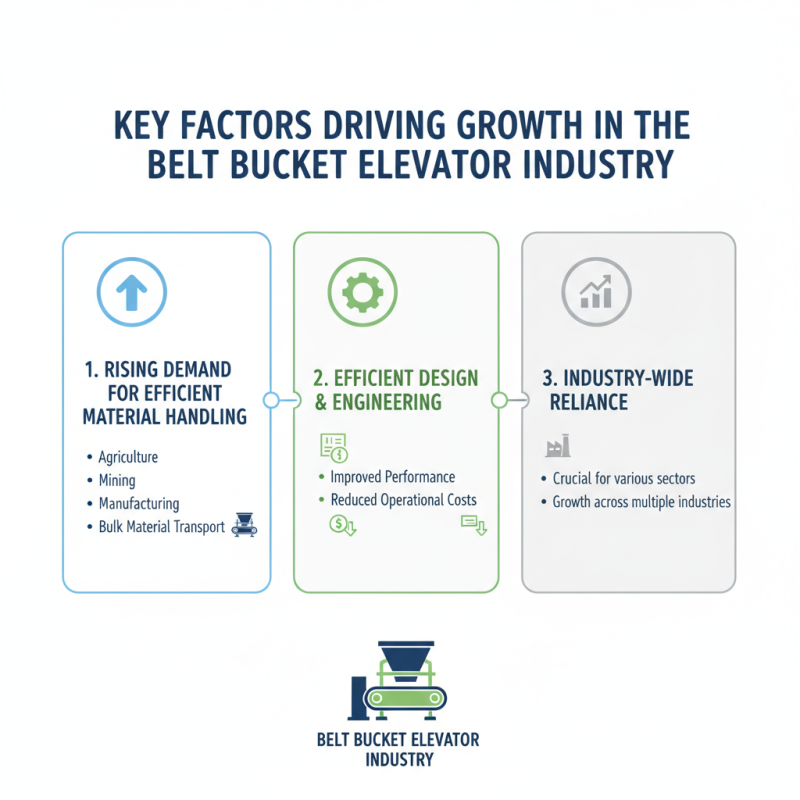
The belt bucket elevator industry is experiencing significant growth due to several key factors. Firstly, the rising demand for efficient material handling solutions is evident across various sectors. Industries like agriculture, mining, and manufacturing rely on these elevators to transport bulk materials. Efficient design and engineering are crucial in improving performance and reducing operational costs.
Technological advancements also play a vital role. Automation and innovative materials enhance the durability and efficiency of belt bucket elevators. Manufacturers are exploring smarter controls and sensors, which provide real-time data. This not only improves efficiency but also enhances safety in operations. However, the need to balance automation with skilled labor remains a challenge.
Sustainability is another driving force. Companies are increasingly seeking environmentally friendly solutions. The integration of energy-efficient technologies is essential. It helps in lowering emissions and energy consumption. Yet, this transition can pose difficulties for some manufacturers. They often grapple with the costs associated with new technologies. The evolving landscape demands constant adaptation and innovation to stay competitive.
Technological Innovations in Belt Bucket Elevators: A Comparative Study
Belt bucket elevators play a crucial role in industrial material handling. They facilitate the vertical transport of bulk materials efficiently. Recent advancements in technology have revolutionized their design and functionality.
One significant innovation is the use of advanced materials. Many manufacturers are now using lightweight, durable composites. These upgrades improve energy efficiency by reducing the overall weight of the elevators. According to industry reports, energy savings can reach up to 20% with these new designs. Additionally, smart sensors are being integrated into these systems. They enhance monitoring capabilities, allowing for real-time data collection on performance metrics.
However, despite these advancements, challenges remain. Maintenance costs can escalate due to complex designs. Some elevators experience increased wear and tear under heavy loads, leading to potential operational disruptions. Industry statistics indicate that unscheduled downtime can cost facilities up to $250,000 per hour. Recognizing these issues is vital for continuous improvement in the sector. Companies are encouraged to balance innovation with practicality to ensure long-term reliability.
Top 10 Belt Bucket Elevator Manufacturers for Global Buyers
| Manufacturer |
Country |
Max Capacity (tons/hour) |
Belt Material |
Technological Innovation |
Warranty (years) |
| Company A |
USA |
150 |
Rubber |
Smart Control System |
2 |
| Company B |
Germany |
120 |
PVC |
Energy-Efficient Drive |
3 |
| Company C |
China |
200 |
Polyester |
Modular Design |
5 |
| Company D |
Canada |
100 |
Steel |
Advanced Monitoring |
4 |
| Company E |
India |
180 |
Nylon |
Low Maintenance Design |
3 |
| Company F |
Brazil |
160 |
Rubber |
Seamless Integration |
5 |
| Company G |
Italy |
140 |
PVC |
Smart Sensors |
2 |
| Company H |
Japan |
130 |
Polyester |
High Load Capacity |
4 |
| Company I |
France |
110 |
Steel |
Efficient Mechanisms |
3 |
| Company J |
South Korea |
90 |
Nylon |
Digital Control |
5 |
Regional Trends and Demand for Belt Bucket Elevators in 2023
In 2023, the demand for belt bucket elevators shows significant regional variations. North America leads in adoption, driven by industries like agriculture and mining. These sectors need efficient material handling solutions. The trend indicates more companies investing in automation. This shift improves the speed and accuracy of operations.
In Asia, growth is evident, particularly in countries like India and China. Rapid industrialization fuels the increase in bulk material transportation. Industries are looking for reliable systems that boost productivity. However, challenges persist, such as maintenance and energy efficiency. Companies need to address these issues to remain competitive.
In Europe, there is a focus on sustainability. Manufacturers are seeking eco-friendly solutions in their operations. Investments in energy-efficient elevators are on the rise. Regional regulations encourage companies to adapt their machinery. This drive for sustainability is not without obstacles. Balancing performance and environmental impact requires innovative designs.