Leave Your Message

How to Choose the Right Cement Mixer?

Choosing the right Cement Mixer is not simply a matter of comparing drum size or motor power. The best choice depends on your project scale, mixing frequency, material type, and working environment. A homeowner repairing a garden path needs different equipment from a contractor pouring foundations daily. That difference matters.

In practical use, a mixer should match the volume of concrete you can handle comfortably. A small electric model may suit short jobs near a reliable power supply. A larger towable mixer can support remote sites, but transportation and storage become important. Check the stated capacity carefully. Manufacturers often describe total drum volume, not the usable mixing amount. This detail is easy to miss. Look for solid frame construction, accessible controls, stable wheels, and a drum that rotates smoothly without excessive noise. Test the discharge handle if possible. A stiff handle can become frustrating after hours of work.

Reliable selection also requires attention to safety guidance, maintenance instructions, and applicable equipment standards. Experienced operators understand that convenience rarely replaces durability. Still, no mixer is perfect. A powerful motor may consume more energy, while a compact model may struggle with heavy batches. I have seen buyers focus on price and regret weak gears later. That mistake is understandable, but avoidable. Consider cleaning time, replacement parts, warranty support, and operator comfort before deciding. The right Cement Mixer should deliver consistent results without making every batch feel like a negotiation. Evaluate real conditions, not impressive product photos.
How to Choose the Right Cement Mixer?

Define the Project’s Mixing Requirements

How to Choose the Right Cement Mixer?

Define the Project’s Mixing Requirements

Choosing a cement mixer starts with the mixture, not the machine. Estimate the batch volume, material type, and required mixing time. A small repair may need only a portable mixer and several short batches. A foundation project may require steady output and a larger drum. Check the mix design carefully. Concrete with coarse aggregate needs enough drum space for proper movement. Mortar usually needs gentler, more consistent blending. Wet, sticky material can also demand stronger mixing action. Do not fill the drum to its advertised maximum. Working capacity is often lower in real conditions.

Tips: Measure the planned batch with a bucket or scale. Record the cement, sand, aggregate, and water amounts. Then confirm the mixer can handle that load without slowing. Inspect the power supply, extension length, access route, and cleaning area before delivery. A mixer that fits the formula may still fail at the jobsite.

Think about the work rhythm. How many batches are needed per hour? How far must workers move the fresh mix? A tilt drum may help with controlled discharge, while a fixed mixer can suit repeated production. Noise, ventilation, and available electricity also matter. I would rather choose slightly more capacity than run a mixer at its limit. Still, oversizing can waste fuel, space, and labor. My estimate may be imperfect, so compare it with the actual pour schedule and the crew’s experience.
Compare Cement Mixer Types and Drum Capacities

How to Choose the Right Cement Mixer?

Compare Cement Mixer Types and Drum Capacities

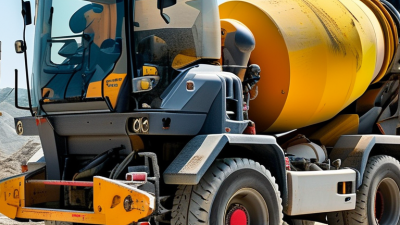
Choosing a cement mixer starts with the worksite, not the motor size. A portable mixer suits small repairs, garden paths, and indoor projects. Its drum often holds 60 to 120 litres, but usable output is lower. Do not fill the drum completely. A towable mixer offers larger batches, usually between 120 and 250 litres. It works better for foundations, slabs, and repeated outdoor pours. Stationary mixers can exceed 250 litres, but they need firm ground, power, and safe material handling.

Drum capacity can be misleading. The listed volume describes the entire drum, not the amount mixed efficiently. In practice, filling about 70 to 80 percent helps prevent spilling and uneven blending. I once treated a 160-litre drum as a 160-litre batch mixer. That estimate was optimistic. Mixing became slow, and the concrete quality varied. Check the manufacturer’s rated output, mixing cycle, power source, and loading height. A smaller mixer may perform better when access is limited.

Tips: Measure the path to the work area before buying. Check doorway width, ground slope, and available power. For frequent batches, choose a mixer with wheels, a stable frame, and easy drum controls. Compare output per cycle rather than drum size alone. If your project quantity is uncertain, leave extra capacity. Running at the limit is rarely efficient.

Evaluate Power Sources, Materials, and Mixing Performance

How to Choose the Right Cement Mixer?
Evaluate Power Sources, Materials, and Mixing Performance

Choosing a cement mixer starts with the worksite, not the advertised drum size. Electric power suits indoor projects and sites with stable outlets. Battery operation offers mobility, but runtime drops when mixing stiff, aggregate-rich batches. Fuel-powered machines support remote work, though ventilation, noise, and maintenance require serious planning. Check voltage, motor protection, and extension-cord capacity before mixing. A weak power supply can produce uneven batches.

Material selection affects service life more than many buyers expect. A thick steel drum resists impacts from gravel and repeated loading. Quality paddles should maintain their shape and avoid scraping excessive metal from the drum. Look for sealed bearings, accessible grease points, and a frame that stays rigid under load. Corrosive mixtures demand prompt cleaning, especially around joints and discharge controls. I once underestimated cleanup time. That mistake cost more than expected.

Mixing performance depends on batch capacity, torque, paddle design, and drum speed. Do not fill the stated capacity completely. A practical load usually leaves room for cement, water, and aggregate to circulate. Observe whether dry pockets remain after several rotations. Uniform color and consistent texture matter more than speed alone. For frequent work, compare discharge height with the receiving barrow or form. A slow, controlled discharge may prevent segregation, but this is easy to overlook. Record batch times and moisture changes during real use; published figures cannot replace site experience.

How to Choose the Right Cement Mixer?

Comparative evaluation of common power sources using practical selection criteria. Scores range from 1 (less suitable) to 5 (more suitable).

Electric mixers are generally well suited to indoor or residential work because they produce no onsite exhaust and usually require less routine maintenance. Gasoline mixers offer greater mobility where grid power is unavailable, while diesel mixers are commonly selected for demanding construction environments because of their strong torque and fuel efficiency under heavy loads. Actual performance depends on mixer capacity, drum design, material quality, and operating conditions.

Check Safety Features, Maintenance Needs, and Mobility

How to Choose the Right Cement Mixer?

Safety should guide your cement mixer choice. Check whether the drum guard covers moving parts securely. Look for an emergency stop control within easy reach. Stable feet matter on uneven ground. A mixer that shifts during loading can create serious risks. Inspect the power cable, plug, and switches before every use. Keep hands, tools, and loose clothing away from the rotating drum. I once saw a mixer wobble because one support leg rested on loose gravel. It looked minor, but the operator stopped immediately.

Maintenance needs are easy to overlook. Choose a mixer with accessible grease points and clear service instructions. The drum should rinse clean before concrete hardens inside it. Check belts, bearings, bolts, and drum blades regularly. Unusual noise often appears before a larger mechanical failure. Keep a simple maintenance log with dates and observations. I sometimes underestimated cleaning time after a busy shift. That mistake made the next inspection harder, not easier. A few extra minutes can protect both performance and working conditions.

Mobility also affects daily efficiency. Large wheels help move the mixer across compact soil and smooth concrete. Strong handles improve control when turning through narrow spaces. Locking wheels can prevent unwanted movement during mixing. Consider the mixer’s weight, doorway width, storage area, and transport distance. A lighter model may be easier to move, but it might feel less stable. Test the balance when empty and loaded, if possible. Do not rely only on catalog measurements. Real work areas are rarely as tidy as expected.

Select a Mixer Based on Budget, Workspace, and Long-Term Use

How to Choose the Right Cement Mixer?

Budget should match the volume, frequency, and labor available. A small portable mixer may suit occasional repairs and narrow residential sites. A larger drum reduces batch counts but demands more transport space, power, and maintenance. The U.S. Census Bureau reported approximately $2 trillion in construction spending during 2023. That figure reflects strong activity, but it does not justify buying the largest machine. Measure twice.

Workspace changes the decision quickly. Check door widths, floor strength, ventilation, and the distance to water and aggregate. A mixer that fits the specification sheet may still block a walkway or overload a weak surface. Choose a capacity that leaves practical room inside the drum. Overfilling can produce uneven mixing and accelerate wear. ACI 304R emphasizes controlled batching, mixing, and handling for consistent concrete quality. Space matters.

Long-term use requires more than a strong motor. Inspect drum bearings, paddles, guards, wheels, and cleaning access before purchase. Parts that are difficult to reach often remain dirty, then deteriorate. Safety deserves equal attention. The U.S. Bureau of Labor Statistics recorded 1,075 fatal construction work injuries in 2023, reinforcing the need for stable positioning and guarded moving components. I would also compare energy use and service intervals. A cheaper mixer may win today, yet lose after repeated repairs. That choice ages.