Top 10 Best Cement Mixers for Every Construction Project?
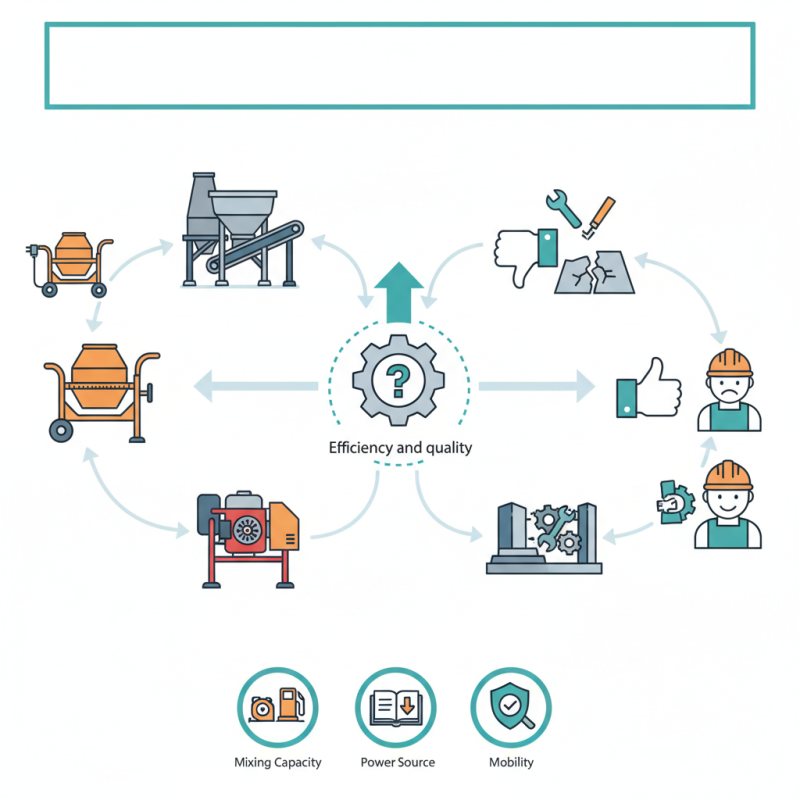
When embarking on any construction project, selecting the right Cement Mixer is crucial. This equipment is not just a convenience; it significantly affects your work's efficiency and quality. With various types available, from portable units to large, stationary mixers, choosing wisely can enhance your productivity.
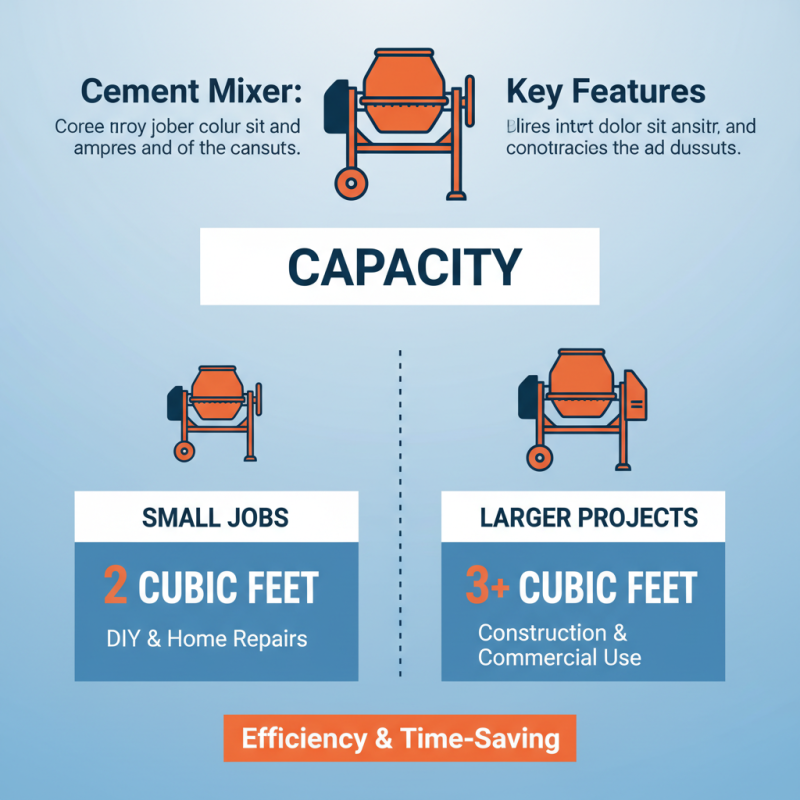
Every project has different needs. Some may require a compact, electric mixer for small tasks, while others may benefit from a robust gas-powered model for larger jobs. Considerations like mixing capacity, power source, and mobility will guide your choice.
It's important to remember that not all mixers are created equal. Some may fall short in durability or performance. It's advisable to research product reviews and brand reputations. Investing in a reliable Cement Mixer pays off, ensuring consistent results and reliability on the job.
Understanding the Importance of Cement Mixers in Construction Projects
Cement mixers play a critical role in construction projects. They ensure uniform blending of concrete components. This consistency is vital for the strength and durability of structures. Properly mixed cement results in fewer defects. It minimizes the risk of cracks over time, which is a common issue in poorly mixed concrete.
Using the right cement mixer impacts project success. Different projects require varying quantities and types of concrete. A small mixer may suffice for residential work, while larger projects need industrial-sized mixers. However, not all workers select the right equipment. Some may underestimate the importance of using high-quality mixers, leading to costly mistakes.
A reliable mixer boosts efficiency and reduces labor hours. However, improper use can lead to wastage of materials. Understanding the mixer's capabilities and limitations is essential. Workers must be trained to operate these machines properly. Good practices in using cement mixers can lead to better outcomes in construction. Over time, these practices ensure safer and more stable structures.
Top 10 Cement Mixers: A Comprehensive Review
When it comes to construction projects, choosing the right cement mixer is crucial. A reliable mixer saves time and ensures quality work. The right equipment can handle different materials and deliver consistent results. A good mixer mixes evenly, whether you're using concrete or mortar. Many models offer easy cleanup and portability, making your job easier.
Not all mixers are created equal. Some may struggle with larger batches or thicker mixtures. It’s essential to assess the size and scope of your project before selecting a mixer. Consider the power and capacity needed for your job. A skilled user understands that a more powerful mixer can handle demanding tasks. However, it's easy to overlook the maintenance. Regular checks on components can prevent breakdowns.
Budget constraints often lead to compromises. You might find a cheaper option that performs well initially but fails over time. Investing in a quality mixer is a long-term decision. Users should familiarize themselves with the features each model offers. Explore various options and weigh their pros and cons. Make an informed choice to enhance your project's success.
Comparative Analysis of Different Types of Cement Mixers
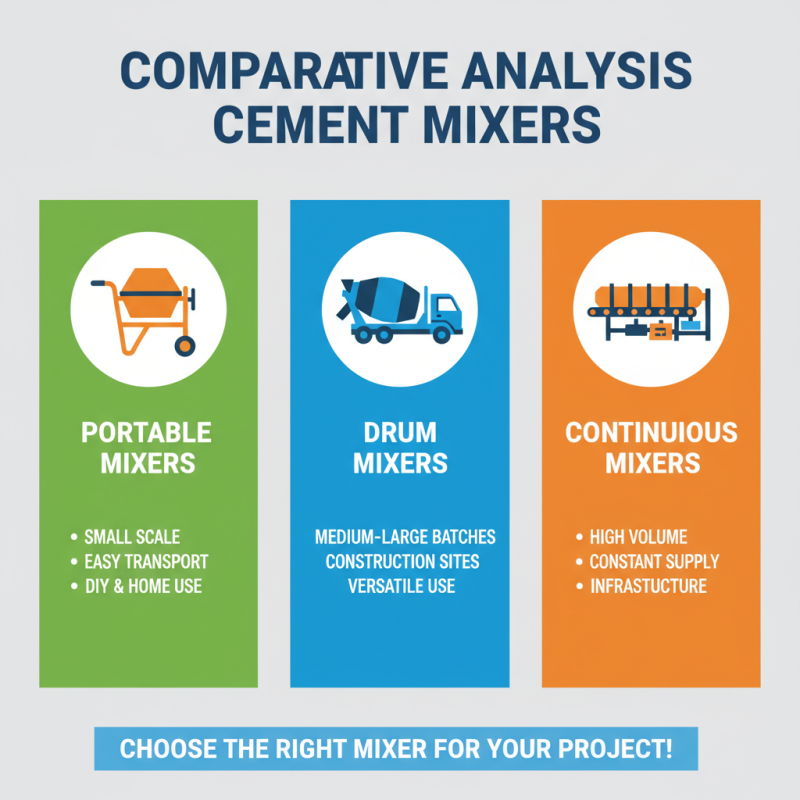
When embarking on a construction project, selecting the right cement mixer can be crucial. Understanding the different types of cement mixers is essential for efficiency and effectiveness in mixing materials. There are three primary categories: portable mixers, drum mixers, and continuous mixers. Each type has unique features and is suited for specific tasks.
Portable mixers are lightweight and ideal for small projects. They can be easily moved around job sites. However, their capacity may limit large-scale operations. Drum mixers, on the other hand, can handle larger volumes. They rotate to mix cement thoroughly but may require a larger space. Continuous mixers offer a steady supply of mixed cement, suitable for high-demand projects. Yet, they can be more complex to operate and maintain.
Each type has its strengths and weaknesses. Choosing a cement mixer involves weighing the project scale against the mixer’s capabilities. Some users may find the learning curve challenging. Additionally, maintenance often gets overlooked, leading to performance issues down the line. A mixer that works perfectly for one task may not suffice for another. It’s important to reflect on project needs and understand that not all mixers can meet every requirement effectively.
Maintenance Tips to Extend the Life of Your Cement Mixer
Maintenance is crucial for extending the life of your cement mixer. Regular cleaning after each use prevents cement buildup. This can cause clogs and affect performance. Always scrape the drum walls to remove residue. Allow the mixer to dry completely to avoid rust.
Check the belts and electrical components regularly. Worn belts can create inefficiencies and increase energy consumption. Inspect wiring for wear or fraying. Lubricate moving parts according to the manufacturer’s guidelines. This keeps the mixer running smoothly and prevents breakdowns.
Proper storage is essential. Store your mixer in a dry, sheltered area when not in use. This helps protect it from the elements. Cover it to prevent dust accumulation. Occasionally, inspect the mixer for any signs of wear and tear. Look for cracks or loose bolts. These small details can make a significant difference in longevity.