How to Choose the Best Cement Mixer for Your Projects?
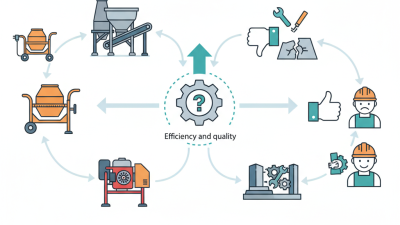
Choosing the best cement mixer for your projects is crucial for efficiency and quality. According to industry reports, the global concrete mixer market is expected to reach $6.7 billion by 2026, growing by nearly 6% annually. This data highlights the increasing demand for robust and reliable cement mixers in construction.
A cement mixer plays a key role in ensuring uniform mixing of concrete. This avoids issues such as inconsistent texture and weak structures. Research indicates that project delays often stem from improper mixing techniques. Thus, selecting the right equipment can lead to more successful outcomes.
However, not all mixers are created equal. Factors like size, power, and ease of use must be considered. It's essential to reflect on your specific project needs. Investing in a high-quality cement mixer can greatly impact the success of your work. Yet, it is imperative to balance quality with cost, as the best option may not always be the most expensive one.
Understanding the Types of Cement Mixers Available on the Market
When selecting a cement mixer, understanding the types is crucial. Generally, mixers fall into two main categories: portable and stationary. Portable mixers are compact and ideal for small jobs. They can be moved easily, which is beneficial for residential projects. These mixers usually have a smaller capacity, making them practical for DIY enthusiasts.
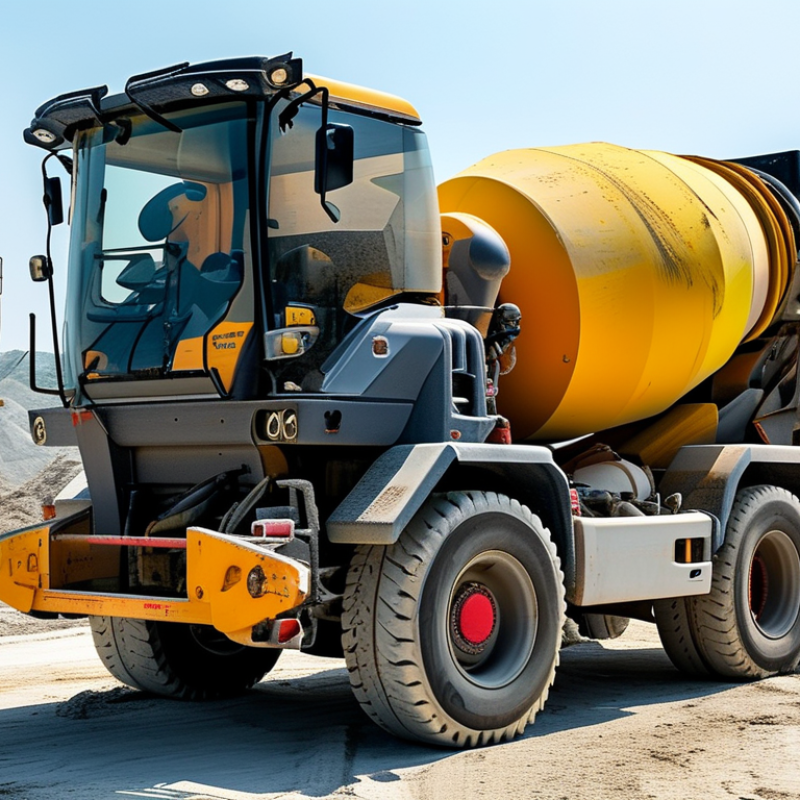
Stationary mixers are designed for larger projects. They are more powerful and can mix larger volumes of concrete efficiently. However, their size limits mobility. Construction sites typically favor these models due to their heavy-duty performance. A downside is that they require a dedicated space. Assess your project requirements to determine which type fits best.
Consider the mixing capacity and power of the mixer. A larger capacity is great for big jobs but may overwhelm small tasks. Pay attention to the electric motor or gas engine specifications. Noise levels can also be a concern, especially in residential areas. Reviews can offer insights but remember that user experiences vary. Always weigh the pros and cons before making a choice.
How to Choose the Best Cement Mixer for Your Projects?
| Mixer Type |
Capacity (cubic feet) |
Power Source |
Typical Uses |
Weight (lbs) |
| Portable Electric Mixer |
2-3 |
Electric |
Small DIY projects, repairs |
50 |
| Towable Concrete Mixer |
6-9 |
Gas/Diesel |
Medium to large projects, driveways |
300 |
| Stationary Mixer |
12-15 |
Electric |
Large construction sites, mixing concrete in bulk |
800 |
| Handheld Mixer |
1-2 |
Electric |
Small batches, mixing mortar |
15 |
Evaluating the Size and Capacity Requirements for Your Projects
When selecting a cement mixer, size and capacity are crucial. A mixer’s capacity often indicates how much concrete it can handle. According to industry reports, a standard mixer ranges from 1 cubic foot to 12 cubic feet. For small home projects, a 2 to 3 cubic foot mixer suffices. However, larger projects may demand mixers that exceed 6 cubic feet.
Understanding your project scale helps in making the right choice. For example, a typical driveway requires about 6 cubic yards of concrete. If you use a 3 cubic foot mixer, you will need to run multiple batches. This can be time-consuming and may expose your work to inconsistencies.
Tip: Consider your project's dimensions and timeline. An underpowered mixer may slow down your progress. Always calculate your concrete needs before choosing a mixer size.
Capacity isn’t the only factor. Weight and portability matter too. A large, heavy mixer can be hard to transport. If you plan to move it frequently, opt for lighter models. This can save time and energy on site.
Tip: Think about storage and transport. A compact mixer may fit your workspace better. Be prepared to adjust your plans based on the equipment’s size.
Key Features to Consider When Selecting a Cement Mixer
When selecting a cement mixer, several key features are essential to keep in mind. The size of the mixer matters greatly. A smaller model may suffice for DIY projects, while larger jobs may need a robust mixer. Consider the drum capacity; it directly impacts how much material you can mix at one time. A typical home project may benefit from a 3 to 5 cubic feet capacity.
Power is another vital feature. Electric mixers are quieter and easier to maintain. Gasoline-powered mixers provide more mobility and are often more powerful. Evaluate your project's requirements to decide which power source suits you best.
Tips: Always check the mixer’s weight and portability. Lighter models are easier to maneuver. Also, ensure the mixer has a durable construction. Plastic mixers can be less reliable than metal ones. Lastly, think about your storage space. A compact mixer may save room if you're limited on space. Balancing these factors can lead to better project outcomes.
Assessing Power Sources: Electric vs. Gasoline Mixers
When choosing between electric and gasoline cement mixers, several factors come into play. Electric models generally shine in terms of convenience. They are quieter, lighter, and require less maintenance. According to industry reports, electric mixers can handle most small to medium projects efficiently, typically delivering about 150 RPM. This speed is adequate for mixing standard concrete and mortar.
Gasoline mixers, on the other hand, offer mobility and power. They are often preferred for larger projects or outdoor settings. The torque provided by gasoline engines allows for mixing large batches quickly. However, these mixers can be noisy and require more effort to start and maintain. Data suggests that gas models can reach RPMs exceeding 300, making them effective for heavy-duty applications.
Tip: Consider the job site when choosing your mixer. For indoor jobs, electric mixers might be ideal due to their reduced noise levels.
Tip: Think about the volume of work. If frequent large-scale pours are needed, a gasoline mixer might justify the higher cost and maintenance.
Ultimately, the choice between electric and gasoline cement mixers hinges on your specific project needs, job site conditions, and personal preferences. Make sure to evaluate all options with careful consideration of these factors.
Budgeting for Your Cement Mixer: Cost vs. Quality Considerations
When budgeting for a cement mixer, cost and quality are critical factors. Understanding the balance between price and durability is essential. A lower-priced mixer might save you money upfront. However, cheaper models can often lack long-term reliability. They may break down more frequently, leading to unexpected expenses.
Consider your project needs before making a decision. If you only need a mixer for small DIY tasks, a budget option could suffice. Yet, if you plan to tackle larger jobs regularly, investing in a higher-quality mixer might be wise. It’s frustrating to deal with a mixer that can’t handle heavy loads. Weigh the costs against the potential hassle of repairs.
Reflect on your work environment as well. A robust mixer can withstand outdoor conditions. This durability, however, often comes at a higher price. Cheaper models often use lower-quality materials, which can lead to premature wear and tear. Think about how often you will use it. The initial savings may not justify the long-term costs.