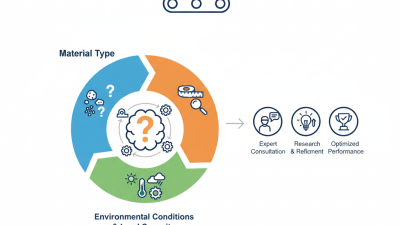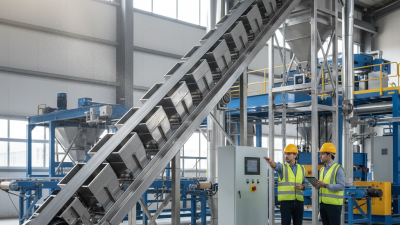
Choosing the right Bucket Elevator begins with the material, not the machine catalogue. Grain, cement, fertilizer, and fragile food products behave differently during lifting. A dusty powder may require sealed casing and careful airflow control. A delicate seed may need slower handling to reduce breakage. These details shape the elevator’s bucket style, belt or chain system, discharge method, and drive capacity.
Real operating conditions matter just as much. Measure the required height, capacity, feeding rate, and available floor space before comparing models. A system rated for 30 tons per hour may perform poorly if the feed arrives unevenly or contains abrasive particles. Consider moisture, temperature, cleaning routines, explosion protection requirements, and maintenance access. Inspectors and experienced plant technicians often notice practical issues that product brochures overlook, such as a difficult inspection door or a poorly placed bearing.
Small details matter.
A reliable selection also depends on supplier competence. Request performance data, material recommendations, service records, and clear warranty terms. Ask how the Bucket Elevator handles overloads, belt tracking, bucket replacement, and emergency stops. Site references can reveal more than polished specifications. Still, no single design fits every facility. Even experienced engineers can underestimate seasonal changes or future production increases. That uncertainty deserves attention, not confident guessing. This guide explains the main selection factors, compares common configurations, and highlights mistakes that can raise energy use, downtime, and maintenance costs. The goal is a safer, more dependable lifting system that matches actual plant conditions rather than an idealized specification sheet.
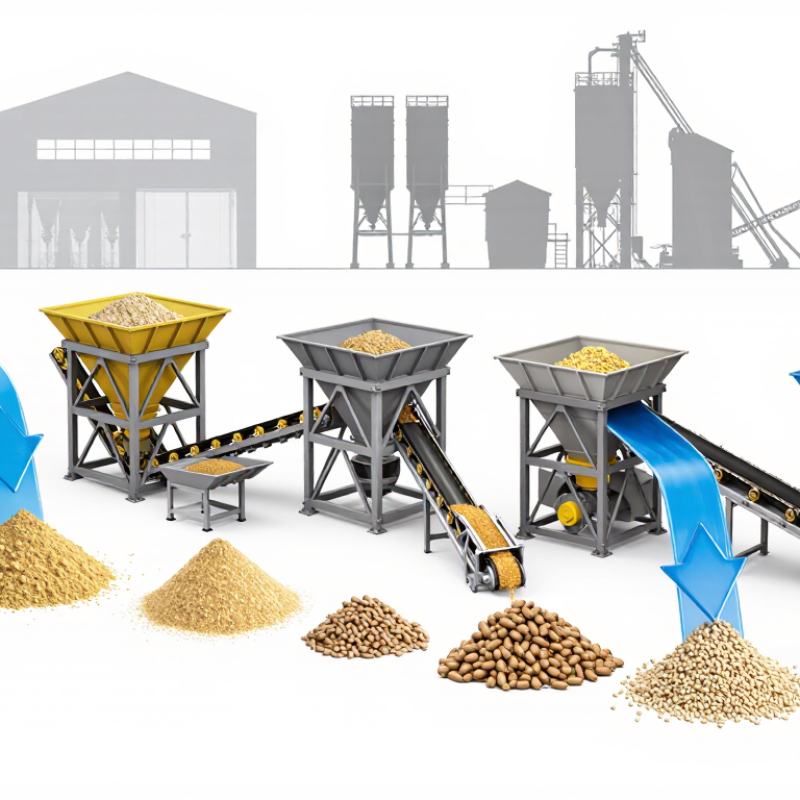
Start with the material, not the elevator model. Describe its bulk density, particle size, moisture, temperature, and flow behavior. Grain, fertilizer, limestone, and plastic pellets behave differently inside the same bucket. Sticky materials may build up around the boot. Abrasive particles can wear buckets, belts, and casings faster than expected. Fragile products may need slower handling to reduce breakage.
Next, calculate the required capacity in tonnes per hour, then check whether the figure is continuous or occasional. Include peak production, not only the daily average. Measure the vertical lifting height from the loading point to the discharge point. Also confirm the inlet and outlet positions, available headroom, and maintenance space. A small error here can create poor discharge, unexpected blockages, or difficult servicing. In practice, the first estimate is rarely exact.
Tips: Weigh a sample and measure its bulk density. Observe how it flows after storage. Record moisture changes during different seasons. Allow practical operating margin, but avoid excessive oversizing. An oversized elevator may increase energy use and damage delicate material. Ask the operator to review cleaning access, inspection points, and emergency stops. Real site conditions often differ from drawings. That detail deserves another check.
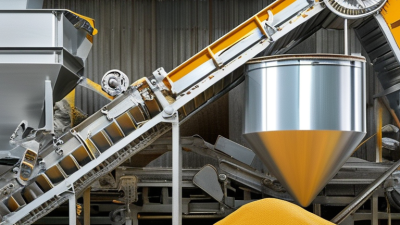
How to Choose the Right Bucket Elevator?
Compare Bucket Elevator Designs and Discharge Methods
Choosing a bucket elevator starts with the material, lift height, capacity, and operating conditions. A dry, free-flowing grain behaves differently from damp powder or fragile pellets. Belt elevators often run quietly and suit moderate loads. Chain elevators provide stronger traction for heavier materials and demanding environments. However, a stronger design may increase noise, maintenance, and energy use.
Discharge method deserves close attention. Centrifugal elevators use spaced buckets and higher belt speeds. They throw material from the bucket at the head pulley. This method works well for dry, free-flowing products. Continuous elevators place buckets closely together. Material flows gently over the bucket lip, reducing impact and product damage. They can handle fragile materials, but sticky products may build up inside the casing. Positive-discharge designs use mechanical action to empty each bucket. They offer controlled discharge, although their slower movement can limit capacity.
Real installations rarely match catalog conditions. Material moisture can change during the season. Small details matter. Check particle size, bulk density, temperature, and flow behavior before selecting equipment. During commissioning, observe bucket fill levels and the discharge trajectory. Uneven loading may indicate poor inlet design or incorrect speed. I have seen a seemingly suitable elevator struggle because dust collected around the head pulley. Regular inspection points should include belts, chains, buckets, bearings, and cleanout doors. A short material test is often more reliable than a confident assumption.
| Elevator Design | Typical Discharge Method | Suitable Materials | Main Advantages | Main Limitations | Typical Operating Speed | Best-Fit Applications |
|---|---|---|---|---|---|---|
| Centrifugal Belt Elevator | Centrifugal discharge at the head pulley | Dry, free-flowing bulk solids such as grain, seed, fertilizer, pellets and powdery products with controlled moisture | High conveying capacity; smooth and relatively quiet operation; low belt weight; suitable for tall installations | Not ideal for sticky, fragile or heavily clumped materials; requires sufficient belt speed for clean discharge | Generally high-speed service; exact speed depends on bucket spacing, pulley diameter and material properties | Grain handling, feed mills, seed processing, fertilizer plants and general dry-material conveying |
| Centrifugal Chain Elevator | Centrifugal discharge at the head sprocket | Dry, free-flowing and moderately abrasive materials, including aggregates, minerals, clinker and bulk solids | Greater resistance to shock, abrasion and high-temperature service than many belt arrangements; positive chain drive | Heavier and usually noisier than belt designs; chain, sprocket and bearing maintenance is required | Moderate to high speed, selected according to chain design, bucket construction and material characteristics | Cement, minerals, aggregates, foundries and applications involving impact or abrasive loading |
| Continuous Belt Elevator | Gravity discharge as buckets pass over the head pulley; adjacent buckets help guide the material | Fragile, friable or moderately cohesive materials such as food products, pellets, chemicals and some powders | Gentler handling; reduced product impact and degradation; good control of discharge trajectory | Usually lower capacity and slower throughput than high-speed centrifugal designs; may require careful bucket spacing | Low to moderate speed to limit product damage and maintain controlled discharge | Food processing, chemical handling, plastics, agricultural products and delicate bulk materials |
| Continuous Chain Elevator | Gravity discharge over the head sprocket, commonly with closely spaced buckets | Heavy, fragile, abrasive or moderately cohesive materials, including sand, limestone, fertilizer and bulk chemicals | Strong construction; controlled product flow; suitable for heavier loads and demanding duty cycles | Higher equipment weight and maintenance requirements; chain elongation and sprocket wear must be monitored | Low to moderate speed, depending on load, bucket design and required handling gentleness | Heavy-duty material handling, fertilizer, minerals, cement-related products and abrasive bulk solids |
| Positive-Discharge Bucket Elevator | Mechanical tipping or inversion of buckets at the discharge point | Sticky, damp, sluggish-flowing or difficult-to-discharge materials such as wet fertilizer, clay, sludge-like solids and certain food products | Improved emptying of buckets; reduces carryback and material buildup when centrifugal discharge is ineffective | More mechanical components; generally lower speed; requires accurate bucket alignment and additional maintenance | Typically low to moderate speed to support reliable bucket tipping and reduce spillage | Moist or cohesive materials where complete bucket emptying is more important than maximum speed |
| Heavy-Duty Deep-Bucket Elevator | Usually centrifugal or controlled gravity discharge, depending on bucket spacing and material behavior | Large, dense or abrasive materials such as crushed stone, clinker, ore and bulk minerals | High load-carrying capability; robust buckets and attachments; suitable for severe industrial service | Higher capital cost, structural load and wear; foundation and support design are especially important | Low to moderate speed selected to control impact, wear and dynamic loading | Mining, cement, quarrying, power generation and other high-load applications |
How to Choose the Right Bucket Elevator?
Choosing the right bucket elevator starts with understanding the material, not only the required capacity. Capacity alone is not enough. Examine particle size, moisture, temperature, abrasiveness, and lift height. Fine powder may leak through poorly fitted buckets and create dusty work areas. Large or fragile pieces need deeper buckets and gentler handling. Test the material before final selection.
Bucket shape and spacing affect loading, discharge, and breakage. Belt drives suit many moderate-duty applications and usually operate with lower noise. Chain drives can handle heavier loads, higher temperatures, and demanding conditions. However, chains require careful lubrication and alignment. Check belt strength, bucket attachment, and emergency stopping features. Small alignment errors can become expensive failures.
Construction materials also deserve close attention. Carbon steel offers strength and practical cost for dry, non-corrosive materials. Stainless steel resists moisture and corrosion, making it useful for hygiene-sensitive or washdown areas. Wear-resistant liners can protect contact surfaces when abrasive particles are involved. Consider shaft seals, inspection doors, fasteners, and internal clearances as one system. A minor gap can collect material and complicate cleaning. The first selection is rarely perfect. Recheck operating temperature, seasonal moisture, and actual loading patterns before approving the design.
Typical bulk density helps determine bucket capacity, belt or chain loading, and the required construction materials. Actual values vary with moisture, particle size, and compaction.
How to Choose the Right Bucket Elevator?
Choosing a bucket elevator starts with safety, not capacity alone. In field inspections, the safest design is rarely the fastest one. Look for enclosed discharge zones, sturdy guards, and accessible emergency stops. Belts or chains need reliable tracking and protection from accidental contact. Ask for documented testing of overload protection, bearing temperature monitoring, and backflow prevention. Small details matter.
Installation conditions can change the equipment choice completely. Measure headroom, inlet height, discharge height, and available maintenance space. Check floor strength before delivery, especially when handling dense materials. An uneven base can create vibration, noise, and premature wear. Temperature, dust levels, moisture, and material abrasiveness also deserve careful review. Poor alignment often begins with rushed installation. Leave enough clearance for inspection doors and component removal. I have seen maintenance delayed because a motor could not be safely reached. That mistake is avoidable.
Maintenance needs should be clear before purchasing. Choose an elevator with practical access points, replaceable wear parts, and simple inspection routines. Inspect buckets, fasteners, bearings, and belt tension at scheduled intervals. Plan lubrication according to operating hours and the working environment. Keep critical spare parts available, but avoid stocking items without confirming compatibility. Use a written checklist. Do not rely on memory. Even a well-designed elevator can underperform when cleaning is inconsistent or operators miss early signs of vibration. Review the selection with installers and maintenance staff before final approval.
Choosing a bucket elevator begins with the final operating environment, not the catalog capacity. A low purchase price can hide higher energy, cleaning, and maintenance costs. The U.S. Department of Energy reports that motor-driven equipment consumes about 68% of industrial electricity. Therefore, compare motor efficiency, start-up load, and expected operating hours. A smaller motor is not always cheaper.
Define the material clearly. Record bulk density, moisture, particle size, temperature, and abrasiveness. Wheat flour behaves differently from hot mineral granules. Fine dust also demands careful enclosure and ventilation design. OSHA’s grain-handling requirements emphasize housekeeping, ignition control, and dust management. CEMA engineering guidance also stresses correct speed, loading, and discharge geometry. These details affect both safety and service life. Keep it practical.
Budget for the unpleasant parts. Include inspection doors, belt or chain replacement, spare buckets, access platforms, and downtime. A clean, accessible elevator may cost more initially. It can reduce maintenance hours later. In my experience, buyers often overestimate capacity and underestimate cleaning time. That mistake is expensive. Yet the opposite can happen when future production growth is ignored. Leave reasonable capacity margin, but do not pay for an oversized machine that runs inefficiently. Final selection should balance capital cost, energy demand, dust conditions, maintenance access, and local operating realities. A polished calculation can still be wrong. Recheck the assumptions with real material samples and site measurements.