How to Choose the Right Belt Bucket Elevator for Your Business?
Choosing the right Belt Bucket Elevator can significantly impact your business's efficiency. Industry expert John Smith, a leading engineer in material handling systems, emphasizes, "The right elevator can enhance productivity and reduce downtime."
When considering a Belt Bucket Elevator, several factors demand attention. These include the material type, capacity, and operating environment. Each detail plays a vital role in ensuring the system meets your specific needs. An ill-chosen elevator can lead to excessive maintenance costs and operational issues.
Business owners often underestimate the importance of expert advice. Investing time in research can yield better performance and longevity for your equipment. Understanding the features and limitations of various models will result in a more tailored solution for your operations.
Understanding the Basics of Belt Bucket Elevators
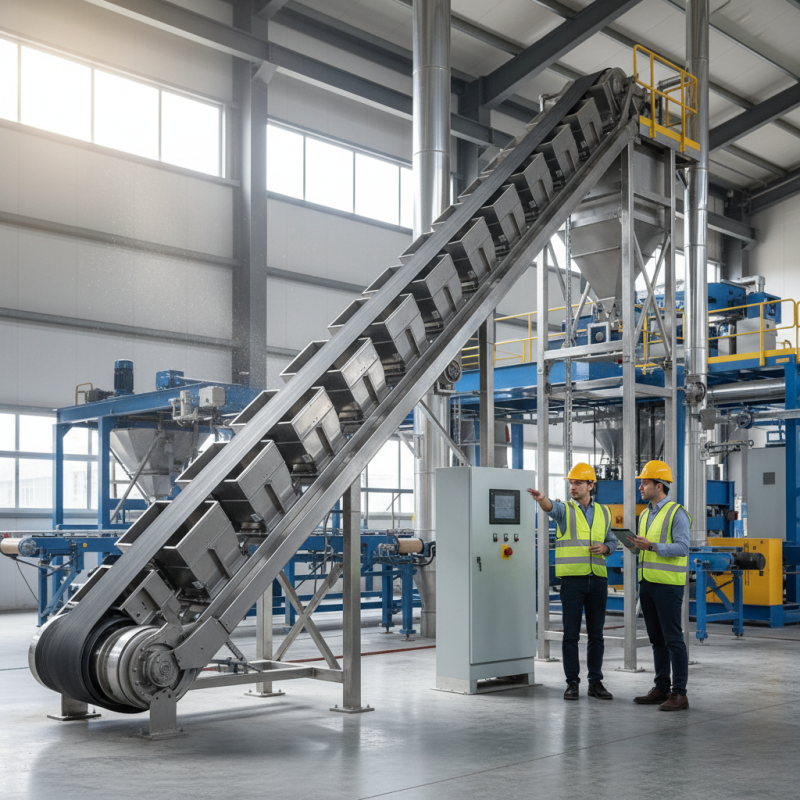
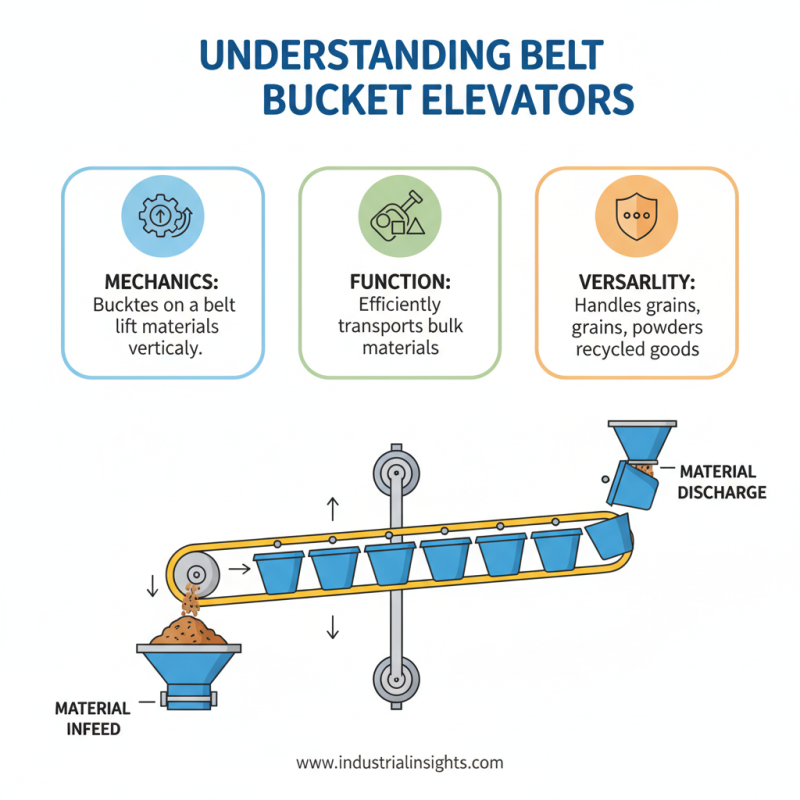
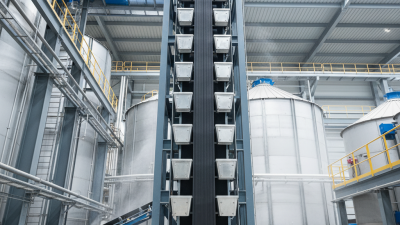
Belt bucket elevators play a crucial role in efficiently transporting bulk materials. Understanding their basic mechanics is essential for making informed decisions. These systems consist of buckets attached to a belt, which elevates materials vertically. They are versatile and suitable for handling various materials, such as grains, powders, and even recycled products.
Each component of a belt bucket elevator has specific functions. The bucket design impacts the lifting capacity and material integrity. For example, wider buckets allow for larger loads but can create more spillage if not properly aligned. Belt material also affects durability and resistance to wear. As a result, businesses might need to assess their unique material characteristics when choosing components.
While these elevators are efficient, flaws can arise during operation. Misalignment or wear can lead to downtime and increased maintenance costs. Regular inspection is vital to ensure optimal functioning. Understanding these elements can help businesses avoid pitfalls and enhance the effectiveness of their material handling systems.
Key Factors to Consider When Selecting a Belt Bucket Elevator
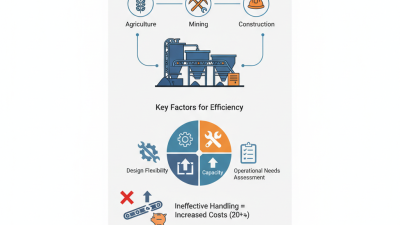
When selecting a belt bucket elevator, several key factors come into play. The first factor is the material being transported. Different materials, such as grains, minerals, or powders, have unique characteristics that affect handling. According to industry reports, 75% of all bulk materials are solid, thus influencing the choice of elevator design. Understanding the material’s temperature, moisture content, and specific gravity is essential. These properties can dictate the size and style of the buckets needed.
Another crucial consideration is the capacity requirements. Businesses often aim for efficiency. A report by the Bulk Handling Equipment Association states that the average capacity range for belt bucket elevators falls between 50 to 300 tons per hour. Selecting an elevator that meets or slightly exceeds these needs is wise. It minimizes downtime while ensuring a continuous flow of operations.
Lastly, while cost is always a factor, it shouldn't overshadow value. Choosing a less expensive elevator may lead to higher maintenance costs later. Experts warn that initial savings can be deceptive, often resulting in long-term losses. Diligently assessing the total cost of ownership is vital for making an informed decision.
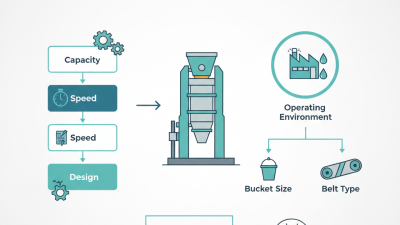
Comparison of Key Factors in Selecting a Belt Bucket Elevator
Evaluating Material Types and Handling Requirements
Choosing the right belt bucket elevator involves a careful assessment of your material types and handling requirements. This decision significantly impacts efficiency and operational costs. Different materials pose unique challenges. For instance, abrasive materials may require tougher belt options to prevent wear. Similarly, sticky materials could lead to clogs and require specialized designs for smooth handling. Understanding your specific material characteristics is crucial.
The handling requirements play a vital role, too. Consider factors such as moisture levels and temperature. High moisture content can affect material flow. Additionally, extreme temperatures may demand specialized materials for durability. Reflecting on these needs will help ensure longevity and minimize maintenance issues.
Evaluating your existing setup can provide insights. Are current systems meeting expectations? Frequent breakdowns may indicate mismatched equipment. Take this opportunity to analyze your processes. What can be improved? A thorough review will lead to better choices in selecting an appropriate elevator system for your operation.
Assessing Capacity and Height Specifications for Your Needs
When selecting a belt bucket elevator, understanding capacity and height is crucial. Capacity refers to the amount of material the elevator can handle. It’s essential to match this capacity with your production needs. Oversizing can lead to wasted energy costs, while undersizing may cause bottlenecks. Check the specific weight of your material, as this directly affects capacity calculations.
Height specifications are equally important. Evaluate the vertical distance the buckets must travel. This measurement influences the design and engineering of the elevator. Consider the layout of your facility. Space constraints can limit your options. Higher lifts may require additional considerations in terms of stability and support. It’s also vital to think about maintenance access for taller systems.
Choosing the right elevator involves careful assessment. Do not rely solely on generic metrics. Each business has unique demands. Engaging with experts can enhance your decision-making process. Collaborate with engineers to ensure that the elevator meets your specific operational needs. Reflect on your material handling processes to identify improvement opportunities.
How to Choose the Right Belt Bucket Elevator for Your Business? - Assessing Capacity and Height Specifications for Your Needs
| Specification |
Description |
Recommended Value |
| Capacity (tons/hour) |
The maximum weight of material that can be moved in one hour. |
10-50 |
| Height (meters) |
The vertical distance from the ground to the discharge point. |
5-30 |
| Belt Width (inches) |
The width of the belt, impacting the volume of materials handled. |
12-24 |
| Material Type |
The type of material being conveyed affects the design needs. |
Granular, Powder, Lumps |
| Drive Type |
The method in which the elevator is powered. |
Electromechanical, Pneumatic |
| Bucket Style |
The design of the buckets that carry the material. |
Standard, Heavy-duty, Food-grade |
Maintenance and Operational Cost Considerations for Belt Bucket Elevators
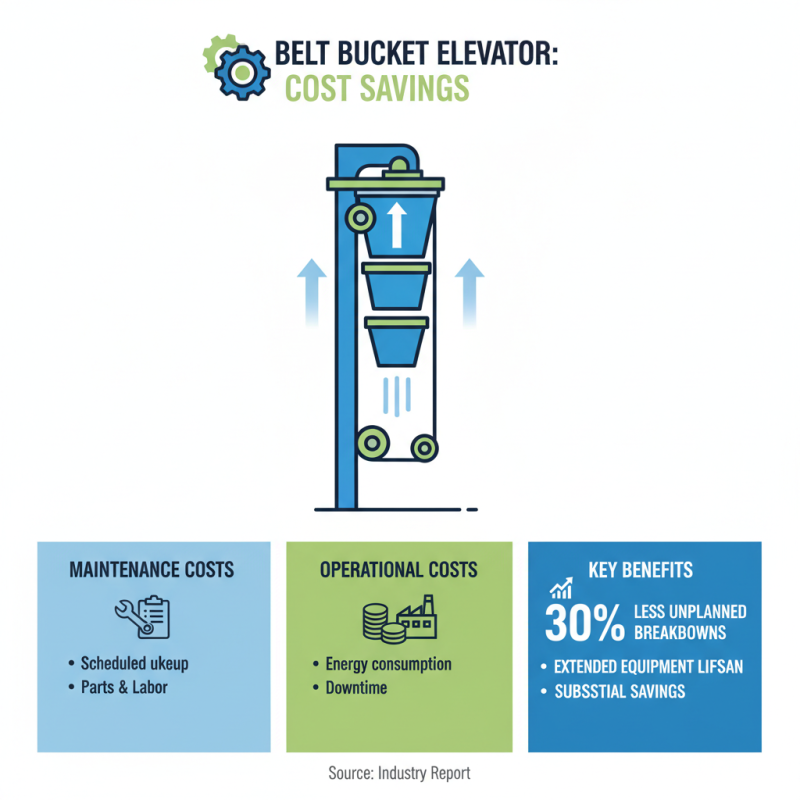
When selecting a belt bucket elevator, one critical factor is maintenance and operational costs. These costs can significantly impact your overall business expenses. A recent industry report indicates that regular maintenance can reduce unplanned breakdowns by up to 30%, leading to substantial savings. Effective maintenance extends equipment lifespan, making it an essential part of your operational strategy.
Understanding the components of maintenance can help optimize costs. Routine checks on belts, pulleys, and bucket integrity are vital. For instance, neglecting small issues can lead to bigger failures. A well-maintained elevator can operate at 95% efficiency, whereas a poorly maintained one may drop to 70%. These figures underscore the importance of a proactive maintenance approach.
Additionally, operational costs should not be overlooked. Energy consumption is a significant factor. Data shows that energy-efficient models can save businesses nearly 20% in operational expenses annually. Investing in advanced technologies for monitoring performance can streamline operations. However, it's essential to analyze these investments carefully. Not every technology suits every business model, so reflect on your unique operational needs before making a decision.