How to Choose the Right Bucket Elevator Belt for Your Needs?
Choosing the right Bucket Elevator Belt can significantly impact the efficiency of your operation. The belt plays a crucial role in moving materials upward in various industries. However, selecting the correct belt involves more than just choosing any available option.
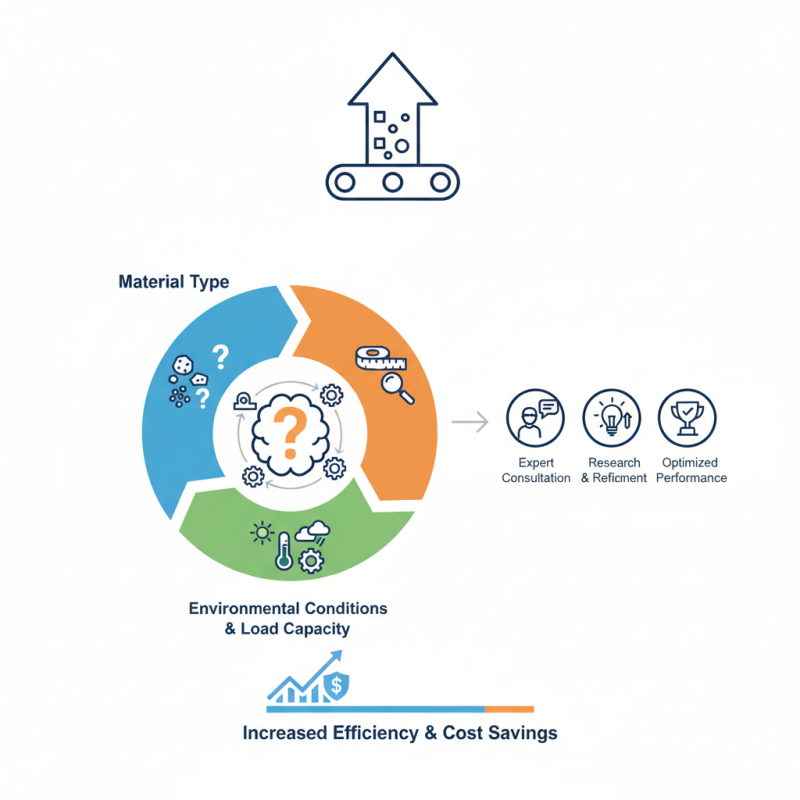
Experience and knowledge are essential when weighing your options. Factors such as material type, environmental conditions, and load capacity must be considered. Each detail can affect the durability and performance of the Bucket Elevator Belt. For example, using a belt that’s too weak can lead to frequent breakdowns. Insufficient strength can disrupt production and increase costs.
In the end, understanding your specific needs is vital. No singular solution fits all scenarios. Engaging with experts or conducting thorough research can guide you in making the best choice. This may require multiple attempts to refine your selection. The right Bucket Elevator Belt may take time to identify, but it is worth the investment.
Understanding the Different Types of Bucket Elevator Belts
When selecting a bucket elevator belt, understanding the various types available is crucial. Bucket elevator belts can be broadly categorized into rubber, plastic, and steel belts. Each type serves specific functions and material handling needs. For instance, rubber belts are known for their flexibility and durability, often used for moderate load conditions. According to industry reports, over 45% of facilities prefer rubber belts due to their cost-effectiveness and longevity.
Plastic belts have gained traction as they offer lightweight options with resistance to chemical spills. They are favored in food processing and pharmaceutical sectors. Data suggests that nearly 30% of latest installations utilize plastic belts, showcasing their growing importance in sectors requiring sanitation. Steel belts, although less common, provide unmatched strength for heavy loads. They are primarily chosen for bulk materials in environments with extreme temperatures.
While selecting a belt, considering the load capacity, material compatibility, and environmental factors is essential. The right choice can significantly impact operational efficiency. However, many still underestimate the need for regular maintenance and inspection. This can lead to premature failures and increased downtime. Emphasizing the significance of proper maintenance will improve usability and lifespan, creating a more effective conveying system.
Factors to Consider When Choosing a Bucket Elevator Belt
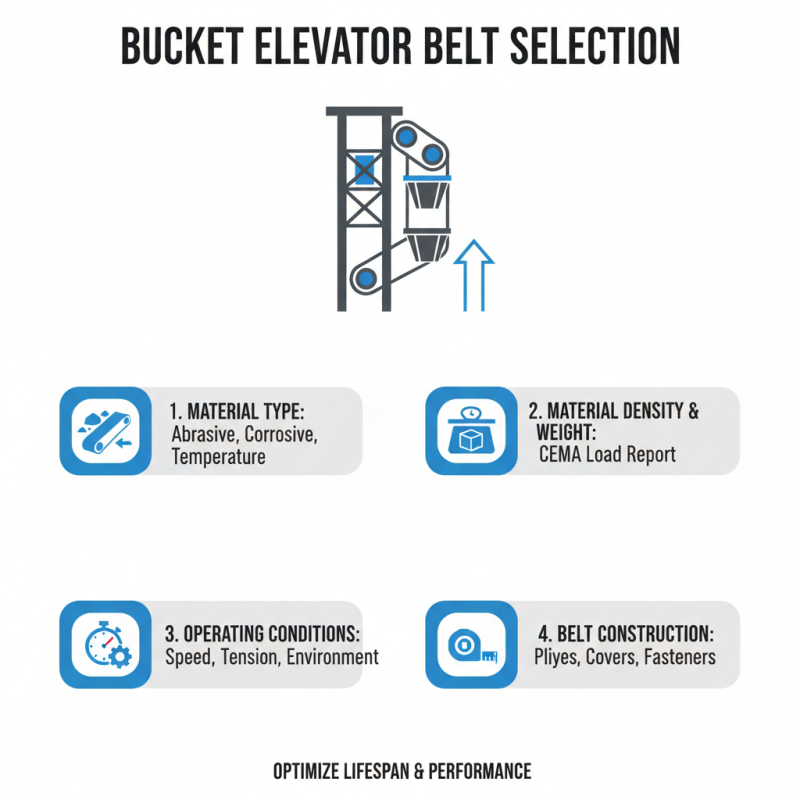
Choosing the right bucket elevator belt requires careful consideration of several factors. The material being transported is crucial. For instance, abrasive materials can wear down belts quickly. A report by the Conveying Equipment Manufacturers Association (CEMA) indicates that the type of belt should match the weight and density of the materials. This can significantly impact the lifespan of the belt.
Belt strength and durability are also paramount. Most bucket elevator belts are made from rubber, PVC, or polyurethane. Each material has its wear resistance and elongation characteristics. According to industry data, belts made from reinforced rubber are typically more robust and have a higher tensile strength. However, they can be more expensive. Cost versus lifespan analysis is essential.
Environmental conditions play a critical role too. If the environment is wet or corrosive, choose a belt that can withstand such exposure. Many operators underestimate the impact of temperature on belt performance. High or low temperatures can lead to cracking or elongation. Regular monitoring and maintenance are crucial to ensure optimal performance. Ultimately, understanding these factors can lead to better decision-making in selecting a bucket elevator belt that meets specific operational needs.
Evaluating Material Compatibility for Bucket Elevator Belts
Choosing the right bucket elevator belt requires careful consideration of material compatibility. The belt's material directly impacts its durability and performance in various applications. For instance, when handling abrasive materials, a thicker, more robust belt is necessary. On the other hand, delicate materials may require a softer belt to avoid damage. Understanding these nuances can prevent costly mistakes.
Material compatibility goes beyond just strength. Factors like temperature tolerance and chemical resistance are crucial. Some materials might degrade quickly when exposed to heat or specific chemicals, leading to premature failures. For example, certain synthetic belts perform poorly in high temperatures. It’s vital to assess the environmental conditions of your operation. Such evaluations can be complex and often need expert input.
Every application is unique, and what works for one might not work for another. Misjudging material compatibility can result in frequent breakdowns and increased maintenance costs. Reflection on past experiences can guide better choices. Engaging in dialogue with experienced professionals can help identify potential pitfalls. Ultimately, taking the time to evaluate these factors is essential for making an informed decision.
Assessing Load Capacity and Performance Specifications
When selecting a bucket elevator belt, it’s crucial to assess load capacity and performance specifications. These factors directly impact efficiency and longevity.
Begin by evaluating the material you’ll transport. Different materials have varying weights and shapes, which affect how much stress the belt will endure.
Next, consider the operational environment. Are there high temperatures or moisture levels?
These conditions can degrade the belt’s performance over time. Additionally, check the belt's construction. Reinforced designs may be necessary for heavy loads, while lighter materials could suffice for less demanding applications.
Be mindful of the potential mismatch between load capacity and operational speed. Striking a balance is essential, as overloading can lead to premature failure.
Lastly, keep in mind that user feedback is invaluable. Each installation has unique challenges and experiences.
Take time to reflect on previous choices and their outcomes. An effective belt choice is not just about numbers; it embraces real-world application and is informed by ongoing evaluation.
Maintenance and Longevity Considerations for Bucket Elevator Belts
Maintaining bucket elevator belts is crucial for their longevity. Regular inspections can identify wear and tear early. Look for fraying, cracks, or any signs of abnormal wear. This can save costs in the long run. Proper alignment also plays a key role in enhancing the lifespan of the belt. Misalignment can lead to increased friction and unnecessary strain, ultimately shortening the belt's life.
It's important to consider the working environment. Dust, moisture, and extreme temperatures can affect belt durability. Using the right materials can mitigate these issues. For instance, belts made of more robust materials may handle challenging conditions better. However, the trade-off could be flexibility. Sometimes you need to reflect on whether a tougher material is best for your specific needs.
Lastly, lubrication is not always straightforward. Some belts require specific lubricants to function efficiently. Too much or too little can create inefficiencies. Understanding these needs through careful research allows for informed decisions. Regular maintenance can extend the life of your bucket elevator belt significantly. The goal is to find a balance between performance and durability.
How to Choose the Right Bucket Elevator Belt for Your Needs? - Maintenance and Longevity Considerations for Bucket Elevator Belts
| Belt Type |
Material |
Load Capacity (lbs) |
Temperature Range (°F) |
Maintenance Frequency (months) |
Lifespan (years) |
| Heavy-Duty |
Rubber |
2000 |
-20 to 180 |
6 |
5 |
| Standard |
Polyester |
1500 |
-10 to 150 |
12 |
3 |
| Light-Duty |
Nylon |
800 |
0 to 140 |
18 |
2 |
| Heat-Resistant |
Silicone |
1200 |
100 to 500 |
8 |
4 |
| Oil-Resistant |
PVC |
1000 |
-20 to 160 |
10 |
3 |