Leave Your Message

2026 How to Choose a Plastic Sheet Extruder?

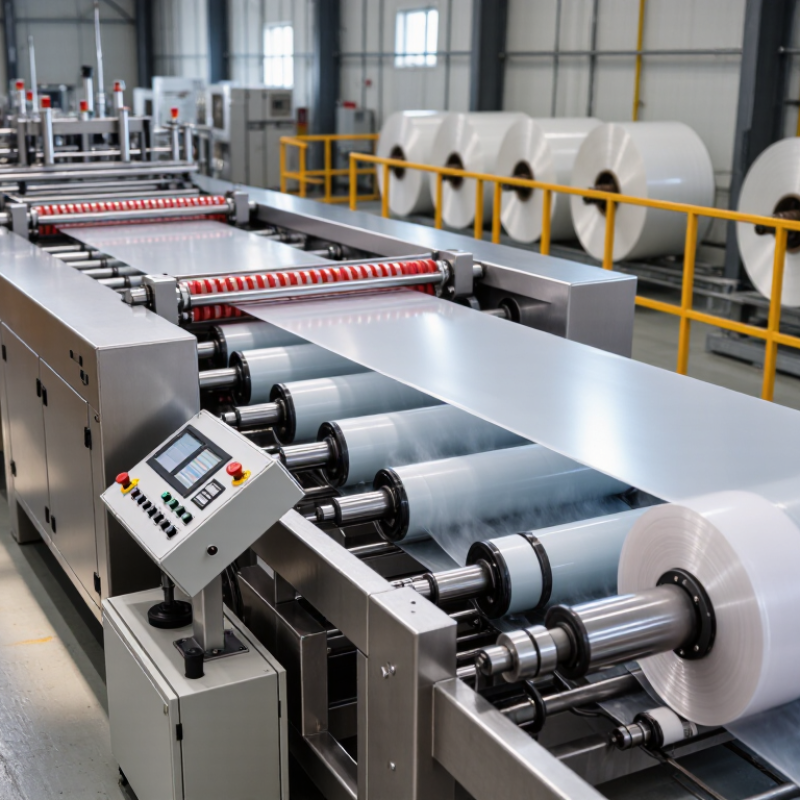
Choosing a Plastic Sheet Extruder in 2026 requires more than comparing prices and output claims. The right machine must match your material, sheet dimensions, production volume, and quality expectations. A compact line may suit short runs, while a high-throughput system needs stronger drive components and advanced temperature control. Small details matter.

In practical production, operators often notice problems first. Uneven sheet thickness, edge curling, unstable melt pressure, and excessive scrap can reveal poor equipment matching. A reliable extruder should provide consistent heating across every barrel zone. It should also support precise die adjustment, stable haul-off speed, and efficient cooling. Energy consumption deserves attention, especially during long production cycles. Service access matters too. A difficult-to-clean machine can quietly increase labor costs.

There is no universal best model. That conclusion would be too simple. Buyers should examine resin compatibility, screw design, maximum sheet width, automation features, and supplier support. Requesting verified test data is useful, but data should be checked against real production conditions. Ask whether the supplier has experience with your target polymers and applications. Review installation guidance, spare-parts availability, warranty terms, and operator training.

A careful selection process reduces technical and financial risk. It also supports safer, more repeatable manufacturing. The best Plastic Sheet Extruder is not always the largest or newest machine. It is the system that performs consistently, remains maintainable, and fits your actual production plan. Some uncertainty will remain. Good decisions acknowledge it, measure it, and manage it.
2026 How to Choose a Plastic Sheet Extruder?

Define Your Plastic Sheet Production Requirements

2026 How to Choose a Plastic Sheet Extruder?

Defining your production requirements should come before comparing equipment. Specify the plastic type, sheet width, thickness range, and target output. These details determine the suitable screw design, heating zones, die size, and cooling system. A narrow packaging sheet needs different control than a thick industrial panel. Record your actual production data, not only ideal targets. Include recycled content, additives, and expected material changes. Small differences can affect melt stability and surface quality.

Tips: Prepare a simple requirement table. List daily volume, acceptable thickness variation, sheet dimensions, and available floor space. Also check power capacity, cooling water, ventilation, and operator skills. These practical limits are easy to overlook. They can delay installation.

Review how the extruder handles start-up, thickness adjustment, and process alarms. Reliable temperature control and steady haul-off speed support consistent sheets. Ask for measurable performance data, trial records, and maintenance requirements. A supplier should explain its testing method clearly. Avoid choosing from output claims alone. A high rated capacity may reduce quality at your real thickness range. Your first estimate may be wrong. Recheck it using seasonal demand, material waste, and planned product changes. A flexible machine can cost more, but limited flexibility may cost more later.

Compare Extruder Types and Key Machine Specifications

2026 How to Choose a Plastic Sheet Extruder?

Choosing a sheet extruder starts with material behavior, not headline output. A single-screw extruder suits stable materials and consistent sheet production. It usually offers simpler operation, lower maintenance, and predictable melt flow. A co-rotating twin-screw system handles blending, fillers, and recycled content more effectively. However, it costs more and needs stronger process control. The right choice depends on your resin, additives, moisture level, and target thickness.

Check the specifications closely. Compare screw diameter, L/D ratio, motor torque, heating zones, filtration area, die width, and output range. A wide die is useless if the melt pump cannot maintain stable pressure.

For thin sheet, examine thickness tolerance, automatic gauge control, chill-roll diameter, cooling capacity, and haul-off accuracy. A practical trial should test edge trim, surface gloss, warpage, and start-up waste. Small details matter.

The scale of demand is significant. PlasticsEurope’s Plastics—The Fast Facts 2024 reports 413.8 million tonnes of global plastics production in 2023. Energy also deserves attention. The U.S. Department of Energy’s Industrial Decarbonization Roadmap identifies process heating as 51% of manufacturing energy use. Select efficient heaters, insulated barrels, and responsive temperature controls. Bigger is not always better. An oversized screw may increase residence time, waste, and energy use. My own checklist would still question supplier data without a material trial, because laboratory output rarely matches a dusty factory floor.

Match Materials, Sheet Dimensions, and Output Capacity

How to Choose a Plastic Sheet Extruder in 2026

Choosing a plastic sheet extruder starts with the material, not the machine price. Each polymer melts, flows, and cools differently during production. Confirm the resin’s processing temperature and moisture sensitivity with its technical data. Hygroscopic materials may need controlled drying before extrusion. Otherwise, bubbles and weak spots can appear inside the sheet. I have seen a clean-looking surface hide poor internal strength. That mistake is expensive. Recycled content also changes melt stability, color, and filtration needs. A trial run with the actual resin can reveal problems that specifications miss.

Sheet dimensions must match the die, roll stack, and cooling system. Define width, thickness, tolerance, and edge-trim requirements before comparing equipment. A wide sheet needs even temperature control across the die. Thick sheets usually require slower cooling and longer calibration. Thin sheets may demand faster roll response and precise gap adjustment. Output capacity should reflect real production, not the highest brochure figure. Consider startup waste, material changes, and maintenance time. A line rated for eight hundred kilograms per hour may produce much less with difficult resin. I would leave practical capacity below the maximum. That buffer improves stability. Check motor power, filtration area, haul-off control, and cooling capacity together. They must work as one system.

Evaluate Energy Efficiency, Safety, Maintenance, and Support

2026 How to Choose a Plastic Sheet Extruder?

When evaluating a plastic sheet extruder, energy efficiency should be measured beyond the nameplate rating. Check heating insulation, motor control, cooling demand, and standby consumption. A well-insulated barrel feels less wasteful during long production runs. Ask for actual operating data, not only laboratory figures. I have found that small efficiency losses become expensive when production runs every day. The cheapest machine is not always economical.

Safety needs practical inspection. Look for strong guards, reachable emergency stops, clear temperature alarms, and stable access around the die. Controls should be understandable to new operators, even during a stressful shutdown. Maintenance matters too. Check whether screens, heaters, filters, and sensors can be replaced without dismantling half the machine. Keep a simple service log. No machine is maintenance-free. I would not trust a promise that says otherwise.

Tips: Request a sample maintenance schedule and a spare-parts list before buying. Ask how quickly technical support responds, who provides operator training, and whether remote troubleshooting is available. Good support includes clear manuals, electrical diagrams, and honest guidance when a problem is unclear. Test the supplier with specific questions about uneven thickness, overheating, or unexpected vibration. Their answer often reveals more than a polished quotation. Also, confirm that safety features and installation requirements match local standards and your factory conditions.

2026 How to Choose a Plastic Sheet Extruder? – Evaluate Energy Efficiency, Safety, Maintenance, and Support

Evaluation Dimension What to Check Practical Benchmark or Target Recommended Verification Method Priority Score
Energy Efficiency Specific energy consumption of the complete line, including the extruder, die, calender, cooling, haul-off, and auxiliary systems. Use the supplier's measured kWh per kg at the required material, sheet thickness, output, and operating temperature. A lower verified value is preferable; comparisons are valid only under identical test conditions. Request a factory acceptance test using the intended resin and record total line electricity, output in kg/h, melt temperature, and sheet thickness. Very High __/5
Drive and Heating System Motor efficiency, variable-frequency drive control, barrel insulation, heater zoning, and automatic temperature regulation. Prefer closed-loop temperature control, insulated barrel zones, variable-speed drive control, and heat recovery or standby modes where technically suitable. Review the electrical schematics, motor and drive specifications, heater-control logic, standby energy data, and temperature stability records. High __/5
Output and Process Stability Screw diameter and L/D ratio, output range, melt-pressure stability, automatic thickness control, and compatibility with the required polymers. The normal production rate should operate near the middle of the machine's stable output range rather than at its maximum rated capacity. Confirm stable processing for the actual resin mix. Run a material trial covering the required thickness range, start-up, shutdown, color change, and recycled-content percentage if applicable. Very High __/5
Operator Safety Guarding of moving parts, emergency stops, interlocks, hot-surface protection, access control, and safe maintenance procedures. The machine should be risk-assessed and designed with safeguarding consistent with ISO 12100, safety-related control systems consistent with ISO 13849-1 where applicable, and electrical equipment consistent with IEC 60204-1. Request the risk assessment, safety-circuit validation, emergency-stop test records, guarding drawings, and lockout/tagout procedure. Very High __/5
Thermal and Pressure Protection Independent over-temperature protection, melt-pressure monitoring, pressure relief, alarm handling, and controlled decompression during shutdown. Critical temperature and pressure limits should trigger alarms and appropriate protective actions. Relief devices must be suitable for the process and accessible for inspection. Inspect the control philosophy, alarm list, pressure-relief documentation, sensor calibration records, and shutdown test procedure. Very High __/5
Cleaning and Changeover Ease of die removal, screen-changing method, screw accessibility, purge requirements, and changeover time. Prefer tool-assisted or hydraulic screen changing where justified, accessible clean-out areas, documented purge procedures, and a repeatable changeover process. Perform a supervised color or resin change and measure labor hours, material waste, downtime, and required tools. High __/5
Preventive Maintenance Lubrication points, gearbox inspection, heater and thermocouple replacement, filter maintenance, calibration, and wear-part life. A complete maintenance schedule should identify daily, weekly, monthly, and annual tasks, required skills, spare parts, tools, and estimated downtime. Review the maintenance manual, parts list, lubrication chart, recommended inspection intervals, and sample maintenance records from comparable installations. High __/5
Critical Spare Parts Availability of heaters, sensors, breakers, drive components, seals, screen packs, wear parts, and control hardware. The supplier should provide a recommended start-up spare-parts list, part numbers, interchangeability information, shelf-life guidance, and realistic delivery times. Obtain a written spare-parts quotation and verify whether commonly required parts can be sourced locally or from multiple qualified suppliers. High __/5
Training and Documentation Operator training, electrical and pneumatic diagrams, software backups, troubleshooting guides, calibration instructions, and multilingual documentation. Documentation should be delivered before commissioning, and training should cover operation, quality control, safety, cleaning, troubleshooting, and planned maintenance. Include documentation, training hours, trainee numbers, languages, and software backup files in the purchase contract. High __/5
After-Sales Support Remote diagnostics, service coverage, escalation process, technician availability, warranty conditions, and support for control-system updates. Set contractual service targets for response time, remote troubleshooting, on-site intervention, spare-parts delivery, and warranty claim handling. Request a support matrix, escalation contacts, service-level commitments, warranty exclusions, and references from comparable users without relying on brand claims alone. Very High __/5
Total Cost of Ownership Purchase price, installation, utilities, labor, energy, planned maintenance, unplanned downtime, tooling, scrap, and end-of-life costs. Compare the expected five-year cost per kilogram rather than the purchase price alone. Include electricity consumption under the planned production schedule and realistic utilization. Build a cost model using written quotations, measured energy data, labor rates, maintenance assumptions, spare-parts prices, and expected annual production. Very High __/5
Selection note: Use the same resin, output, sheet thickness, line speed, and test method when comparing suppliers. Treat quoted performance figures as provisional until they are confirmed during a documented factory or site acceptance test.

Calculate Total Costs and Select the Right Extruder

Choosing a plastic sheet extruder in 2026 requires more than comparing purchase prices. Calculate total cost of ownership over five years. Include the extruder, die, rollers, feeders, cooling systems, installation, training, spare parts, financing, labor, energy, scrap, and planned downtime. My first cost sheet missed die changes. It was wrong.

Measure electricity per kilogram during a real production trial. Record startup waste, thickness variation, and cleaning time. A machine producing 600 kilograms per hour may lose its advantage if it creates frequent edge trim. PlasticsEurope reported 413.8 million tonnes of global plastics production in 2023. That scale increases pressure to control material losses. Small percentages matter.

Match the screw design and temperature-control system to the resin mix, sheet width, thickness range, and recycled-content target. The OECD Global Plastics Outlook projects plastic waste could reach 1,014 million tonnes annually by 2060. This supports selecting equipment that can process variable feedstock, but flexibility often raises maintenance costs. Ask for test data using your actual materials. Check melt stability at both minimum and maximum output. Not always.

Compare annual energy, rejected kilograms, and maintenance hours in one table. Add a realistic downtime allowance. A 10% contingency is useful, though it may still be too low for inexperienced operators. Review service response, component availability, safety documentation, and training records. Reliable production is part of the price.