Top Screw Conveyors in China for Global Buyers Today?
In today's global market, screw conveyors play a pivotal role in material handling. The global screw conveyor market is projected to grow significantly, with a compound annual growth rate (CAGR) of over 4.5% from 2021 to 2026. This growth is driven by increasing demand in industries such as agriculture, food processing, and manufacturing.
China stands out as a key supplier in this sector, exporting high-quality screw conveyors to international buyers. Notably, the country accounts for more than 30% of the world’s total screw conveyor production. This statistic underscores China's dominance and the reliability of its manufacturing processes.
However, potential buyers should exercise caution. Not all manufacturers meet the same quality standards. Variability exists in design and materials used, which can impact overall performance. Quality assurance processes and certifications are critical factors to consider. Understanding these elements can lead to better purchasing decisions. Investing in screw conveyors requires thorough research and evaluation of the suppliers.
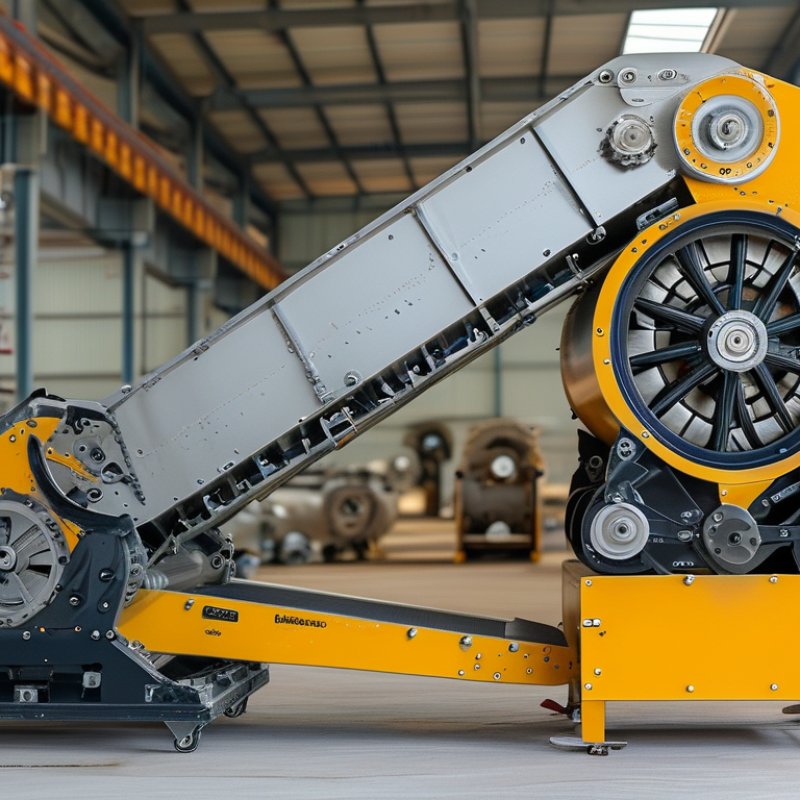
Top Manufacturers of Screw Conveyors in China: A Comprehensive Overview
Screw conveyors play a crucial role in material handling across various industries. China stands out as a leading producer, offering a diverse range of screw conveyors that cater to global buyers. Understanding the top manufacturers in this sector provides valuable insights into quality and innovation. These companies focus on strong designs that improve efficiency and durability.
When evaluating manufacturers, consider their expertise in the field. Look for companies with a proven history of reliability. Experts often emphasize the importance of material quality in conveyor construction. High-grade materials resist wear and tear, ensuring long-lasting performance.
Tip: Always inquire about after-sales support. A reliable manufacturer will offer assistance even after the purchase.
Another point to reflect on is the technology used in manufacturing. Advanced techniques can significantly enhance conveyor performance. Some manufacturers might prioritize cost over quality. It’s essential to assess the balance between affordability and durability.
Tip: Read customer reviews to gauge satisfaction levels. Real experiences can reveal much about product reliability and service.
Key Specifications and Performance Metrics for Screw Conveyors
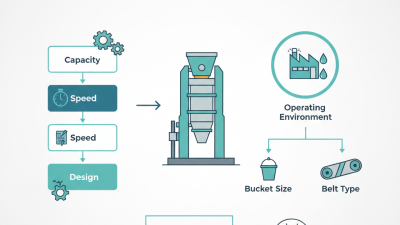
Screw conveyors are vital in various industries. Their design permits the efficient transport of bulk materials. Commonly used specifications include diameter, flight pitch, and material construction. Industry reports indicate that the average screw diameter ranges from 4 to 42 inches. The flight pitch typically varies between 1 and 1.5 times the diameter. These metrics significantly influence performance and efficiency.
Understanding the operating environment is crucial. Factors such as material density and moisture content can affect capacity. The performance metrics often highlighted in technical documents are throughput and torque. Thruput measurements typically range from 30 to over 100 tons per hour. Torque specifications usually depend on the material being conveyed and can reach up to 5000 Nm in heavy-duty applications.
Tips: Always verify the performance metrics with a reliable source before making a decision. Pay attention to the wear and tear on the conveyor system. Regular maintenance is key to optimizing longevity.
Market Trends and Predictions for Screw Conveyors in China
The market for screw conveyors in China is rapidly evolving. This growth is driven by increased automation and efficiency in various industries. Manufacturers are focusing on advanced materials and designs to enhance product performance. As automation rises, demand for reliable screw conveyors has surged. These products are vital for transporting bulk materials like grains, powders, and chemicals.
Tips: Consider the specific requirements of your material when selecting a screw conveyor. Different materials may require unique flight designs or coatings.
Market predictions suggest that sustainability will play a crucial role in future innovations. More companies will seek eco-friendly materials. They will also focus on energy-efficient designs. Investing in technology to reduce waste during production is becoming essential. The use of smart sensors and IoT technology will likely increase. This can improve monitoring and maintenance of the equipment.
Tips: Stay informed about the latest technology trends in screw conveyor designs. Regularly check for new developments that can optimize operations.
Flexibility in manufacturing is another area of growth. Suppliers are adjusting to offer customizable solutions. This could include various sizes, lengths, and operational capacities. Ultimately, ongoing market changes necessitate proactive strategies from industry players. Embracing change can lead to significant advantages.
Top Screw Conveyors in China for Global Buyers Today? - Market Trends and Predictions for Screw Conveyors in China
| Model |
Capacity (tons/hour) |
Length (meters) |
Material |
Price (USD) |
| SC-100 |
20 |
5 |
Carbon Steel |
3000 |
| SC-150 |
25 |
7 |
Stainless Steel |
4500 |
| SC-200 |
30 |
10 |
Aluminum |
5500 |
| SC-250 |
35 |
12 |
Plastic |
4000 |
| SC-300 |
40 |
15 |
Carbon Steel |
6500 |
Impact of Technology Advancements on Screw Conveyor Efficiency
Technological advancements are transforming the efficiency of screw conveyors in remarkable ways. According to a recent industry report by ResearchAndMarkets, the global screw conveyor market is expected to grow by 5% annually through 2025. This growth is largely fueled by innovations in automation and materials science.
New designs improve material flow and reduce energy consumption significantly. For instance, the adoption of advanced wear-resistant materials can extend the lifespan of screw conveyors. This leads to lower maintenance costs over time. Companies are increasingly integrating IoT technology for real-time monitoring. Such technology helps track performance metrics and optimize operations.
However, not all advancements yield immediate benefits. Some companies struggle to adapt, leading to underutilized systems. For example, downsizing operations due to technology costs can minimize efficiency gains. The challenge lies in balancing innovative investments with practical operational needs. Embracing change is essential, yet traditional methods still have their place in certain scenarios.
Top Screw Conveyors Efficiency Over Time
Comparison of Cost-Effectiveness between Chinese and Global Suppliers
When comparing the cost-effectiveness of screw conveyors from China with global suppliers, several factors come into play. Chinese manufacturers often provide competitive pricing due to lower labor costs and streamlined production processes. However, the quality can be inconsistent across suppliers. While some Chinese products meet high industry standards, others may fall short, requiring careful evaluation.
Tip: Always request product samples or detailed specifications before placing large orders. This helps in assessing quality without significant financial risk.
Global suppliers may offer higher-quality products, but at a steeper cost. They often have established reputations and rigorous quality control. However, buyers need to balance cost with safety and reliability. Importing from China can lead to savings, but these savings may come at the expense of durability. It's essential to research suppliers thoroughly.
Tip: Consider the total cost of ownership, not just the purchase price. Include shipping, potential maintenance, and lifespan in your calculations.
In this industry, a focus on experience and reliability is vital. Make sure to read feedback from previous buyers. While many Chinese manufacturers excel, some may not meet expectations. A cautious approach is key to success in this market.