10 Essential Tips for Choosing the Right Bucket Elevator?
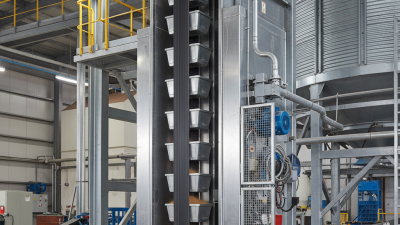
When selecting a Bucket Elevator, careful consideration is crucial. Choosing the right model can impact efficiency and productivity. A Bucket Elevator is essential in various industries, transporting materials quickly and safely.
Understanding your specific needs is key. Different applications require different specifications. Factors such as capacity, height, and material type play a significant role in this decision. Some may overlook the importance of maintenance and wear resistance, leading to unexpected costs.
Consulting with industry experts can provide valuable insights. Their experience ensures you make informed choices. This can prevent costly mistakes in the future. Remember, it’s not just about the purchase; it’s about long-term performance and reliability. Take your time to evaluate all options carefully. Your choice of Bucket Elevator can define your operational success.
Understanding the Different Types of Bucket Elevators Available
When selecting a bucket elevator, it's crucial to understand the various types available. Bucket elevators can be classified into two main categories:
centrifugal discharge and continuous discharge. According to industry reports, centrifugal elevators work well for bulk materials with free-flowing properties, while continuous elevators are better suited for fragile products.
Consider the material of the buckets. Plastic, metal, or rubber buckets each have their advantages. For instance, metal buckets are robust, yet they can be heavy. This could lead to unnecessary wear and inefficiencies. On the other hand, plastic buckets are lighter and resistant to corrosion but may not handle heavy loads as well.
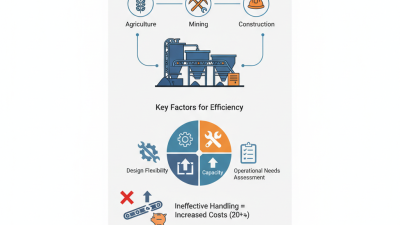
Tip: Assess your material's flow properties. This will help determine which elevator type is ideal. Research indicates that improper selection can lead to increased maintenance costs and downtime. The right choice can boost productivity by up to 25%, according to recent data.
Don’t overlook the height and capacity requirements. Customization is often necessary. Each facility has unique needs that off-the-shelf solutions may not address. A tailored approach can enhance performance and operational reliability.
However, some choices might require additional investment upfront, which could be a point of hesitation. Understanding these nuances is essential for making an informed decision.
Evaluating Material Handling Capacity for Your Specific Needs
When evaluating material handling capacity for your specific needs, consider the volume and type of materials you need to transport. Different materials may require different bucket designs and sizes. For instance, lighter materials like grains might not need as rugged a construction as heavier ones like minerals. This difference can significantly affect the efficiency and longevity of your equipment.
One essential tip is to assess the maximum throughput required for your operation. This involves calculating the amount of material you need to move within a specific time frame. Next, consider the height and distance the material needs to travel. A taller elevator might require a more powerful motor, impacting your energy costs. Innovation in elevator design can help, but not all solutions are one-size-fits-all.
It's also crucial to factor in maintenance requirements. Regular checks ensure reliability, but some designs are easier to maintain than others. Reliability is as important as capacity. If an elevator frequently breaks down, overall productivity will suffer. Investment in training for staff handling these machines may help reduce errors and increase safety. Ultimately, making informed decisions about your specific needs will lead to better outcomes.
10 Essential Tips for Choosing the Right Bucket Elevator
| Tip Number |
Tip |
Considerations |
Material Types |
Capacity Range (TPH) |
| 1 |
Assess Material Characteristics |
Understand density, moisture content, and abrasiveness. |
Grains, Powder, Granules |
5-50 |
| 2 |
Determine Elevator Height |
Measure current infrastructure and required elevation. |
Cement, Coal |
10-100 |
| 3 |
Evaluate Space Constraints |
Ensure it fits within the operational layout. |
Bulk Materials |
20-200 |
| 4 |
Consider Maintenance Requirements |
Plan for accessibility and service timelines. |
Recyclables, Agri-products |
15-150 |
| 5 |
Select Appropriate Bucket Design |
Choose based on the material flow and properties. |
Granular, Clumpy |
30-300 |
| 6 |
Analyze Speed Requirements |
Consider required throughput and material handling speed. |
Powdered, Cohesive materials |
10-100 |
| 7 |
Efficient Power Consumption |
Check energy consumption vs output. |
Fertilizers, Minerals |
25-250 |
| 8 |
Consider Safety Features |
Features to prevent falls, spills, and material damage. |
Hazardous materials |
5-75 |
| 9 |
Explore Customization Options |
Adapt designs to specific material and facility needs. |
Various materials |
20-200 |
| 10 |
Budget Considerations |
Ensure alignment with operational budget and ROI. |
All types |
10-500 |
Assessing the Bucket Elevator's Design and Configuration
When considering a bucket elevator, the design and configuration are crucial factors. An effective bucket elevator must be suited to the material being transported. Different materials require specific bucket designs and sizes. For instance, bulk solids may need wider buckets, while fine powders require narrower designs. This specificity ensures efficient material handling and reduces spillage.
The configuration of the elevator also matters. The incline angle affects energy consumption and material flow. A steep incline may save space but can cause material degradation. Assessing your operational needs will help in choosing the right configuration. Additionally, the choice of the drive mechanism can influence efficiency. Reliable drive components minimize downtime and maintenance costs, which is essential for prolonged operations.
It's important to remember that not every design will work for all applications. Testing different configurations can reveal unexpected challenges. An elevator that works in one scenario may struggle in another. Regular evaluation and adaptation can lead to improvements in performance and reliability. Always seek input from experts in material handling to guide your decision. Their insights can prevent costly mistakes later on.
Considering Maintenance and Safety Features in Selection
When selecting a bucket elevator, maintenance and safety features are critical. Regular maintenance is essential to ensure longevity and efficiency. Look for designs that allow easy access to components for inspections. Ideally, the elevator should come with clear maintenance guidelines. This minimizes unexpected downtime.
Safety features are equally important. Consider material options that resist corrosion and wear. Guards should be included to prevent accidents. Sensors that monitor performance can alert you to issues before they escalate. While some might overlook these aspects, they are vital for a safe work environment.
Reflect on the layout of your operation. A poorly integrated elevator can lead to accidents. Evaluate how the elevator interacts with other equipment. Poor design can cause bottlenecks. Therefore, investing time in assessing maintenance and safety features pays off in the long run.
Analyzing Cost-Effectiveness and Return on Investment for Options
When evaluating bucket elevators, cost-effectiveness stands out as a crucial factor. It’s vital to analyze not just the initial purchase price but also the long-term operational costs. A lower upfront cost may result in higher maintenance expenses or shorter service life. To achieve a true understanding of return on investment, it's essential to consider factors like efficiency and energy consumption.
Operational efficiency often determines how much product can be moved in a given time frame. A well-designed bucket elevator can drastically reduce operational downtime. However, if the elevator is prone to breakdowns, the savings shrink. It's important to consider the total cost of ownership, which combines purchase price, installation, maintenance, and energy costs over its working life.
Accurate assessments require thorough research. Installation costs can also vary widely; sometimes hidden costs arise. Potential users should weigh the benefits against potential risks. Choosing the right design might require expert consultation, especially for specialized applications. Don’t overlook the importance of vendor support. A reliable manufacturer offers guidance that can mitigate future issues and costs. These elements contribute directly to the overall value of your investment in a bucket elevator system.
Cost-Effectiveness Analysis of Different Bucket Elevator Options
This chart depicts the cost-effectiveness score for various bucket elevator options based on a comprehensive analysis. The higher the score, the better the option is expected to perform in terms of cost-effectiveness and return on investment.