Leave Your Message

What is a Bucket Elevator and How Does it Work?

A Bucket Elevator is a crucial conveyor system used in various industries. It efficiently carries bulk materials from one level to another. Understanding its mechanics can optimize productivity and safety in your operations.

Bucket Elevators consist of buckets attached to a belt or chain. They move materials vertically or at an incline. The design allows for handling grains, ores, and powders with ease. However, improper installation or maintenance can lead to failures, creating operational disruptions.

Incorporating a Bucket Elevator can enhance your material handling process. Knowledge of their working mechanism improves efficiency. An expert installation ensures reliability and longevity. Reflecting on their operational challenges can lead to better solutions in material transport.
What is a Bucket Elevator and How Does it Work?

What is a Bucket Elevator?

What is a Bucket Elevator and How Does it Work?

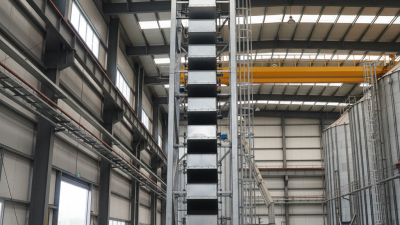
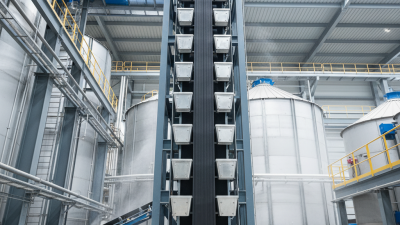
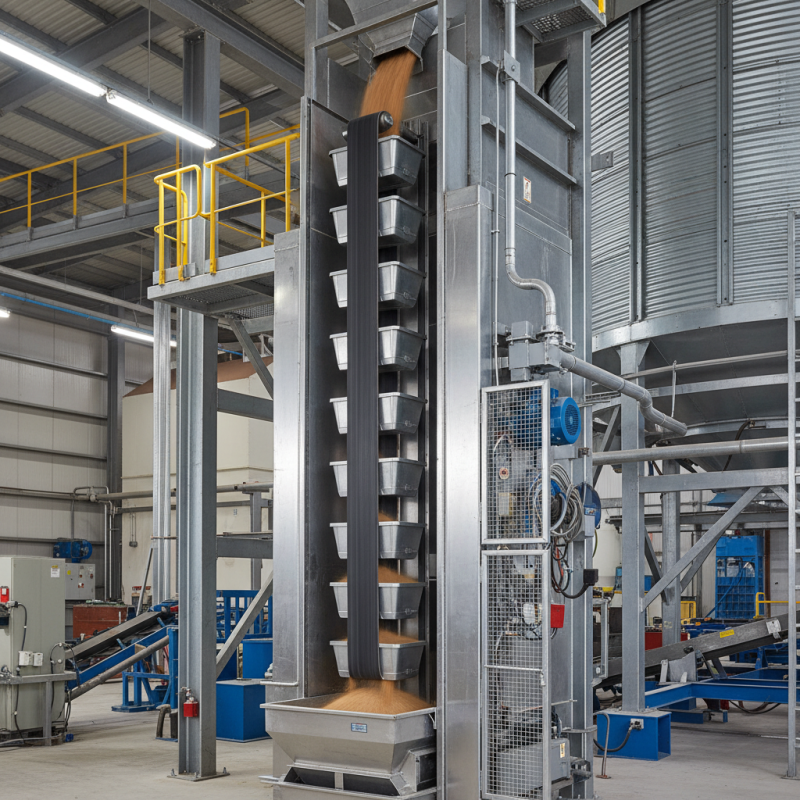
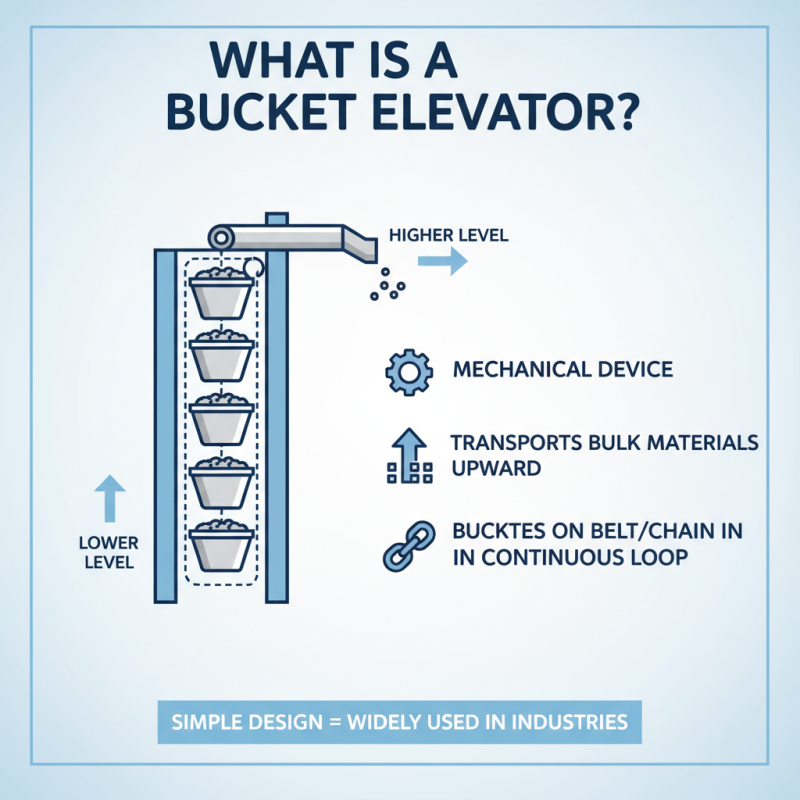
A bucket elevator is a mechanical device used for transporting bulk materials. It consists of a series of buckets attached to a belt or chain. These buckets move in a continuous loop, carrying material from a lower level to a higher one. The simplicity of its design makes it a popular choice across various industries.

In operation, the buckets fill at the base of the elevator. As the belt or chain moves upward, the material is held securely in each bucket. At the top, the buckets tilt, allowing the material to discharge. This process is efficient for handling grains, powders, and even some granular materials. Despite its efficiency, maintenance is essential. Wear and tear can lead to abrupt breakdowns, affecting productivity.

Bucket elevators can be custom-built for specific tasks. The choice of materials for buckets and chains is crucial. Depending on the application, some may find that the performance does not meet expectations. This highlights the importance of careful calculation and planning prior to installation. Each site has unique needs, which requires a tailored approach.
Key Components of a Bucket Elevator

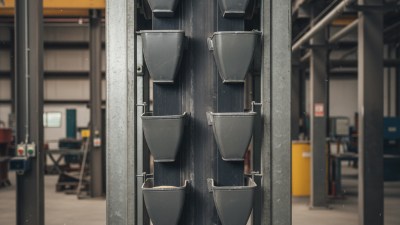
Bucket elevators are essential in various industries for vertical material handling. Understanding their key components is crucial for efficiency and reliability. The primary assembly includes the buckets themselves, which lift bulk materials. These buckets are typically made of durable materials to withstand heavy loads and harsh conditions.

Another vital part is the belt or chain that connects the buckets, allowing them to move in a continuous cycle. A well-designed belt ensures that the system can handle the stress of material lifting without failure. In addition, the head and boot sections facilitate the material transfer process, ensuring smooth operation. Often, these sections must be reinforced to handle wear and tear over time.

Maintenance and regular inspections are essential for prolonged operation. Many operators might overlook minor issues, which can lead to larger problems. Ensuring proper alignment and tension of the belt or chain is critical. Small adjustments can make a significant difference in performance. Understanding these components helps optimize the function of bucket elevators and can ultimately save costs in the long run.

How Bucket Elevators Operate Mechanically

Bucket elevators are essential in various industries for transporting bulk materials. They operate on a straightforward mechanical principle, which makes them reliable for vertical lifting. The primary components include buckets, a belt or chain, and a drive mechanism.

Mechanically, bucket elevators start with a motor that drives a belt or chain. This belt or chain loops around pulleys. As the motor turns, it rotates the belt, elevating the attached buckets. The buckets scoop up the materials from the bottom and carry them upward. At the top, materials are discharged into a designated area. This cycle repeats continuously.

Maintenance is crucial for optimal performance. Worn-out belts or damaged buckets can cause inefficiencies. Regular inspections and timely replacements help avoid unexpected breakdowns. Operators need to monitor the system closely. Sometimes, even minor misalignments can lead to significant operational issues. Attention to these details enhances performance and reliability.

What is a Bucket Elevator and How Does it Work? - How Bucket Elevators Operate Mechanically

Aspect Description Key Features
Definition A Bucket Elevator is a mechanical device used to transport bulk materials vertically. Vertical lifting, Efficient for bulk materials
Components Includes buckets, conveyor belt or chain, casing, and drive unit. Durable buckets, Strong drive units
How it Works The buckets are filled with material at the base and lifted to the top where they discharge the contents. Continuous operation, High capacity
Applications Used in agriculture, mining, construction, and various industries to convey materials. Versatile applications, Industry-specific designs
Maintenance Regular inspection of the chain/belt, lubrication, and bucket integrity checks are essential. Minimized downtime, Improved longevity

Applications and Uses of Bucket Elevators

Bucket elevators play a crucial role in various industries. They are designed to transport bulk materials vertically. This makes them ideal for operations in manufacturing, agriculture, and mining. Their design consists of a series of buckets attached to a conveyor belt. This setup allows for the efficient lifting of materials such as grains, coal, and minerals.

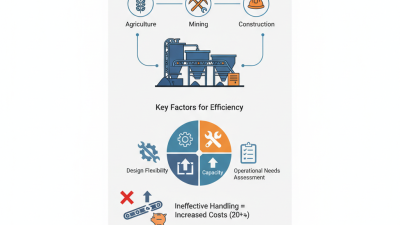
In agriculture, bucket elevators are often used for handling grains. They help in moving harvested crops from fields to storage facilities. In the mining sector, these elevators transport ores from underground levels to the surface. The construction industry utilizes them to move materials like cement and sand. Each application requires careful consideration of the elevator’s capacity and speed. Selecting the right bucket size and material is essential.

Despite their advantages, bucket elevators can face challenges. Maintenance is crucial for ensuring reliability. If not maintained properly, issues can arise, such as misalignment or broken buckets. Operators must be aware of potential wear and tear. Regular inspections can help in identifying problems early. These considerations are vital for maximizing efficiency in material handling processes.

Advantages of Using Bucket Elevators in Material Handling

Bucket elevators are essential in material handling. They transport bulk materials vertically, maximizing space efficiency. These systems handle various materials, from grains to aggregates, with ease and reliability.

One significant advantage of bucket elevators is their ability to reduce labor costs. Automation minimizes the need for manual handling. This decreases the risk of injury and increases productivity. Additionally, bucket elevators operate in confined spaces, making them ideal for facilities with limited room. They can also be tailored to meet specific needs.

However, potential drawbacks exist. Regular maintenance is necessary to ensure optimal performance. Neglecting this can lead to breakdowns and increased costs. It’s essential to invest time and resources in training staff on proper operation. Adopting a proactive approach can mitigate these concerns. Bucket elevators offer proven benefits when used thoughtfully and managed effectively.

Comparison of Bucket Elevator Advantages in Material Handling

This chart illustrates the various advantages of bucket elevators in material handling, highlighting their efficiency, low maintenance requirements, space-saving design, versatility, and cost-effectiveness. Each advantage is represented by corresponding percentage scores based on their perceived benefits in industrial applications.