2026 How to Choose the Best Belt Bucket Elevator for Your Needs?
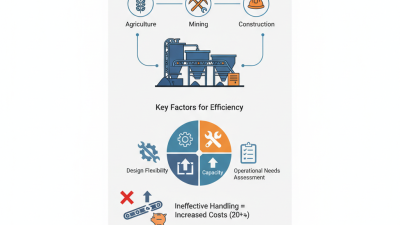
Selecting the right Belt Bucket Elevator for your operations can be challenging. With numerous options available, understanding your specific needs is essential. A Belt Bucket Elevator efficiently transports materials, making it vital for industries like mining, agriculture, and manufacturing. However, the wrong choice can lead to inefficiencies and increased costs.
Consider factors such as material type, capacity, and height requirements. Each application may demand a unique design. For instance, heavy, abrasive materials require robust construction. On the other hand, delicate materials need a gentler approach. By analyzing these details, you can better identify the optimal solution for your business.
Reflecting on the selection process can reveal common pitfalls. Many buyers focus solely on price, overlooking critical features. It is crucial to prioritize quality and durability over cost. The right Belt Bucket Elevator should combine efficiency with longevity. Ultimately, making an informed choice can significantly impact your operational success.
Understanding the Basics of Belt Bucket Elevators
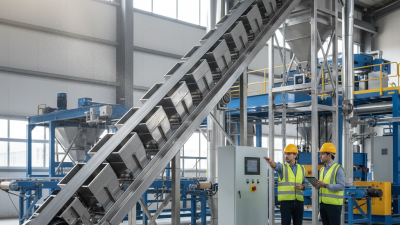
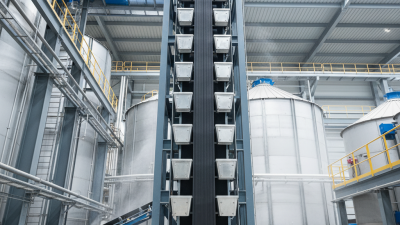
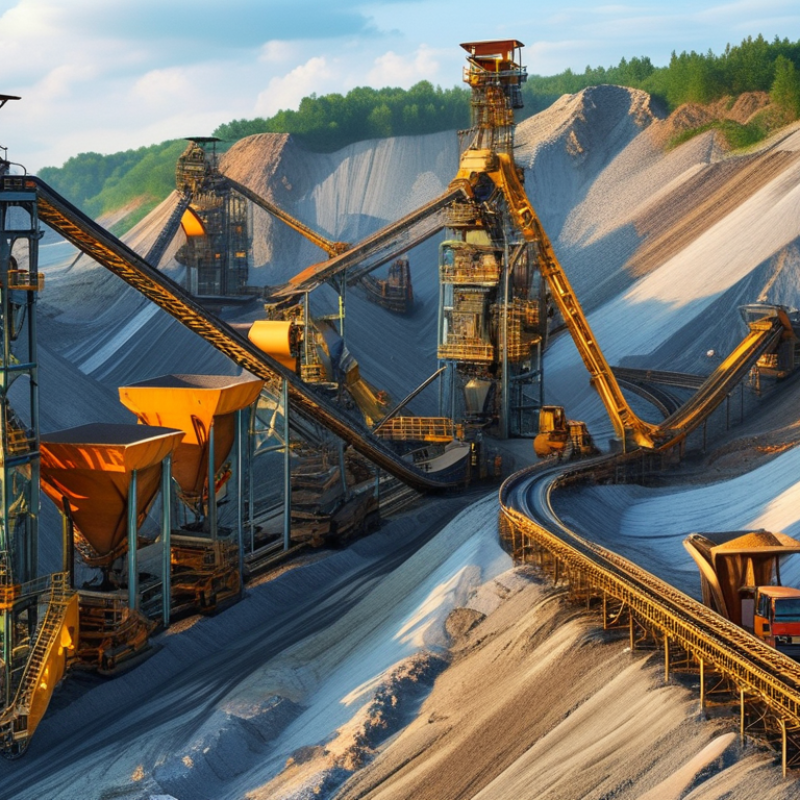
Belt bucket elevators play a crucial role in various industries, transporting bulk materials efficiently. Understanding their fundamentals is essential for making informed decisions. These elevators consist of a belt, buckets, and a drive pulley. The belt is vital, as it endures significant tension and wear. According to recent industry reports, the global belt bucket elevator market is projected to grow at a CAGR of 5.6% by 2030, highlighting their increasing significance.
Choosing the right type can seem overwhelming. Factors to consider include material type, bucket design, and capacity. For instance, heavy materials necessitate robust belts and reinforced buckets. Inadequate bucket sizing can lead to spillage and inefficiency. A study from 2022 highlights that nearly 25% of private elevator operations reported issues related to improper bucket configuration. Such statistics emphasize the importance of thorough research before selection.
Furthermore, maintenance cannot be overlooked. Regular inspections can mitigate unexpected downtime. It’s noted that about 20% of failures arise from neglected maintenance. This points to the need for a reliable maintenance schedule. Users should also analyze their specific needs and workflow before deciding. Not all designs suit all applications, and misjudgments can result in operational losses. Understanding these complexities ensures better performance and longevity of the equipment.
Identifying Your Material Handling Requirements
When selecting the best belt bucket elevator, it's crucial to identify your material handling requirements. Different materials have unique characteristics that impact how they should be transported. For example, abrasive materials demand heavier-duty belts to withstand wear. In contrast, lightweight products may require more flexible systems for efficient handling.
You should consider the material's flow properties. Is it free-flowing or does it have a tendency to clump? This will dictate the elevator design. Moreover, specifics like bulk density and moisture content influence the choice. A precise understanding of your materials can enhance operational efficiency.
Evaluating space constraints is equally important. An elevator must fit within the designated area without disrupting other operations. Furthermore, it’s essential to reflect on maintenance needs. Regular upkeep ensures longevity but varies by design. Being aware of these subtleties can markedly improve your selection process.
Material Handling Requirements for Belt Bucket Elevators
This chart illustrates the typical material types and their corresponding bulk density (in kg/m³) that influence the choice of a belt bucket elevator. Understanding these requirements is essential for selecting the best equipment for your specific needs.
Evaluating Different Types of Belt Bucket Elevators
When evaluating different types of belt bucket elevators, it’s crucial to consider the application and material being handled. Belt bucket elevators are designed for efficiently transporting bulk materials vertically. According to recent industry data, over 60% of manufacturing facilities use these elevators for various materials, including grains, fertilizers, and aggregates. The choice of elevator depends largely on the specifics of the material, such as granule size and temperature tolerance.
The construction of the belt is another vital factor. Some belts are built for heavy-duty operations, while others may not withstand high-stress conditions. Research indicates that using a belt with inadequate strength can lead to frequent replacements, escalating operational costs by nearly 20%. This aspect underscores the importance of assessing the requirements closely. Moreover, the bucket size and spacing influence the elevator's overall efficiency. Larger buckets can transport greater volumes, but may result in increased wear and tear, prompting a need for regular maintenance.
In addition, understanding the environment where the elevator will operate is essential. For instance, high humidity levels can lead to rusting components, which may not be evident until failure occurs. Regular inspections are vital, but they are often overlooked. Industry experts recommend developing a maintenance schedule tailored to the specific elevator type and the operational environment. Ignoring these factors can lead to unexpected downtimes and cost overruns.
Key Features and Specifications to Consider
Choosing the right belt bucket elevator involves understanding its key features and specifications. These elements are crucial for maximizing performance in your operation. For instance, the capacity is often a primary consideration. An average belt bucket elevator can handle around 200 tons per hour. However, specific systems can reach capacities as high as 500 tons based on design and application.
Another critical factor is the material of construction. Most elevators use steel for durability, but polymers are gaining traction for their lightweight and corrosion-resistant properties. This choice affects both longevity and maintenance needs. According to industry reports, up to 20% of operational costs can be attributed to maintenance and repairs. Poor materials can exponentially increase this cost.
The elevator's design also matters. Depending on your layout, opting for a model with a compact design can save space. Flexibility in installation is often overlooked but is vital. Operators might find themselves revising layouts or adding equipment. Therefore, having a versatile design can enhance adaptability.
It’s common for many companies to experience growth pains, necessitating adjustments to existing systems. Proper planning and consideration of these specifications can lead to significant long-term savings and improved efficiency in your material handling operations.
Maintenance and Support: Ensuring Long-Term Performance
When selecting a belt bucket elevator, maintenance and support play a critical role in ensuring longevity and efficiency. Regular maintenance can prevent unexpected downtime. According to industry reports, proper care can extend the lifespan of an elevator by up to 30%. This significant figure highlights the importance of scheduled inspections and timely repairs.
Tips: Schedule maintenance every six months. Use quality components to minimize wear. Keep a log of all maintenance activities.
Neglecting support can lead to performance issues. Operators often overlook small problems, which can escalate quickly. Data shows that over 20% of belt failure cases result from inadequate maintenance. Understanding common wear patterns can aid in early detection. Regular checks on the belt condition are essential.
Tips: Monitor belt tension regularly. Inspect the bucket and casing for damage. Invest in training for your team.
Ultimately, a proactive approach to maintenance not only ensures operational efficiency but also enhances safety. Equip your facility with the knowledge needed to tackle potential challenges. Well-maintained elevators will outperform their neglected counterparts.