China Top Collector Dust Innovations and Trends in the Industry?
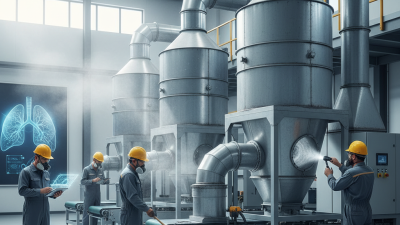
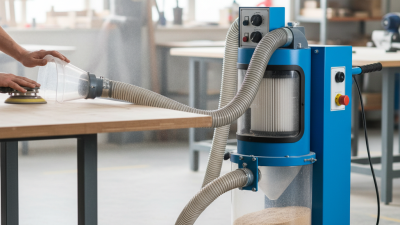
Collector dust management is an essential aspect of various industries. Companies in China are leading the way in innovative solutions to address this growing challenge. As air quality regulations tighten and environmental awareness rises, effective collector dust systems are more crucial than ever.
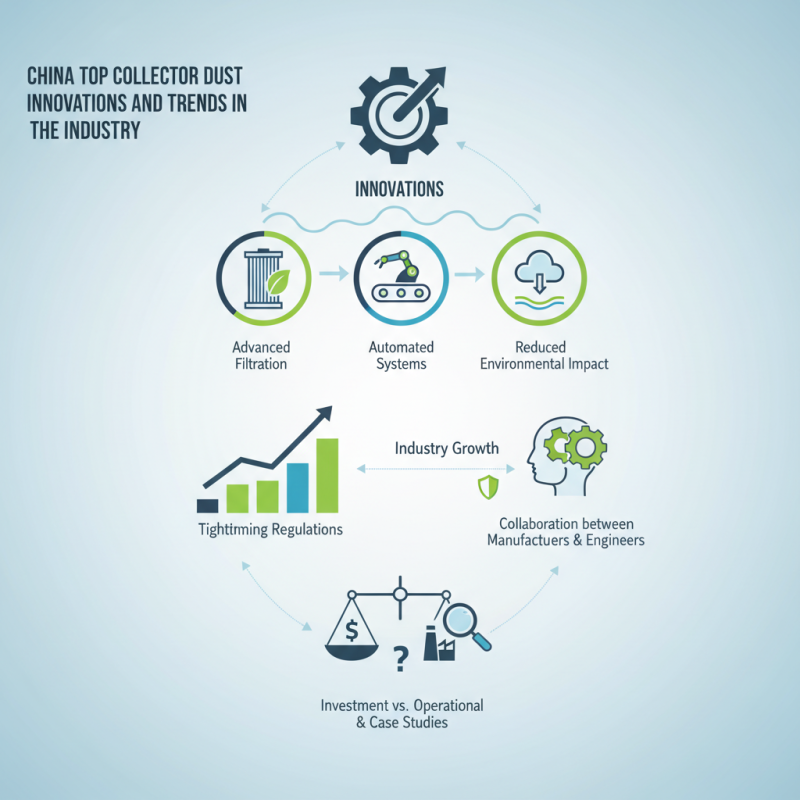
Recent trends indicate a shift towards advanced filtration technologies and automated systems. These innovations enhance efficiency while reducing environmental impact. However, the industry still faces challenges. Many businesses struggle to implement these new technologies due to high initial costs. Balancing investment and operational efficiency requires strategic planning.
Furthermore, collaboration between manufacturers and engineers is key. While expertise exists, gaps in communication often hinder progress. Companies must focus on reliable data and case studies to build trust in new solutions. As the collector dust management landscape evolves, staying informed and adaptable is vital for success. Integrating new ideas holds the potential for significant improvements but needs careful consideration of feasibility and sustainability.
China's Growing Market for Dust Collection Technologies
China's market for dust collection technologies is experiencing rapid growth. According to a report by MarketsandMarkets, the dust collection system market in China is projected to reach $6.8 billion by 2025. This surge can be attributed to the increasing emphasis on environmental standards and worker safety. Industries such as manufacturing, pharmaceuticals, and food processing are driving this demand.
The emergence of new technologies in dust collection is noteworthy. Innovations like electrostatic precipitators and cyclonic separators are becoming more prevalent. These methods not only improve efficiency but also reduce energy consumption. Reports suggest a 15% reduction in energy usage when adopting advanced dust collection systems. However, challenges remain. Many facilities still rely on outdated systems that do not meet current regulations.
Investment in research and development is crucial. A McKinsey report indicates that only 20% of companies invest adequately in dust control technologies. The gap between potential and current adoption signifies a need for improvement. There is also a lack of skilled professionals in this sector. This skills shortage can hinder growth, making it essential to focus on training and education in dust collection technologies.
Key Innovations in Dust Collector Design and Functionality
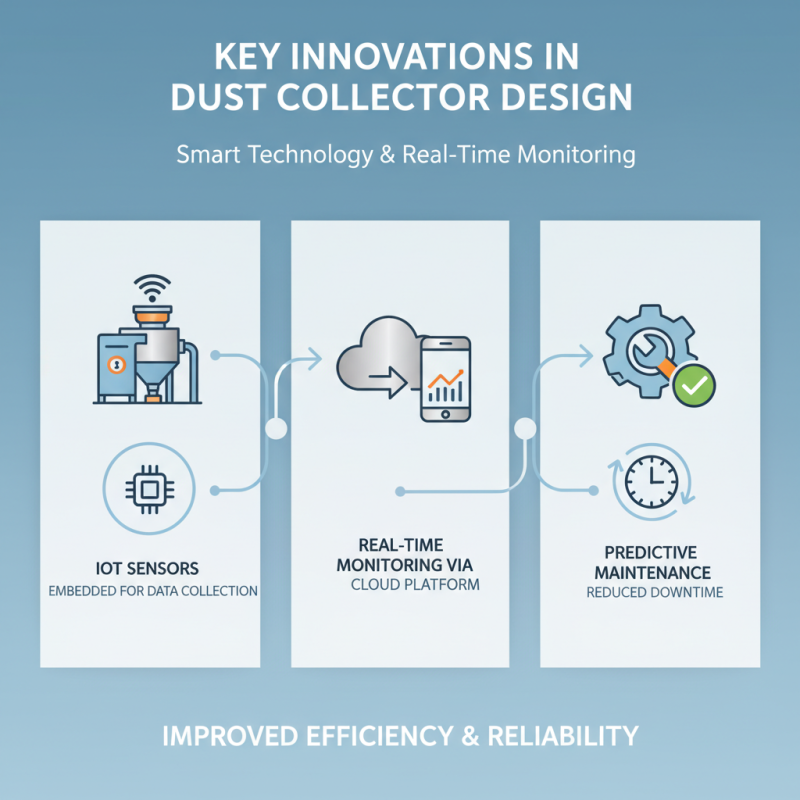
Dust collectors have evolved significantly in recent years. New designs focus on improved efficiency and functionality. One major trend is the use of smart technology. Dust collectors fitted with IoT sensors allow for real-time monitoring. This can help identify when maintenance is needed, preventing downtime.
Another innovation is the use of next-generation filter materials. These materials enhance filtering capabilities and improve air quality. Some designs now incorporate self-cleaning mechanisms, which reduce manual labor. However, these advanced systems often come with higher initial costs, prompting discussions about economic feasibility.
Energy-efficient models are gaining traction as well. They consume less power without compromising performance. Yet, the balance between cost and savings requires careful consideration. As the industry progresses, reflecting on these developments helps ensure a sustainable future for dust collection.
Trends Shaping the Future of Dust Collection Industry in China
The dust collection industry in China is evolving rapidly. Recent reports indicate that the market is expected to grow by 6.3% annually until 2025. This growth is driven by stricter regulations on air quality and increased awareness of health risks associated with dust exposure. Many industries are investing in advanced dust collection technologies to improve efficiency.
Innovations are appearing in automated systems that enhance the effectiveness of dust removal. Sensors and smart technology are becoming commonplace, enabling real-time monitoring of dust levels. These changes are not just about compliance; they also focus on operational savings and workplace safety. However, adapting to new technologies can pose challenges, such as initial costs and training needs.
**Tip:** When considering upgrades, evaluate both short-term investments and long-term benefits.
User awareness is crucial. Education about the types of dust and their hazards can drive proactive measures. The shift towards eco-friendly solutions is another trend. Companies are seeking materials that reduce environmental impact while maintaining efficiency. Yet, navigating the balance between cost and sustainability can be daunting.
**Tip:** Regular assessments of existing systems can uncover hidden inefficiencies.
The future points to a smarter, greener dust collection industry. Yet, many players still struggle with inertia regarding change. Staying informed and adaptable is necessary for survival in this dynamic landscape.
Challenges Faced by the Dust Collection Sector in China
The dust collection sector in China faces significant challenges. Rapid industrial growth has increased dust emissions, pushing the need for more efficient collection systems. According to recent reports, the market is projected to grow by 6% annually, highlighting a heightened demand for innovation.
One persistent issue is the aging infrastructure in many facilities. Older systems are often less effective at capturing fine particles, leading to health and environmental risks. A study indicated that over 60% of industrial sites do not meet safety standards regarding dust emissions. Addressing these gaps requires substantial investment and expertise, which can be a formidable barrier for smaller companies.
Moreover, regulatory pressure is increasing. The Chinese government has implemented stricter regulations aimed at reducing air pollution. Compliance can be difficult, especially for older plants. Industry experts suggest that companies must adopt new technologies while also upgrading outdated systems. This dual approach is essential for sustainable development and worker safety. The challenges are real, but so is the opportunity for innovation in dust collection solutions.
Challenges Faced by the Dust Collection Sector in China
Impact of Environmental Regulations on Dust Collector Improvements
Environmental regulations are shaping the dust collector industry in profound ways. Stricter air quality standards have driven manufacturers to innovate. Companies are now focusing on sustainable materials and efficient designs. This shift promotes cleaner production processes. These regulations ensure that dust collectors are not just effective, but also environmentally friendly.
The impact of these regulations can be seen in the technologies emerging in the market. For instance, the development of advanced filter materials enhances dust capture efficiency. Many facilities are adopting smart sensors to monitor dust levels in real-time. This technology helps in adjusting operational parameters. However, implementing these innovations can be costly and complex for many organizations.
While the direction is promising, challenges remain. Compliance with evolving regulations sometimes leaves companies scrambling. There is a need for continuous education and adaptation. Organizations must navigate the landscape of changing laws and consumer expectations. Balancing efficiency and sustainability is crucial but may not be easy. It requires a persistent commitment to improvement and reflection.
China Top Collector Dust Innovations and Trends in the Industry - Impact of Environmental Regulations on Dust Collector Improvements
| Year |
Innovation Type |
Description |
Environmental Impact |
Regulation Type |
| 2020 |
Advanced Filtration Media |
Use of nanofibers for improved dust capture. |
Lower particulate emissions. |
PM2.5 Reduction Regulation |
| 2021 |
Smart Dust Collectors |
Integration of IoT for real-time monitoring. |
Increased operational efficiency. |
Energy Consumption Standards |
| 2022 |
Electrostatic Precipitators |
Enhanced technology for fine particle removal. |
Significant reduction in smoke emissions. |
Clean Air Act Amendments |
| 2023 |
High-Efficiency Cyclones |
Cyclone designs with increased separation efficiency. |
Reduced energy consumption and emissions. |
Industrial Emission Standards |