Top 10 Benefits of Blow Film Extrusion Machines for Buyers?
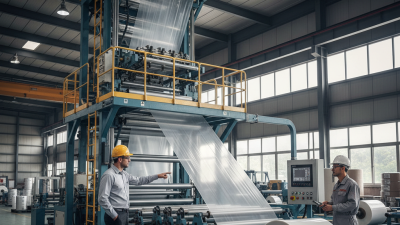
The global plastic film market continues to grow, with an expected CAGR of 4.6% from 2021 to 2028. As companies compete for efficiency, many turn to advanced technologies like the Blow Film Extrusion Machine. This equipment has revolutionized the way plastic films are produced, allowing manufacturers to achieve superior quality and reduced waste.
According to Dr. Emily Stanton, a leading expert in polymer engineering, "Blow Film Extrusion Machines are the backbone of modern film production." This technology provides benefits such as enhanced film clarity, better puncture resistance, and cost savings on raw materials. The ability to easily switch between film types is also crucial for businesses facing changing market demands.
However, not all machines are created equal. Factors such as machine design, material compatibility, and service support must be carefully considered. Investments in Blow Film Extrusion Machines should be strategically evaluated to ensure they meet specific operational needs. As the industry evolves, ongoing education and adaptation to new techniques are vital for success.
Advantages of Blow Film Extrusion Machines in the Packaging Industry
Blow film extrusion machines play a vital role in the packaging industry, offering numerous advantages that enhance production efficiency. These machines can produce high-quality films rapidly, with a report by MarketsandMarkets stating that the global market for blown film extrusion is expected to exceed $3 billion by 2025. This growth reflects their significance in creating packaging materials, from wrappers to bags.
The versatility of blow film extrusion machines allows for various applications. They can manufacture films with different thicknesses and properties, meeting diverse market demands. Furthermore, some studies indicate that businesses utilizing these machines experience a 25% reduction in material waste. This efficiency creates a more sustainable production chain, promoting eco-friendly practices in packaging.
However, the initial investment for blow film technology can be substantial. Small to mid-sized businesses may find this cost challenging. Additionally, the required maintenance demands skilled operators, which can be a barrier for some companies. Balancing these factors is crucial when considering the adoption of blow film extrusion technology. Despite these challenges, the potential benefits in efficiency and sustainability make it a compelling choice for many in the industry.
Enhanced Production Efficiency with Blow Film Extrusion Technology
Blow film extrusion technology significantly boosts production efficiency in the plastics industry. This method forms thin films that are crucial for packaging materials. The process is swift, reducing cycle times and increasing output. It allows for the continuous production of high-quality films, catering to various applications.
Tips: Always assess your equipment's capacity before purchase. Understand your production needs clearly. Regular maintenance is essential for optimal performance.
Efficiency is not just about speed. It also involves minimizing waste and energy consumption. With advanced blow film extrusion machines, manufacturers can achieve precise thickness control. This leads to better resource utilization. However, operators must be trained properly to avoid common pitfalls.
Tips: Invest in training for your staff. Well-trained operators run machines more efficiently. Consider implementing feedback loops for continuous improvement. Evaluate your sourcing materials regularly. Aim for reliable inputs that enhance overall quality.
Cost-Effectiveness of Using Blow Film Extrusion Machines
Blow film extrusion machines play a crucial role in the plastic manufacturing industry. Their cost-effectiveness makes them attractive for many buyers. According to a report by Smithers Pira, the global demand for flexible plastic packaging is projected to reach $300 billion by 2024. This shift emphasizes the importance of efficient production methods, such as blow film extrusion.
These machines reduce material waste significantly. They utilize advanced technology to minimize scrap production during the manufacturing process. Businesses can save up to 25% on raw materials by implementing blow film extrusion. This conversion efficiency translates to tangible savings over time. Additionally, the versatility of blow films allows manufacturers to produce various thicknesses and sizes to suit specific needs, further enhancing profitability.
Tip: Regular maintenance of extrusion machines is crucial. Implement a routine check-up schedule to avoid costly downtime.
Investing in blow film extrusion machines also leads to energy savings. The latest models are designed to consume less energy while operating at high speeds. Reports indicate that energy costs can be reduced by 30% with modern systems. Sustainability becomes more achievable as companies lower their carbon footprint. However, buyers should consider the initial investment carefully. Proper budgeting can lead to significant long-term benefits.
Tip: Evaluate total cost of ownership before purchasing. Ensure the machine's output aligns with your production goals. This foresight helps in making a well-informed decision.
Top 10 Benefits of Blow Film Extrusion Machines for Buyers
| Benefit |
Description |
Cost-Effectiveness |
| High Efficiency |
Produces films at a rapid rate, maximizing production time. |
Reduces labor costs per unit produced. |
| Material Versatility |
Can process a variety of polymers, enhancing product range. |
Less investment in multiple machines for different materials. |
| Custom Film Thickness |
Ability to adjust thickness according to end-user needs. |
Minimizes material waste and costs. |
| Consistent Quality |
Uniform film production reduces customer complaints. |
Saves costs associated with returns and rework. |
| Reduced Energy Use |
Modern machines are designed for lower energy consumption. |
Lowers operational expenses significantly. |
| Compact Design |
Space-saving design that fits easily into production lines. |
Reduces the need for large facilities. |
| Automated Controls |
Advanced automation enhances production precision. |
Decreases the likelihood of human error. |
| Flexibility in Production |
Easily switch between different product configurations. |
Greater adaptability to market demands. |
| Lower Maintenance Costs |
Durable construction leads to longer machine life. |
Fewer repairs increase profitability. |
| Environmental Benefits |
Some machines offer recyclable film options. |
Appeals to eco-conscious consumers, enhancing marketability. |
Versatility of Blow Film Extrusion in Various Applications
Blow film extrusion machines are remarkably versatile, serving a wide range of industries. These machines can produce films used in packaging, agriculture, and construction. According to a recent market analysis, the global blown film extrusion market is expected to reach USD 14 billion by 2025. This growth highlights the demand for high-quality films that meet various application requirements.
One significant advantage is their ability to create films of different thicknesses and widths. This flexibility allows manufacturers to tailor products for specific needs. For instance, agricultural films require UV protection, while food packaging films must maintain freshness. The precision of blow film extrusion aligns with these stringent requirements, ensuring high performance.
Tip: When selecting a blow film extrusion machine, assess your production volume. High-speed models can significantly enhance efficiency. Additionally, consider the types of materials you will be processing. Some machines work better with specific resins or blends.
Another area where blow film extrusion shines is in the sustainability sector. Manufacturers are increasingly focusing on biodegradable and recyclable films. This move is driven by growing environmental awareness among consumers. However, not all machines can produce these materials effectively, requiring a careful evaluation of capabilities.
Tip: Research the supplier’s expertise in sustainable materials. This knowledge will ensure you choose a machine that meets future demands. Keep in mind, however, that transitioning may involve upfront investments and training.
Top 10 Benefits of Blow Film Extrusion Machines for Buyers
Blow film extrusion machines offer a range of benefits that enhance productivity and versatility in various applications. The following chart illustrates the top benefits as perceived by buyers.
Environmental Benefits of Blow Film Extrusion Processes
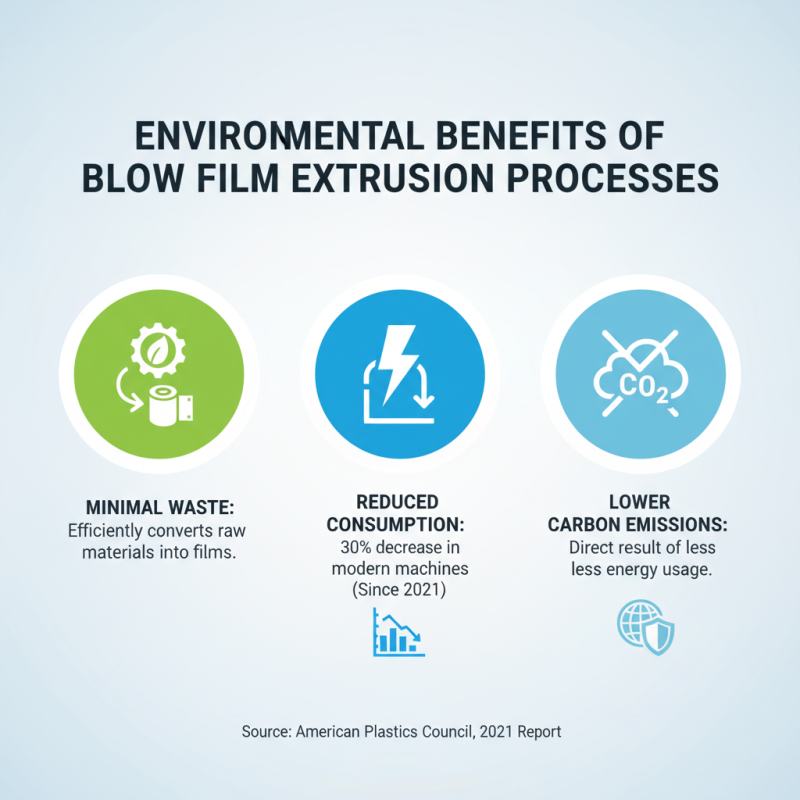
Blow film extrusion processes are increasingly recognized for their environmental benefits. These systems efficiently convert raw materials into films with minimal waste. According to a 2021 report from the American Plastics Council, the energy consumption of modern extrusion machines has decreased by 30% in recent years. This reduction is crucial in addressing climate change, as less energy usage translates directly into lower carbon emissions.
Moreover, blow film extrusion machines are capable of recycling. They can utilize post-consumer recycled materials, significantly contributing to the circular economy. Research shows that using recycled content in film production can lower greenhouse gas emissions by up to 70%. However, not all machines can process these materials effectively. Buyers must focus on machines that are equipped for this task.
Despite these advantages, challenges remain. The reliance on fossil fuels for certain materials continues to raise concerns. The industry must innovate even further to address these issues. The transition to bio-based polymers is one solution worth exploring. Integration of such materials could radically shift the sustainability landscape. As buyers weigh their options, understanding these nuances is key to making informed decisions in the evolving market of blow film extrusion.