Best Industrial Robot Solutions for Global Buyers?
In today's rapidly evolving industrial landscape, the demand for innovative and efficient solutions is paramount. Industrial robots have become essential in optimizing production processes. They enhance precision, reduce errors, and streamline workflows across various sectors. Global buyers are increasingly turning to these advanced technologies to stay competitive.
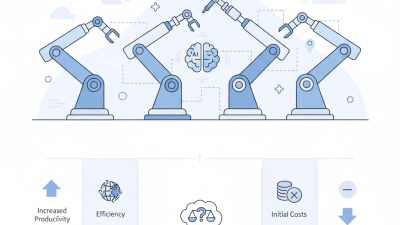
This article explores the best industrial robot solutions available to businesses worldwide. Each solution offers unique features that cater to different manufacturing needs. However, not all robots are created equal. The effectiveness of an industrial robot largely depends on the specific application. Buyers must consider their operational requirements, budget, and integration capabilities.
There are challenges to adopting industrial robots. Initial investment costs can be high, and integration may not always be seamless. Additionally, companies must ensure that their workforce is adequately trained. Overlooking these factors can lead to suboptimal results. As the industry grows, finding the right partner for industrial robot solutions becomes critical for long-term success.
Overview of Industrial Robot Solutions in the Global Market
The global market for industrial robot solutions is expanding rapidly. According to a report by ABI Research, the market is projected to reach $89 billion by 2028. This growth is fueled by automation trends across various industries, including manufacturing, logistics, and healthcare. Companies are increasingly adopting robots to improve efficiency and reduce labor costs.
Many businesses face challenges in selecting the right robotic solutions. Not all robots are built for every task. Understanding specific needs is crucial. Companies must consider the type of tasks, the environment, and integration with existing systems. A one-size-fits-all approach often leads to inefficiencies. Data from the International Federation of Robotics indicates that collaborative robots (cobots) saw a significant increase in sales, indicating a shift towards more adaptable solutions.
Tip: Assess your operational needs before purchasing. A thorough analysis can prevent costly mistakes. Additionally, ensure the chosen robotic solutions align with your long-term goals. Always keep an eye on emerging technologies, as advancements continue to reshape the landscape. The wrong choice can result in underperformance and wasted resources. A proactive approach to understanding market trends is essential.
Key Factors to Consider When Selecting Industrial Robots
When selecting industrial robots, understanding your specific needs is essential. Different applications require different capabilities. Assess the tasks you want to automate. Whether it’s welding, packaging, or assembly, the robot must meet your requirements effectively.
Tips: Always conduct a thorough analysis of your production line. Identify bottlenecks and areas for improvement. This ensures the robot's implementation adds real value.
Another factor to consider is compatibility with existing systems. Many industries rely on legacy equipment. Making sure the new robot can integrate smoothly is crucial. This may affect your overall efficiency.
Tips: Consult with experts who understand both robotics and your industry. Their insights can help avoid costly mistakes. Remember, technology is evolving, and flexibility is key.
Cost is often a determining factor. However, don’t let the upfront price tag cloud your judgment. Analyze the long-term ROI. Cheaper alternatives may lead to higher maintenance costs and lower productivity.
Tips: Look for warranties and support services. Reliable after-sale support can save you from unforeseen challenges. It’s important to choose a solution that lasts.
Top Industrial Robot Manufacturers and Their Offerings
The landscape of industrial robotics is evolving rapidly. According to a recent industry report, the global industrial robotics market is expected to exceed $100 billion by 2025. This growth is driven by advancements in automation technology, which enhance efficiency and productivity across various sectors.
Leading manufacturers offer diverse solutions to meet unique operational needs. For instance, some focus on robot arms for assembly, while others specialize in collaborative robots. Collaborative robots, or cobots, are proving essential. They can work alongside humans, improving safety and flexibility in production lines. Yet, integrating these systems presents challenges. Companies often struggle with compatibility and training staff to use them effectively. Data indicates that 20% of organizations cite worker training as a crucial barrier to implementation.
Furthermore, the demands of different industries shape the offerings of robot manufacturers. Automotive and electronics firms might prioritize precision and speed, while others look for versatility. This leads to variations in technology and design. Not every solution fits every need, pushing companies to reflect on their specific requirements. An effective approach requires continuous assessment of both performance and maintenance costs. This complexity underscores the need for reliable partnerships with manufacturers to navigate the evolving landscape of industrial robotics.
Global Industrial Robot Solutions Overview
Emerging Trends in Industrial Robotics Technology
The field of industrial robotics has seen significant advancements in recent years. More companies are adopting automation to improve efficiency and reduce costs. This shift highlights the growing need for innovative robotic solutions. Emerging technologies in this sector are making robots more flexible and intelligent.
Artificial intelligence plays a crucial role in this trend. AI allows robots to learn from their environment and adapt to new tasks. This enhances their capabilities in diverse settings, from manufacturing to logistics. However, integrating AI into robotic systems does present challenges. Companies must ensure their systems are secure and capable of handling unexpected situations.
Another noteworthy trend is the rise of collaborative robots, or cobots. These robots are designed to work alongside humans, enhancing productivity. They are smaller, more affordable, and easier to program than traditional industrial robots. Yet, the adoption of cobots raises concerns about safety and workforce displacement. Companies must address these issues to gain the trust of their employees. As the industry progresses, reflection on these aspects is essential for sustainable growth.
Best Industrial Robot Solutions for Global Buyers?
| Robot Type |
Applications |
Payload Capacity (kg) |
Reach (mm) |
Technology |
Emerging Trend |
| Collaborative Robot |
Assembly, Pick and Place |
10 |
1200 |
AI Integration |
Human-Robot Collaboration |
| SCARA Robot |
Packaging, Inspection |
6 |
800 |
Vision Systems |
Increased Speed and Efficiency |
| Articulated Robot |
Welding, Painting |
50 |
2000 |
Advanced Automation |
Customization and Flexibility |
| Delta Robot |
Sorting, Picking |
3 |
400 |
High-Speed Motion |
Integration with IoT |
| Mobile Robot |
Logistics, Delivery |
30 |
1500 |
Navigation Systems |
Autonomous Navigation |
Case Studies of Successful Industrial Robot Implementations
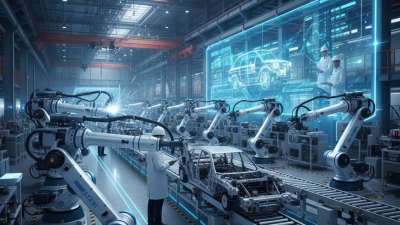
Industrial robots have transformed manufacturing processes across various sectors. One notable case study comes from the automotive industry, where a company implemented robotic arms to streamline assembly lines. These robots increased production efficiency by 30%. Workers felt relieved from the monotony of repetitive tasks, focusing instead on quality control. However, integrating such technology also raised concerns about job displacement.
In the electronics sector, another manufacturer adopted collaborative robots, or cobots. These robots worked alongside human workers, handling delicate components. This setup led to a 25% boost in output. Yet, it required substantial training for staff to maximize the robots' potential. The adjustment period highlighted the need for continuous learning and adaptation as industries embrace robotic technology.
For food processing, a notable implementation involved automated packaging systems that reduced human errors. This shift improved product safety and shelf life. Still, the company had to address initial hiccups in software integration, leading to temporary slowdowns. Such experiences underline the importance of thorough planning and flexibility during robotics integration. Balancing automation with human intelligence remains a crucial aspect of these successful implementations.