Best Industrial Robots in China for Global Buyers?
In recent years, the industrial robot market in China has seen tremendous growth. According to Dr. Li Wei, a leading expert in robotics, "China is becoming a hub for industrial robots." This shift has attracted attention from global buyers looking to enhance their manufacturing capabilities.
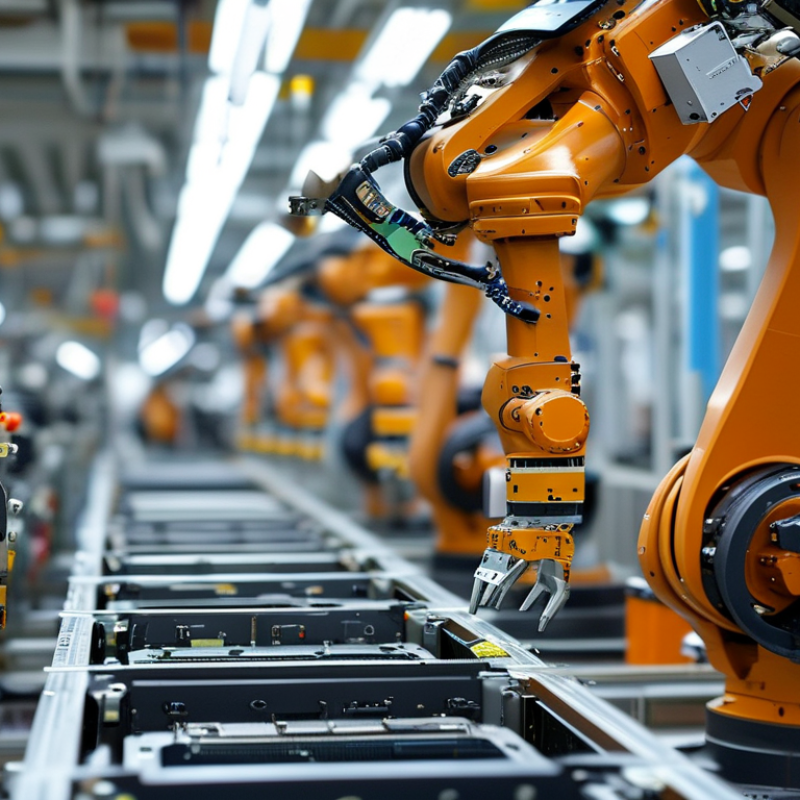
Chinese manufacturers are developing advanced industrial robot technologies. They focus on precision, cost-effectiveness, and scalability. Robotics technology is crucial in sectors like automotive, electronics, and textiles. However, not every robot on the market meets international standards. Buyers must be cautious in their selections.
While many companies offer attractive solutions, quality varies significantly. Some robots might lack reliability or technical support. Buyers should dig deeper into product reviews and company backgrounds. Weighing options can be challenging but is essential for long-term success.
Overview of the Industrial Robot Market in China: Statistics and Trends
The industrial robot market in China has shown remarkable growth in recent years. Statista reports that as of 2023, China represents nearly 30% of the global industrial robot market share. This significant number reflects China's push for automation in various sectors, including manufacturing and logistics. With a diverse range of applications, robots are increasingly adopted to streamline production processes.
Emerging trends include the rise of collaborative robots or cobots. These robots work alongside humans, ensuring safety and efficiency. Many factories are integrating cobots to enhance productivity while reducing labor costs. However, companies must focus on workforce training. The integration of automation can lead to job displacement concerns if not managed properly.
Investment in research and development is crucial. Many Chinese firms are ramping up efforts to innovate, aiming to improve robot versatility and capabilities. Yet, some face challenges in maintaining quality control and ensuring scalability. Stakeholders should consider these factors to leverage the opportunities presented by the industrial robot market effectively.
Leading Chinese Industrial Robot Manufacturers for Global Buyers
China's industrial robot market is rapidly evolving, attracting global buyers. A report from the International Federation of Robotics indicated that China's industrial robot sales reached nearly 200,000 units in 2022. This remarkable growth positions China as the largest market for industrial robots worldwide. Chinese manufacturers are responding to demand by enhancing their technology and production capabilities.
Many leading manufacturers focus on innovation and quality. They invest heavily in research and development. For instance, a study highlighted that R&D expenditure in the robotics sector increased by over 15% last year. This approach has resulted in significant advancements in automation and artificial intelligence. However, challenges remain. Some manufacturers struggle with consistency in quality across different product lines. This inconsistency may lead to buyer hesitations.
Despite these issues, the trajectory of Chinese industrial robotics shows promise. Emerging companies are bringing fresh ideas to the market. Some experts predict that with continued innovation, China could dominate the global robotics landscape by 2025. Buyers should consider the rapidly changing nature of this industry. They must conduct thorough research to identify reliable partners and receive high-quality equipment.
Key Applications of Industrial Robots in Various Industries in China
Industrial robots have transformed various sectors in China, leading to increased efficiency and productivity. They play essential roles in automotive, electronics, and food processing industries. According to a report by the International Federation of Robotics, China accounts for over 50% of global industrial robot installations, indicating a booming market for automation solutions.
In the automotive sector, robots are used for welding, painting, and assembly. This automation reduces labor costs and enhances precision. A report from McKinsey highlights that the adoption of robots in this industry could boost productivity by 20-30%. In electronics manufacturing, robots facilitate delicate tasks like circuit board assembly, increasing production speed while minimizing errors.
However, challenges exist. Many companies struggle with integrating new technologies into existing workflows. Training employees to work alongside robots requires time and investment. In agriculture, while robots improve crop harvesting, they may also lead to job displacement, raising social concerns. Balancing innovation with workforce impact is crucial for sustainable growth.
Analysis of Technological Advancements in China’s Robotics Sector
China's robotics sector has witnessed significant technological advancements, transforming industries. The integration of artificial intelligence and machine learning is revolutionizing robot capabilities. This leap enables robots to perform complex tasks with precision and speed. Improved sensors enhance their ability to navigate environments safely, increasing operational efficiency.
Local universities and research institutions play a crucial role in innovation. Many collaborate with industries, driving research to develop advanced robotic solutions. However, challenges remain. The rapid growth often leads to knowledge gaps in application. Companies sometimes struggle to implement these technologies effectively. There's a need for robust training programs to bridge this gap.
Despite these hurdles, the potential is enormous. The focus on automation across various sectors is increasing, creating a demand for smarter robots. Continuous investment in research and development is vital. Companies must also address ethical considerations surrounding robotics. Balancing innovation with responsibility will shape the future landscape of China's robotics sector.
Challenges and Opportunities for Global Buyers in Sourcing from China
China has emerged as a hub for industrial robotics, attracting global buyers seeking efficient and cost-effective solutions. A report by the International Federation of Robotics indicates that the country accounts for over 40% of the world's industrial robot installations. This statistic highlights China's growing influence in the global market. However, sourcing robots from China comes with its challenges. Language barriers and cultural differences can complicate communication. Additionally, navigating the varying standards of quality control requires due diligence.
Despite these hurdles, opportunities abound for global buyers. The Chinese government heavily invests in automation and smart manufacturing. According to McKinsey, the robotics market in China is projected to reach $75 billion by 2025. This growth creates an environment ripe for innovation and collaboration. Buyers can find relatively lower labor costs, enabling competitive pricing. However, the rapid pace of technological advancements may lead to discrepancies in product specifications, necessitating thorough evaluations before procurement.
Furthermore, potential buyers must be mindful of the shifting regulations in China. Compliance with local laws and international standards is critical. Engaging local expertise can mitigate risks associated with non-compliance. By addressing these challenges and capitalizing on growth trends, global buyers can effectively navigate the complex landscape of sourcing industrial robots from China.