Top Pneumatic Mixer Suppliers for Global Buyers Looking for Quality?
In today's industrial landscape, finding the right Pneumatic Mixer is crucial for ensuring efficiency and quality in production processes. Pneumatic Mixers use compressed air to create a robust mixing action, making them ideal for a variety of applications. The global market offers numerous suppliers, but choosing the right one can be challenging.
Buyers must consider factors like reliability, performance, and customer support. Not all suppliers meet these expectations. Some may offer lower prices but compromise on quality. Others may not provide adequate technical assistance post-purchase. Evaluating these elements requires time and effort.
Understanding the features of a Pneumatic Mixer can help buyers make informed decisions. Look for durable construction and user-friendly designs. Remember that investing in a high-quality mixer pays off in the long run. This guide highlights top suppliers, helping buyers navigate their options effectively.
Top Pneumatic Mixer Suppliers: An Overview
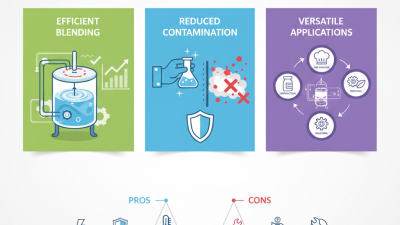
Pneumatic mixers have become essential tools in various industries like food, pharmaceuticals, and chemicals. Their ability to blend materials efficiently has garnered significant attention. According to a market report by Research and Markets, the global pneumatic mixing equipment market is projected to grow significantly, reaching a valuation of over $1 billion by 2025. This growth reflects the increasing demand for reliable mixing solutions across sectors.
When exploring top pneumatic mixer suppliers, it is vital to consider their technology and service support. Companies often struggle with equipment that lacks adaptability or yields inconsistent results. A mixer's efficiency can decline if not properly matched to the specific application, highlighting the importance of thorough research before making a decision. A supplier's expertise can significantly impact the long-term reliability of the mixer.
Tips: Always evaluate the supplier’s customer service and technical support. Engaging with potential suppliers in discussions can provide insights into their experience and systems. Look for suppliers who offer demonstrable case studies of past success. This can guide buyers towards making informed choices.
Criteria for Selecting Quality Pneumatic Mixer Suppliers
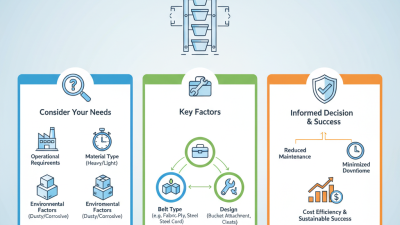
When selecting a quality pneumatic mixer supplier, buyers should consider several critical factors. One vital aspect is the supplier's experience in the industry. A reputable supplier often has years of application and technology expertise. This background can lead to better understanding customer needs.
Another important criterion is the range of products offered. Suppliers should provide a variety of pneumatic mixer options. This diversity allows buyers to find specific solutions tailored to their needs. Look for suppliers who can also offer customization, as this shows their commitment to customer satisfaction.
Tips:
- Verify supplier certifications. This ensures they meet quality standards.
- Check online reviews and testimonials. Feedback from other buyers can reveal reliability.
- Engage in conversations. Discussing your unique requirements can help assess their expertise.
Investing time in thorough research can lead to better supplier selection.
Identifying the right partner can significantly impact operational efficiency. Reflect on your specific needs and challenges, as this will guide your evaluation process.
Leading Brands in the Pneumatic Mixer Market
The pneumatic mixer market features several leading brands that ensure quality and performance. These mixers are renowned for their efficiency in various industries. Buyers often look for reliable suppliers that prioritize innovation and customer service.
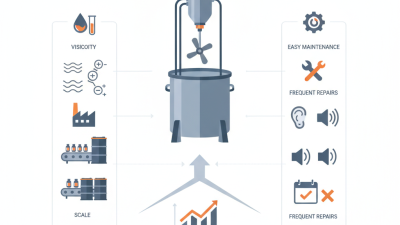
When selecting a pneumatic mixer, consider the specifications that match your needs. These mixers can handle different viscosities and materials. Performance details should always be scrutinized. Match the mixer’s capabilities with your project requirements to avoid inefficiencies.
Tips: Always check for customer reviews. They provide insight into reliability. Additionally, compare features among brands to find a suitable option. Consider not just the initial cost but long-term value. Investing in quality equipment pays off in durability and efficiency.
Global Reach of Pneumatic Mixer Suppliers: Key Markets
The global market for pneumatic mixers is diverse and expansive. Various regions have unique demands and operational challenges. Manufacturers must understand these market nuances to succeed. Factors like local industries and regulations play crucial roles in shaping supplier strategies.
Key markets include North America, Europe, and Asia-Pacific. Each area presents different opportunities for growth. North America values innovation and efficiency, while Europe focuses on sustainability. In Asia-Pacific, rapid industrialization drives demand for robust mixing solutions. Suppliers should adapt their offerings to meet these regional needs effectively.
Exploring emerging markets can be enlightening yet challenging. Not all regions may have the infrastructure to support advanced pneumatic mixers. Hence, suppliers must balance technical capabilities with local realities. Continuous research is essential to navigate these landscapes successfully.
Trends and Innovations in Pneumatic Mixing Technology
Pneumatic mixing technology has advanced significantly in recent years. This evolution reflects the growing demand for efficient and effective mixing solutions across various industries, including food, pharmaceuticals, and chemicals. According to a recent report by MarketsandMarkets, the global pneumatic mixing market is projected to grow at a CAGR of 6.2% from 2023 to 2028. This growth points to increasing investments in automation and precision in manufacturing processes.
Recent innovations in pneumatic mixers emphasize better energy efficiency and reduced operational costs. For example, smart pneumatic mixers equipped with IoT capabilities enable real-time monitoring of mixing processes. These advancements help ensure consistency in product quality, a critical factor for manufacturers. However, some challenges remain. Many companies struggle to integrate evolving technologies, often leading to ineffective use of these advanced mixers.
Moreover, the focus on sustainability is driving the development of eco-friendly pneumatic mixers. These mixers minimize waste and use less energy, aligning with global environmental goals. While the trend towards greener solutions is promising, effective implementation requires industry expertise and continuous training for operators. Understanding these new dynamics is essential for maximizing investment in pneumatic mixing technologies.