How to Choose the Right Bucket Elevator Belt for Your Needs?
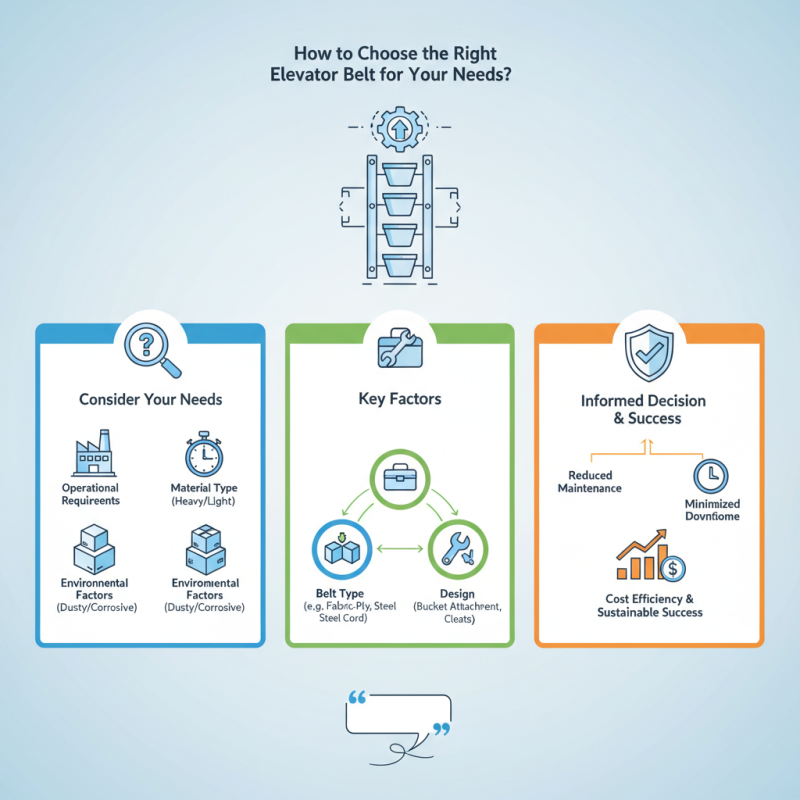
When selecting a Bucket Elevator Belt, it's crucial to consider your specific needs and operational requirements. Industry expert John Smith, a renowned figure in material handling, once stated, "Choosing the right Bucket Elevator Belt can make or break your efficiency." This highlights the importance of an informed decision in optimizing operations.
Bucket Elevator Belts come in various types, materials, and designs. Each of these can dramatically affect performance. For instance, a belt designed for heavy-duty environments differs significantly from one suited for light materials. Understanding these differences is vital for maximizing operational efficiency.
While it may seem straightforward, the selection process can be complex. Mistakes in choosing a Bucket Elevator Belt could lead to maintenance issues or operational downtime. Overlooking certain factors can lead to increased costs. Therefore, reflecting on your choices is essential for sustainable success.
Understanding the Types of Bucket Elevator Belts Available on the Market
Choosing the right bucket elevator belt is crucial. Different types suit various applications, so understanding your options is essential. Belts vary in materials, construction, and thickness. Common materials include rubber, PVC, and steel. Rubber belts withstand abrasion, while PVC is ideal for lighter materials. Steel belting provides strength but can be costly.
Consider the specifics of your operation. What materials will you transport? How abrasive are they? Think about the environment, too. High temperatures and moisture can affect belt performance. Some belts are designed for these conditions, while others are not. Reflect on your requirements to ensure you select an appropriate belt.
Additionally, support and expertise matter. Consult with professionals who understand bucket elevators. They can provide insights on which belt type best meets your needs. Don’t hesitate to ask questions about installation, maintenance, and long-term performance. Proper guidance helps avoid costly mistakes down the line.
Identifying Your Specific Material Handling Needs and Requirements
When choosing the right bucket elevator belt, understanding specific material handling needs is crucial. Different materials—such as grains, aggregates, or powders—have unique properties. For instance, grain handling requires belts that can withstand abrasion and moisture. A recent industry report highlighted that 70% of material damage occurs during transport due to improper handling.
Evaluating the weight and bulk density of materials is essential. Heavy materials may require reinforced belts. A well-researched study indicated that belt selection can affect operational efficiency by 15-20%. Consider the environment too. Wet or corrosive areas demand belts with specialized coatings for durability.
Furthermore, reflect on maintenance demands. Some belts need regular inspections and replacements, while others are more durable. Knowing these aspects can prevent costly downtimes. It's a complex decision-making process requiring careful analysis. The right choice is not just about immediate costs but long-term performance and safety.
Material Types vs. Ideal Bucket Elevator Belt Selection
Evaluating the Operating Conditions and Environment for the Elevator Belt
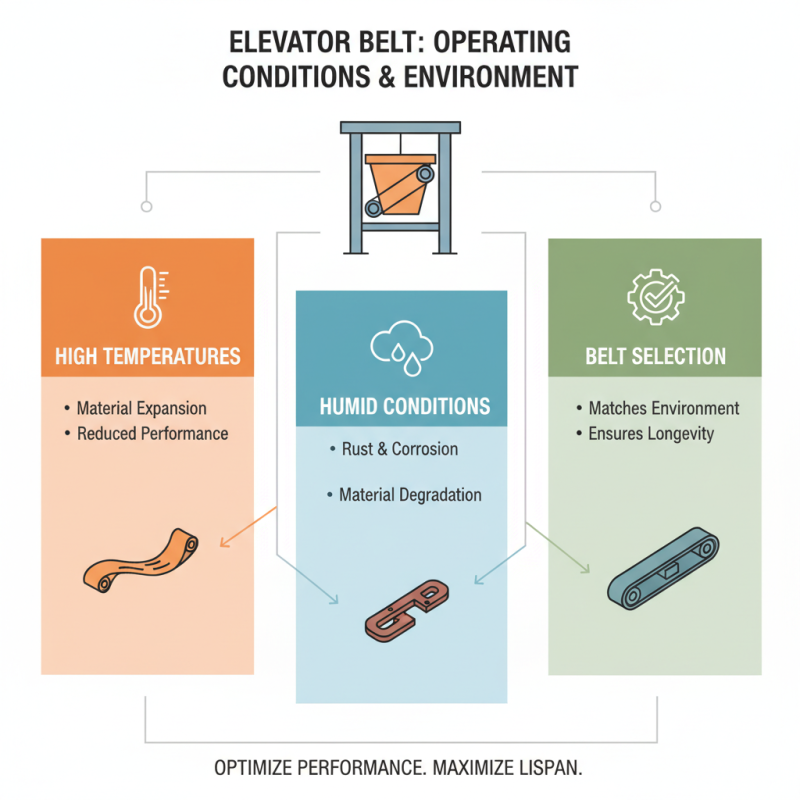
When selecting a bucket elevator belt, understanding the operating conditions and environment is essential. Different environments impose specific demands on the belt. For example, high temperatures can lead to material expansion, affecting performance. Humid conditions may cause rust or corrosion if the belt is made from unsuitable materials. Therefore, evaluating these conditions helps ensure the longevity of the belt.
Consider the materials being transported. If they are abrasive, a thicker and more durable belt might be necessary. Additionally, the presence of chemicals in the environment can degrade certain belt materials. In such cases, using specialized materials is crucial. Reflect on the specific features of your operation. Importance lies in addressing potential weaknesses. A belt that works well in one scenario may falter in another.
Lastly, think about the installation location. Space constraints may limit your choices. Proper alignment and tension are vital for optimal functioning. Choosing the wrong belt could lead to increased maintenance costs and downtime. This decision requires careful consideration of all factors involved. Each operational detail plays a role in the effectiveness of your bucket elevator system.
Assessing the Quality and Durability of Bucket Elevator Belt Materials
Selecting the right bucket elevator belt requires a thorough assessment of materials for quality and durability. Different applications demand unique belt characteristics. For instance, certain industries may require belts that can withstand extreme temperatures or abrasive materials. A report from the Conveyor Equipment Manufacturers Association (CEMA) indicates that the right belt can increase system efficiency by 15%.
The material of the belt significantly affects its lifespan. Rubber and polyurethane are common choices, each with different strengths. Rubber belts may offer better wear resistance, while polyurethane belts are lighter and more flexible. It’s vital to analyze the operating conditions and material type that the belt must handle. Be cautious, though; overestimating a material's strength can lead to premature failure.
Tips: Always check for certifications in manufacturing. This can help ensure quality. Regularly inspect the belt for signs of wear or damage. This will save you costs in the long run. Consider conducting a trial run before full implementation. Small adjustments could enhance performance significantly. In summary, the choice of materials directly impacts durability and operational success. Understanding your specific needs leads to a more informed decision.
Consulting with Experts and Manufacturers for Tailored Solutions
Selecting the right bucket elevator belt is crucial. Engaging experts and manufacturers can lead to tailored solutions that fit your specific needs. Experts can assess your material handling requirements, taking into account factors such as temperature, load capacity, and moisture levels.
When consulting professionals, come prepared with detailed information about your application. Provide data on the materials you handle. Discuss the environmental conditions, including temperature fluctuations and humidity. This information is vital. It allows experts to recommend the most suitable belt type.
**Tips:**
Always ask for references from previous clients. This can help you gauge their expertise. Be cautious if a supplier seems too eager to sell without understanding your needs. A trustworthy manufacturer will prioritize solutions over sales. Collaboration is key to finding the best fit for your operations.