What Are the Top FFS Machine Types in 2026?
In 2026, packaging teams face a crowded market of Ffs Machines, each designed for different products, pack styles, and production speeds. The main types include vertical form-fill-seal machines, horizontal form-fill-seal machines, and specialized systems for liquids, powders, granules, or single-serve packs. Vertical systems commonly form bags from a film roll and fill them from above. Horizontal systems form or wrap packs along a horizontal path, which can suit products needing careful placement. The details matter.
This guide compares these machine types by how they handle products, packaging materials, changeovers, and line integration. A machine that runs dry snacks smoothly may not suit a sticky sauce or fine powder. Operators should check sealing performance, dosing accuracy, cleaning access, and the package formats a system can actually produce. Ask for product trials using representative materials. Review maintenance requirements and verify speed claims under realistic conditions, not just ideal settings. Small test runs can reveal awkward film tracking or slow changeovers.
There is no universal winner. Not even close. The best choice depends on the product, target pack, available floor space, and the skills of the operating team. Specifications also vary by model and supplier, so buyers should confirm details directly and compare like with like. Some decisions remain uncertain until a machine is tested on the real line. This overview highlights the leading FFS machine types and the practical trade-offs behind each one.
How Form-Fill-Seal Machines Work
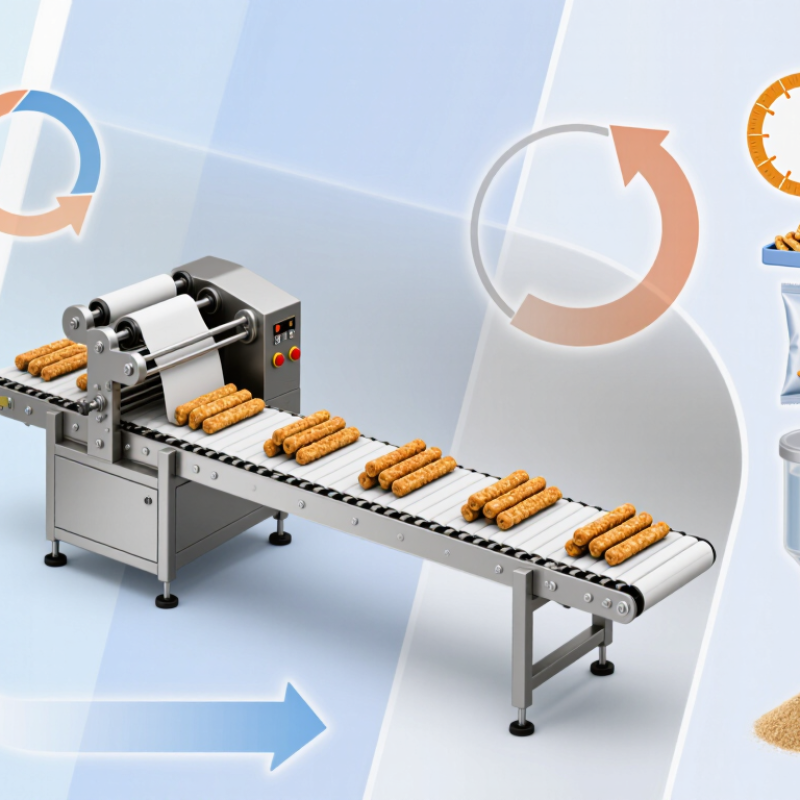
A form-fill-seal (FFS) machine turns packaging film into filled, closed packs in one continuous cycle. It unwinds a roll, shapes the film into a tube or tray, seals the edges, adds a measured product dose, then seals and cuts each pack. Vertical FFS machines typically drop products into bags from above. Horizontal systems move products along a conveyor, while thermoform-fill-seal lines shape trays from heated film. The right format depends on product shape, production speed, and how well the package must protect its contents.
The sequence sounds tidy. Real production is less tidy. Film tension, seal temperature, and filling accuracy must stay within narrow limits; small changes can cause wrinkles, leaks, or wasted product. PMMI’s 2023 State of the Industry report put U.S. packaging machinery shipments at about $10.2 billion in 2022. That figure covers machinery broadly, not FFS machines alone, but it shows the scale of investment behind automated packaging. Operators still matter. A sensor cannot always explain why one corner seal keeps failing.
Tips: Test the actual film and product together before setting a line speed. Check seal samples during each shift, and record temperature, pressure, and defects. Fast is useful; repeatable is better.
Vertical Form-Fill-Seal Machines for Flexible Packaging
What Are the Top FFS Machine Types in 2026?
Vertical Form-Fill-Seal Machines for Flexible Packaging
Vertical form-fill-seal (VFFS) machines turn a flat roll of flexible film into filled, sealed packs in one compact line. Film travels around a forming tube as a dosing system drops product into each bag. For snacks, powders, grains, and small hardware, this setup can reduce floor space and handling steps. Simple, but not effortless.
Intermittent-motion machines pause the film for sealing, which can help when pouch length or careful product handling matters. Continuous-motion machines keep the film moving and can support higher output when product flow and sealing stay stable. The right choice depends on fill behavior, pack size, film structure, and target speed—not speed alone. A tidy specification sheet can be misleading.
Many VFFS lines make pillow packs; additional forming and sealing equipment can create gusseted or block-bottom styles. Film selection matters: seal layers must suit the machine’s temperature, pressure, and dwell time. Otherwise, seals may wrinkle or leak. Dusty powder can foul the seal area, while fragile products may need gentler dosing. In practice, small adjustments take time. Testing the actual product and film, inspecting seals, and recording settings can help operators spot problems before routine production. Changeovers and film tracking can still reveal weak points.
Horizontal Form-Fill-Seal Machines for Individual Products
Horizontal form-fill-seal (HFFS) machines make individual packs from a roll of flexible film. The film forms a tube around each product, then seals at the back and ends. They suit snack bars, wipes, and small medical dressings. The pack moves horizontally, which helps handle products that should not drop through a vertical system.
Machine choice depends on product size, film type, target speed, and seal design. A soft bar may need gentle feeding; a rigid item needs accurate spacing before the sealing jaws close.
Small details matter.
A poorly matched seal can wrinkle film or leak, even when the machine runs smoothly. Changeover time also deserves attention, especially when pack sizes vary. It is easy to overlook.
PMMI’s 2023 U.S. Packaging Machinery Shipments Study reported
approximately $10.9 billion in U.S. packaging machinery shipments for 2022, with annual growth projected at 4.7% through 2027.
This covers the broader machinery market, not HFFS machines alone. For an individual-product line, test the actual product and film together before setting a speed target. Check seals after startup and during production, not only during commissioning. A short test run can still miss wear that appears after hours of operation.
Thermoform-Fill-Seal Machines for Rigid and Flexible Packs
Thermoform-fill-seal machines form a package from roll-fed material, fill it, and seal it in one production line. For rigid packs, the forming station heats a plastic sheet and draws it into cavities, creating trays with defined walls and compartments. Flexible packs use thinner films, producing lighter pockets or shallow containers. The distinction matters. Tooling, heat control, and sealing pressure must match the material and pack shape.
Rigid formats can protect delicate products and hold their shape during handling. Flexible formats often reduce material use and shipping weight, but may need careful support at filling and discharge. A film that seals well on a flat sample can behave differently at production speed. Small wrinkles near a seal can cause rejects. That detail is easy to overlook.
When comparing machine types, examine forming depth, pack size, material range, and changeover time. Ask to see representative packaging run at the intended speed, not just an empty machine cycling. Also check how operators access heating zones and clean product-contact areas. These practical details affect uptime. A useful caution: the fastest quoted output may not reflect stable output across every format. No format wins every time. The right choice depends on product fragility, shelf-life needs, and the limits of the available packaging materials.
How to Choose an FFS Machine for 2026 Production Needs
Choosing an FFS machine starts with the package, not the headline speed. Vertical form-fill-seal systems suit pillow bags and stand-up pouches, especially when floor space is limited. Horizontal systems can handle trays, sachets, and products needing more careful placement. Thermoform-fill-seal equipment forms rigid or flexible cavities from a roll of film. Match the machine to product shape, portion size, film structure, and required seal strength. A powder that drifts into the seal area can cause rejects; a delicate snack may need gentler handling. Small details matter.
PMMI’s 2024 State of the Industry report put U.S. packaging machinery shipments at about $10.9 billion in 2023. That scale signals ongoing investment, but it does not mean the fastest machine is right for every line. Compare sustained output, changeover time, cleaning access, and compatibility with existing fillers and case packers. Ask suppliers to run your actual product and film, then inspect seals and waste after startup. Include operators in the trial. Their feedback can reveal awkward threading or hard-to-reach cleaning points. A machine may look efficient on paper. Real production is less tidy. Allow for future package changes, but avoid paying for capacity your line cannot use.
How to choose: Start with the package format your product needs. Vertical FFS typically makes bags and stick packs; horizontal FFS commonly makes flow-wrap packs and sealed pouches; thermoform FFS forms trays or cavities; and cup/tub FFS forms containers from rollstock. The chart shows common format matches, not production capacity or a performance ranking. Confirm product, material, speed, changeover, and line-integration requirements with equipment specifications.