Blow Film Extrusion Machine Tips for Efficient Production?
The use of the Blow Film Extrusion Machine plays a significant role in modern manufacturing. According to industry reports, global demand for blown film products is projected to reach $20 billion by 2026. This growth highlights the importance of optimization in production processes. Efficient operation of these machines can improve output and reduce waste.
For manufacturers, understanding the intricacies of Blow Film Extrusion Machines is crucial. Key factors include temperature control, air ring design, and die configurations. Industry experts emphasize that small adjustments can lead to substantial enhancements in film quality. A recent study noted that optimizing these parameters can reduce defective output by up to 15%.
However, inefficiencies persist in many production lines. Some operators overlook routine maintenance, which can compromise performance. Regular evaluations can spotlight areas for improvement. Balancing speed with quality remains a challenge in production settings. This underscores the need for continuous learning and adaptation in handling Blow Film Extrusion Machines.
Key Components of Blow Film Extrusion Machines
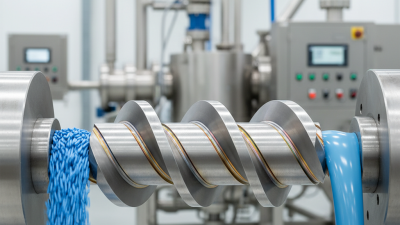
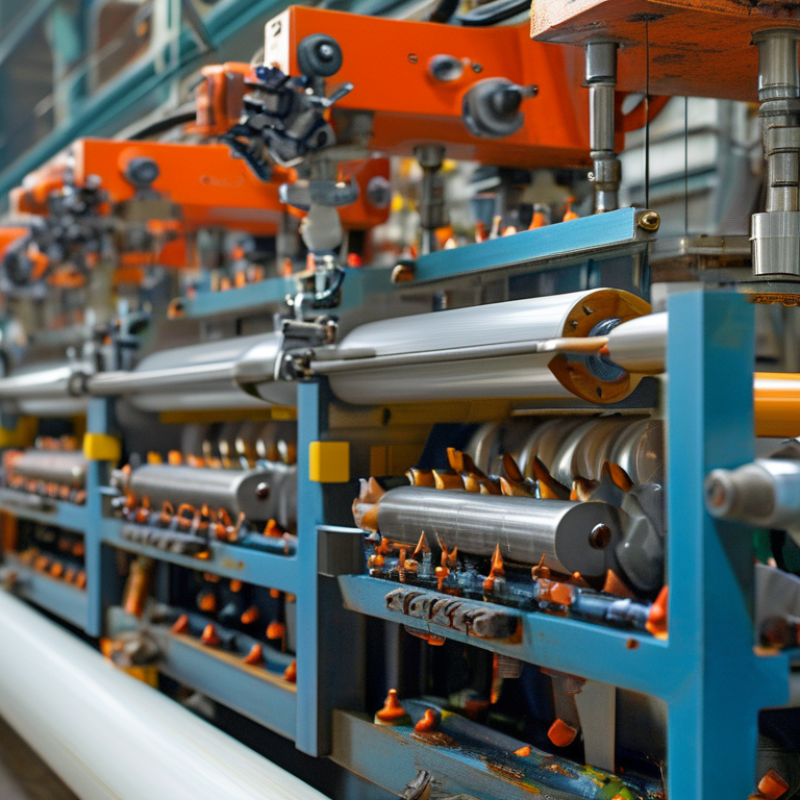
The blow film extrusion machine is crucial for producing high-quality films. Focus on key components to enhance production efficiency. The extruder is one of the most vital parts. It melts and transforms plastic pellets into a uniform molten mass. Without proper temperature control, issues like inconsistent film thickness can arise. Monitoring and adjusting temperatures ensure a smoother process.
Another essential component is the die. It shapes the molten plastic into a film. A well-designed die allows for better flow and uniform thickness. Often, adjustments must be made based on the material's properties. Inconsistent die gap can lead to defects in the final product. Regular inspections help maintain die performance.
Finally, the cooling and winding systems play pivotal roles too. Proper cooling reduces defects and improves film clarity. Efficient winding ensures no film tangles or breaks. If not managed well, inefficiencies can accumulate, leading to production delays. It's crucial to address these components for smoother operations.
Understanding the Extrusion Process in Film Production
In film production, understanding the extrusion process is crucial for achieving efficiency. The extrusion process involves feeding raw materials into a machine where they are heated and forced through a die to create thin films. Reports suggest that optimizing this process can enhance output by up to 30%. However, many facilities still overlook specific parameters.
Temperature control plays a vital role in film quality. Maintaining the correct temperature ensures uniform viscosity. Inadequate temperature may lead to defects or weak spots in the film. Data indicates that temperature fluctuations can reduce production rates by as much as 20%. Monitoring temperature consistently can prevent such losses.
Die design also significantly impacts film production. A well-designed die can minimize material waste and improve film properties. Studies have shown that optimizing die geometry can increase efficiency by 15%. However, many manufacturers still face challenges in achieving the ideal balance. They often overlook the gradual wear and tear on equipment, which can degrade performance over time. Regular maintenance is essential yet frequently neglected. Addressing these aspects can lead to more efficient operations and improved film quality.
Blow Film Extrusion Machine Production Efficiency
Blow Film Extrusion Machine Tips for Efficient Production
Tips for Optimizing Material Selection and Usage
When it comes to blow film extrusion, material selection plays a crucial role. Choosing the right polymer can significantly improve production efficiency. It affects the film's strength, clarity, and overall performance. Understanding properties such as melt flow index and tensile strength can guide decisions.
Tips for optimizing material usage include careful consideration of thickness. A film that is too thick wastes material and energy. Striving for the ideal thickness ensures the film meets application requirements without excess. Experimenting with different blends can also yield better results. Sometimes, a new combination offers enhanced properties.
Recycling materials is another avenue worth exploring. It can reduce costs and environmental impact. However, recycled materials may require additional processing. This step can affect production speed and quality. Testing these materials in small batches can provide insights before full-scale production. This proactive approach can lead to improvements and also uncover issues in the process.
Techniques for Maintaining Consistent Film Quality
Maintaining consistent film quality in blow film extrusion is crucial for efficiency. Several techniques can enhance the process, starting with material selection. Ensure the polymers are compatible and of high purity. Impurities can lead to defects. Regularly check the feed hoppers to prevent contamination.
Temperature control is vital. Monitor both the melt temperature and the cooling process. Inconsistent temperatures can cause variations in film thickness. Implementing a closed-loop system can help maintain stable temperatures.
Equipment maintenance cannot be overlooked. Regular inspections can catch wear before it affects production. Check for die adjustments and pressure consistency. Operators should receive training to identify quality issues early. Sometimes, they need to reflect on their practices to reduce human error.
Blow Film Extrusion Machine Tips for Efficient Production
| Tip |
Description |
Recommended Frequency |
Expected Outcome |
| Regular Maintenance |
Perform routine checks on machinery components to prevent breakdowns. |
Monthly |
Increased machine longevity and reduced downtime. |
| Temperature Control |
Monitor and adjust the temperature settings to ensure even plastic melting. |
Daily |
Consistent film thickness and quality. |
| Material Quality Check |
Ensure raw materials meet specifications to avoid defects. |
Before production |
Higher film quality and reduced waste. |
| Calibration of Equipment |
Regularly calibrate machinery settings for accuracy. |
Quarterly |
Optimal production rates and film consistency. |
| Operator Training |
Providing ongoing training for machine operators. |
Annually |
Improved efficiency and fewer operational errors. |
Troubleshooting Common Issues in Blow Film Extrusion
Blow film extrusion is a complex process with various challenges. Operators often face common issues that can impact production efficiency. For instance, inconsistent thickness in the film can occur. This often results from incorrect die temperatures or improper calibration. A skilled operator must monitor these factors closely.
Another frequent problem is bubble instability. It affects the quality of the film. Operators should ensure that air pressure is at optimal levels. Often, a small adjustment can make a significant difference. Additionally, clean and well-maintained equipment ensures smoother production.
Waste material accumulation can also pose challenges. It slows down the operation and increases costs. Regular maintenance and inspections can help identify potential blockages. It’s crucial to be proactive rather than reactive. Instead of waiting for breakdowns, operators should troubleshoot issues as they arise. This approach not only enhances reliability but promotes a culture of continuous improvement in production practices.