Top 10 Bulk Mixer Options for Efficient Mixing Solutions?
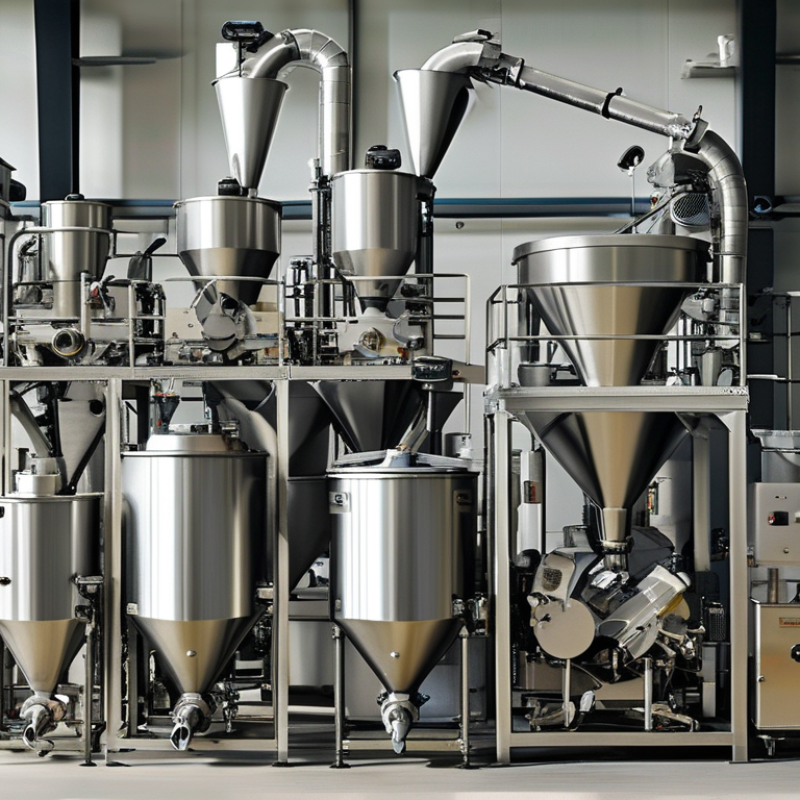
In various industrial applications, the need for efficient mixing solutions has led to the rise of Bulk Mixers. These machines play a crucial role in industries ranging from food production to pharmaceuticals. They ensure uniformity in mixtures, which is vital for product quality.
Choosing the right Bulk Mixer can significantly impact production efficiency. Many options exist, each catering to different mixing needs. It's essential to consider the specific requirements of your application. Factors like mixing capacity and material compatibility are critical.
A good Bulk Mixer can save time and reduce waste. However, not all mixers are created equal. Understanding the options available can lead to more informed decisions. Exploring these top ten Bulk Mixer choices can help you find a solution that fits your operational needs while enhancing productivity.
Understanding Bulk Mixers: An Overview of Types and Applications
Bulk mixers play a crucial role in various industries, including food, pharmaceuticals, and chemical manufacturing. Their effectiveness largely hinges on the design and type chosen for specific applications. The most common types include paddle mixers, ribbon mixers, and drum mixers. Each type serves a distinct function and is suited to varying material characteristics. For example, paddle mixers are prized for their gentle mixing capability, while ribbon mixers excel at handling dry powders efficiently.
According to industry reports, the global bulk mixing equipment market is expected to grow at a CAGR of 4.5% through 2025. This is largely due to the increasing demand for fine particle mixing in the food industry. However, challenges persist in selecting the right mixer. Factors such as material viscosity, batch size, and required mixing time significantly impact the efficiency of the mixing process. Companies often find themselves facing issues with inadequate mixing consistency, leading to product quality concerns.
In recent studies, nearly 30% of manufacturers reported difficulties in achieving uniformity in their mixtures. This highlights the need for improved technology and equipment selection in mixing processes. Continuous innovation is essential to address these issues. Using advanced materials or hybrid mixer designs could result in better operational efficiency and product consistency.
Key Features to Consider When Choosing a Bulk Mixer
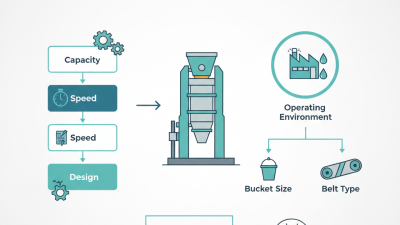
When choosing a bulk mixer, several key features can significantly impact efficiency. The type of mixing action is crucial. Paddle mixers, for example, are ideal for creating homogeneous mixtures. Conversely, ribbon mixers excel at handling bulk materials. Understanding these differences helps in selecting the right tool for your needs.
Another important aspect is capacity. Determine how much material you plan to mix at a time. This influences not only the size of the mixer but also its design and energy efficiency. Selecting a model that fits your operational scale can save time and reduce waste.
Material construction matters as well. Stainless steel is often preferred for its durability and ease of cleaning. However, some processing environments may require specialized materials. Always consider the compatibility of the mixer with the substances being mixed. Reflecting on these features ensures a more informed choice, leading to a smoother mixing process.
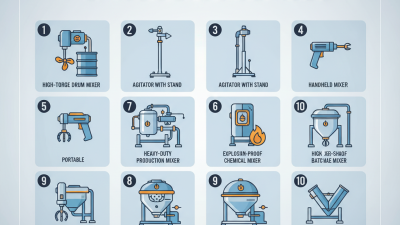
Top 10 Bulk Mixer Options for Various Industrial Needs
In the industrial landscape, efficient mixing solutions are vital. Many sectors require different types of bulk mixers tailored to specific processes. According to a 2022 industry report, over 70% of manufacturers rely on bulk mixing in their operations. This highlights the need for reliable equipment that meets varying industrial requirements.
Different types of bulk mixers serve various needs. For instance, paddle mixers work well for dry materials, while ribbon mixers handle powders and granules effectively. A study indicates that ribbon mixers can improve mixing efficiency by up to 30%. Additionally, high-shear mixers are beneficial for liquid applications. Despite their advantages, selecting the right mixer often involves trial and adjustment. Not all mixers are suited for every application, leading to challenges in consistency and quality.
As industries evolve, so do their mixing needs. Some manufacturers struggle with mixer maintenance, which is essential for ensuring long-term performance. A survey revealed that nearly 40% of companies faced downtime due to equipment issues. Understanding these aspects aids in making informed choices about bulk mixers, ultimately influencing production quality and operational efficiency.
Comparative Analysis of Bulk Mixer Performance and Efficiency
When evaluating bulk mixers, performance and efficiency are critical factors. A variety of mixing mechanisms exist, including paddle, ribbon, and drum mixers. Each type has distinct advantages. Paddle mixers provide effective blending of mediums with varied densities. Ribbon mixers, on the other hand, excel in producing homogeneous mixtures rapidly.
Understanding the efficiency of these mixers often requires in-depth analysis and testing. For example, the energy consumption of a ribbon mixer can be lower than that of a drum mixer while achieving similar mixing results. Viscosity of materials influences these outcomes. Mixing highly viscous substances may challenge certain designs, leading to variable performance. It's essential to consider the specific needs of the operation.
While many models claim high efficiency, practical trials reveal discrepancies. Some mixers might struggle with large batch sizes or mixed materials. Users should assess these mixers based on real-world conditions, not just specifications. A test run can illuminate potential issues. Observing the mix quality and energy use will help ensure the choice aligns with operational goals.
Maintenance Tips for Longevity of Bulk Mixing Equipment
Maintaining bulk mixing equipment is essential for achieving optimal performance. Regular maintenance can extend the lifespan of mixers significantly. Industry reports suggest that effective upkeep can improve equipment efficiency by up to 25%. This underscores the importance of scheduled checks and routine care.
One key aspect of maintenance is the inspection of mixing blades. Over time, wear and tear can lead to uneven mixing. Operators should replace or sharpen blades periodically to ensure consistent results. Bearings and motor components should also be monitored closely. A staggering 30% of equipment failures can be attributed to overlooked wear on these crucial parts.
Additionally, keeping machinery clean is vital. Residue buildup can impact functionality and safety. Experts advise routine cleaning schedules that align with production cycles. Engage in proactive measures instead of waiting for issues to arise. Proper maintenance not only enhances performance but also minimizes costly repairs.