Top 10 Blown Film Extruder Machines for Global Buyers?
The production of plastic films has seen rapid advancements, driven by the growing demand for flexible packaging solutions. A key player in this process is the Blown Film Extruder Machine. According to a recent market report by Fortune Business Insights, the global blown film extrusion market is projected to reach over $10 billion by 2026, growing at a CAGR of 5.6%. This growth reflects the increasing application of blown films in various industries, including food packaging, agriculture, and consumer goods.
Selecting the right Blown Film Extruder Machine is crucial for efficiency and product quality. Various models claim to enhance performance but often lack the reliability needed for high-demand production environments. While manufacturers promote high outputs, some machines may fall short when evaluated under real-world conditions. It's essential for buyers to research efficiently and compare specifications and performance reports. Not all machines deliver on their promises, which can lead to significant operational disruptions.
Understanding these dynamics is vital before making an investment. We present a carefully curated list of the top 10 Blown Film Extruder Machines for global buyers. This selection combines innovation and proven performance, enabling manufacturers to navigate the complexities of modern blown film production effectively.
Overview of Blown Film Extrusion Technology
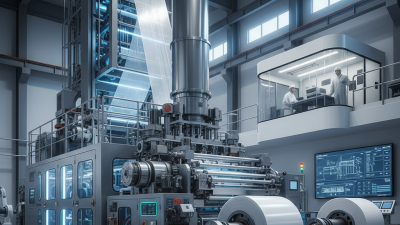
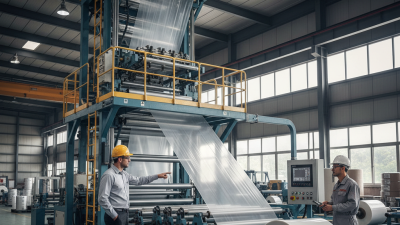
Blown film extrusion is a versatile manufacturing process used to create plastic films. This technology involves melting plastic pellets and forcing them through a die to form a thin tube. The tube is then inflated and cooled, resulting in a strong, flexible film. It's widely used for packaging in various industries due to its durability and barrier properties.
Running a blown film extruder requires expertise. Proper temperature control is essential to ensure the quality of the film. If the temperature is too high, the material may decompose. Conversely, inadequate heating can lead to poor film formation. Operators must monitor these parameters closely.
Tips for maintaining optimal performance: Regularly inspect the die for wear. A worn die can lead to uneven film thickness and defects. Additionally, calibrate the cooling system to avoid issues like film sticking or tearing. Understanding polymer properties is crucial; different materials have unique processing conditions. This knowledge helps prevent production setbacks, ensuring efficiency.
The blown film extrusion process can appear straightforward, but it often presents challenges. Variations in raw material quality can influence final product characteristics. Constant vigilance and a willingness to adapt are necessary to achieve consistent results. Reflecting on past problems can help improve overall performance and product quality.
Key Features to Consider in Blown Film Extruder Machines
When selecting a blown film extruder machine, focus on its key features. A high-quality extruder should provide consistent output and efficiency. Look for models that support various film thicknesses. Flexibility in production options can greatly enhance productivity. Features such as adjustable die heads and resin capabilities can cater to specific needs.
Efficiency is crucial in the manufacturing process. Machines with energy-saving designs can significantly reduce operational costs. It’s also important to choose equipment that offers easy maintenance. A reliable machine should allow for quick part replacements and accessible cleaning procedures. Consider the level of automation as well. Automatic controls can streamline operations, but they may require higher initial investments.
It’s essential to assess the ease of use of these machines. Operator training is critical for maintaining safety and efficiency. Some machines might require more technical knowledge than others. This can lead to downtime if staff are unprepared. Balancing the complexity of operations with user-friendliness is a challenge. Manufacturers should provide comprehensive support and training resources. A reliable service team can help prevent long-term issues.
Top 10 Blown Film Extruder Machines for Various Applications
The global demand for blown film extrusion machines has surged due to various applications, including packaging, agriculture, and medical industries. According to a report by Research and Markets, the blown film industry is projected to exceed $6 billion by 2025. This increase highlights the machinery's role in producing films for numerous uses. These machines offer versatility, producing films that can be lightweight yet durable.
In agriculture, blown films are critical for greenhouse covers and mulch films. They protect crops while allowing light to penetrate. Medical applications also rely on blown films to create sterile packaging. However, the efficiency of these machines can vary based on design and materials used. Some manufacturers focus more on volume rather than quality. This trade-off can lead to increased waste and production costs.
Machine performance must be evaluated carefully. Problems like uneven thickness or poor sealing can arise. These issues can affect the final product's quality. Data suggests nearly 30% of film production is often scrapped due to defects. Hence, understanding the specific requirements for each application is essential. A tailored approach ensures that the chosen extruder meets both efficiency and quality standards.
Comparative Analysis of Leading Manufacturers in the Market
The global market for blown film extruder machines is competitive. Buyers often face challenges in choosing the right manufacturer. Understanding different models and their specifications is crucial for informed decisions.
Leading manufacturers usually focus on durability and efficiency. Materials used in production vary greatly. These factors can affect the machine's performance and longevity. Some machines may promise high output but fall short in energy efficiency. This inconsistency can lead to operational costs that are higher than expected.
Additionally, service support is vital in this industry. Some companies offer excellent after-sales services, while others lag behind. Communication can also be a hurdle. Not all manufacturers provide clear and timely information. Buyers should weigh these aspects carefully. Making an informed choice will save time and resources in the long run.
Future Trends in Blown Film Extrusion Technology and Equipment
The blown film extrusion sector is evolving rapidly. Recent reports indicate a significant shift towards more energy-efficient machines. For instance, a study shows that energy consumption can be reduced by 30-40% with the latest technologies. Manufacturers are focusing on minimizing material waste, which is crucial in today’s eco-conscious market.
Moreover, advancements in control systems have enhanced production flexibility. This allows for the processing of various materials, from PE to biodegradable options. The demand for high-quality films is driving innovation. Industry experts predict a rise in the implementation of smart technologies. Automation and IoT will play vital roles in improving productivity and quality assurance. However, integration of such technologies is not without challenges.
Investments in R&D are increasing, but many companies face budget constraints. Smaller manufacturers may struggle to keep pace with larger players who dominate technological advancements. Balancing cost and innovation remains a persistent issue in the sector. Continuous training and skill development will be essential to address this gap effectively.
Top 10 Blown Film Extruder Machines for Global Buyers
| Machine Model |
Max Output (kg/h) |
Film Width (mm) |
Layer Structure |
Application |
Technology Level |
| Model A |
150 |
1000 |
3 |
Packaging |
High |
| Model B |
180 |
1200 |
5 |
Agricultural Film |
Advanced |
| Model C |
200 |
1400 |
7 |
Food Packaging |
Premium |
| Model D |
120 |
800 |
3 |
Industrial Film |
Standard |
| Model E |
250 |
1600 |
5 |
Barrier Films |
High-End |
| Model F |
140 |
900 |
3 |
Retail Packaging |
Mid-Range |
| Model G |
160 |
1100 |
7 |
Heavy Duty Applications |
High |
| Model H |
175 |
950 |
5 |
Construction Film |
Standard |
| Model I |
190 |
1150 |
3 |
Specialty Films |
Innovative |
| Model J |
210 |
1300 |
5 |
Shrink Films |
Advanced |