What Are the Key Benefits of Blow Film Extrusion Machines?
The manufacturing landscape is evolving rapidly, and the Blow Film Extrusion Machine plays a pivotal role in this transformation. These machines produce plastic films that have numerous applications in packaging, agriculture, and even construction. The versatility and efficiency of Blow Film Extrusion Machines make them essential in modern industries.
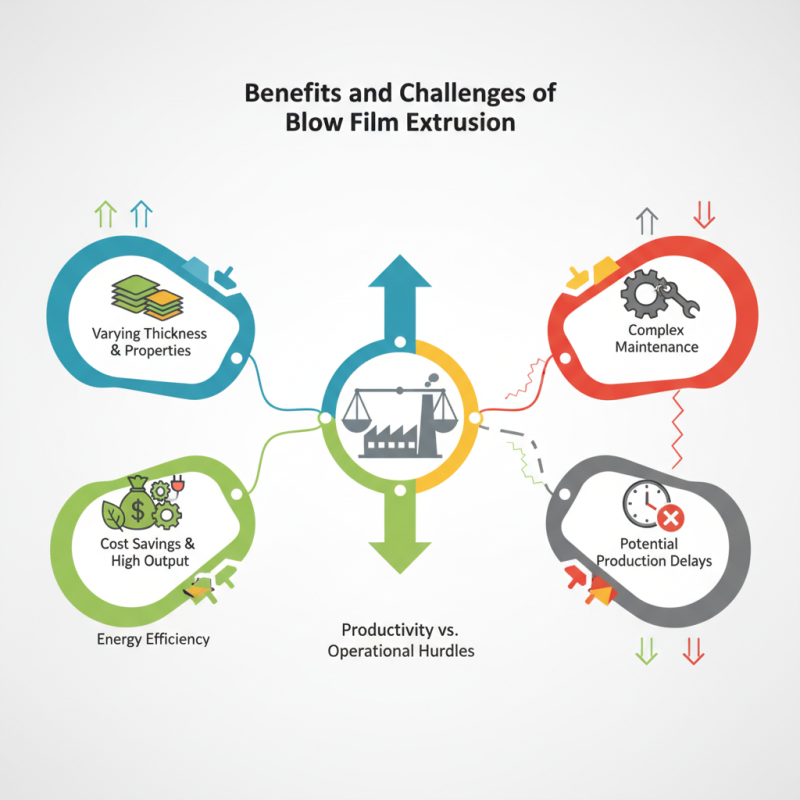
One of the key benefits of these machines is their ability to create films with varying thickness and properties. This customizability helps businesses meet specific market needs. Additionally, they offer substantial cost savings due to their high output rates and energy efficiency. However, despite their advantages, they are not without challenges. Maintenance can be complex and, if neglected, may lead to production delays.
In this competitive landscape, understanding the benefits and limitations of Blow Film Extrusion Machines is crucial. Companies must weigh the efficiency against potential operational hurdles. By gaining a deeper insight, businesses can leverage these machines to enhance productivity while navigating the challenges they may face.
Key Benefits of Blow Film Extrusion Machines in Modern Manufacturing
Blow film extrusion machines play a significant role in modern manufacturing. They are pivotal for producing versatile plastic films used in packaging, agriculture, and more. The primary benefit is efficiency in production. These machines can produce large volumes of film, which minimizes downtime and maximizes output. The process is streamlined, allowing for rapid setup and material changes.
Quality control is another crucial aspect. With advanced technology, manufacturers can achieve consistent film thickness and quality. This consistency reduces waste and ensures the final products meet strict industry standards. However, achieving this level of precision requires skilled operators who can monitor the process. Inexperienced handling may lead to defects.
Additionally, blow film extrusion machines are adaptable to various materials. This flexibility allows manufacturers to innovate and respond to market trends quickly. Yet, this adaptability can also complicate the process. Each material requires specific settings and maintenance. Evaluating when to switch materials is essential. It remains a challenge that some producers may overlook, leading to inefficiencies. Understanding these dynamics is vital for enhancing overall production effectiveness.
Enhanced Material Efficiency and Cost Savings in Plastic Film Production
Blow film extrusion machines play a crucial role in optimizing plastic film production. They significantly enhance material efficiency. By utilizing advanced technologies, these machines minimize waste during the extrusion process. This reduction leads to lower raw material costs and promotes sustainable practices in manufacturing.
The production process is not without challenges. Even with modern machinery, some manufacturers face difficulties in achieving consistent film quality. Fluctuations in temperature and pressure can affect the final product. These variables may require operational adjustments, which can lead to delays and increased costs.
Despite the hurdles, the cost savings from improved material usage are undeniable. Manufacturers can produce more film with fewer resources, translating into higher profit margins. As companies prioritize efficiency, investing in blow film extrusion machinery becomes a smart step. This approach not only leads to better materials but also encourages innovation in the ever-evolving plastics industry.
Versatility of Applications: From Food Packaging to Agricultural Films
Blow film extrusion machines serve diverse industries, showcasing their versatility. In the food packaging sector, these machines produce flexible films that protect products. They ensure freshness while extending shelf life. The films can be tailored for various applications, from pouches to wraps. Customization allows for features like barrier properties and heat seals.
In agriculture, blow film extrusion plays a crucial role. Farmers use these films for greenhouse covers and mulch. They help regulate temperature and moisture, promoting better crop yields. These films are lightweight, making them easier to handle. However, there can be challenges. Consistency in film thickness is important but difficult to achieve. Variability can impact performance, leading to waste.
The range of applications demonstrates the impact of blow film extrusion in daily life. Yet, companies must continuously refine the process. Striving for enhanced quality while addressing environmental concerns is vital. The industry is facing scrutiny over plastic waste. Exploring sustainable alternatives is becoming a necessity. This creates a pathway for innovation and improvement.
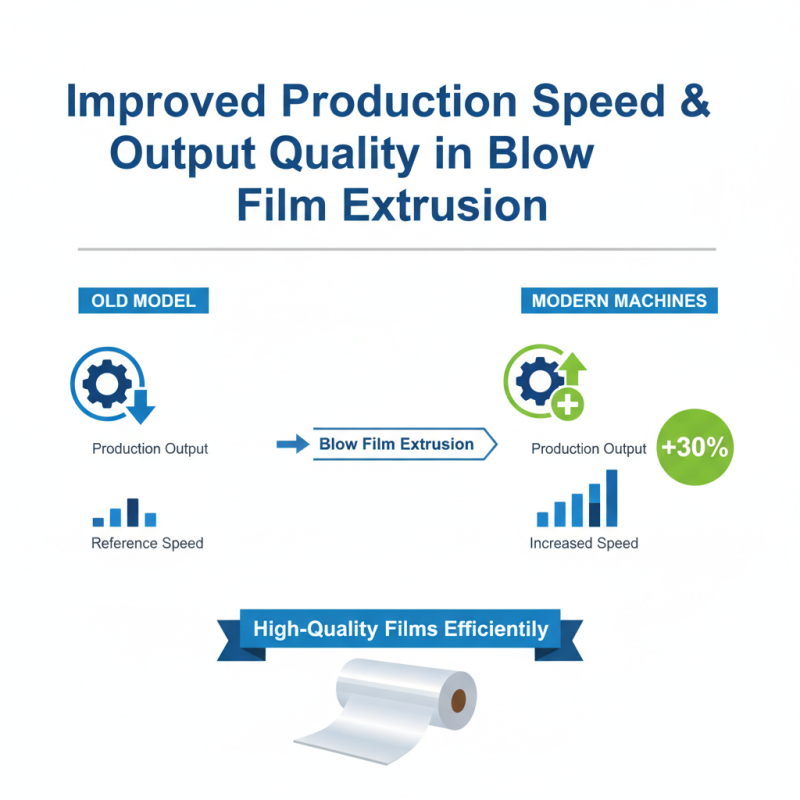
Improved Production Speed and Output Quality in Blow Film Extrusion
Blow film extrusion has gained attention for improving production speed and output quality. This method allows manufacturers to create high-quality films efficiently. Recent industry reports indicate that modern blow film extrusion machines can increase output by 30% compared to older models. This is a significant advantage in a competitive marketplace.
The precision of temperature control in these machines enhances product quality. Reports show that better temperature management results in uniformly thick films, reducing waste. For instance, films with consistent thickness tend to have a tensile strength increase of up to 15%. This boosts durability, making the final products more reliable and appealing.
However, the transition to advanced blow film extrusion technology is not without challenges. Some manufacturers struggle to adjust to newer systems. There can be a learning curve related to machine operation and maintenance. Additionally, the initial investment may be substantial. This leads to questions about the return on investment. Despite these hurdles, the benefits of higher output rates and improved film quality are substantial and often outweigh the inconvenience of adaptation.
Technological Advancements Driving Innovations in Extrusion Processes
Blow film extrusion machines have seen significant technological advancements in recent years. These innovations, driven by the need for efficiency and sustainability, enhance production processes. One critical development is the improvement in material compatibility. Newer machines can process a broader range of polymers. This flexibility allows manufacturers to experiment with eco-friendly materials, contributing to greener production practices.
In addition to material changes, automation has revolutionized these machines. Modern blow film extrusion systems now incorporate advanced control systems for better precision. Operators can adjust parameters in real-time, ensuring consistent quality. However, not all operators may be trained to optimize these advanced features. This creates a gap in utilizing the machine's full potential.
Energy efficiency is another area where technology has made strides. Machines today consume less power while maintaining output levels. However, the initial investment can be challenging for smaller companies. They must weigh the benefits of advanced features against their budget constraints. As the industry evolves, balancing cost with technological benefits will be vital for many manufacturers.
Key Benefits of Blow Film Extrusion Machines