How to Choose the Best Industrial Robot for Your Business?
Choosing the right Industrial Robot can significantly impact your business. Robots enhance efficiency and can reduce labor costs. However, the process isn't always straightforward. Many factors come into play when selecting the best option for your needs.
Understanding your operational requirements is essential. What tasks will the Industrial Robot perform? Also, consider the robot's compatibility with existing systems. Some businesses make the mistake of overlooking these details, which can lead to costly adjustments later. It’s vital to evaluate your production environment and workflow.
Beyond technical specifications, think about the support and training available. A robot is only as effective as its operator. You need access to reliable resources. This ensures a smooth transition and effective usage of your new Industrial Robot. Investing in the right technology requires careful consideration and a critical eye.
Understanding Your Business Needs for Industrial Robots
Understanding your business needs is crucial when selecting the right industrial robot. Begin by evaluating your production processes. Identify tasks that could benefit from automation. Consider aspects such as speed, precision, and workload.
A robot that excels at one task may not perform well at another. For instance, welding and assembly robots have different capabilities and requirements.
Next, assess your facility’s layout and workflow. A robot must fit seamlessly into your existing environment. Think about the space available and the potential for expansion. Flexibility can be an important factor.
Some robots offer customization options to better suit unique operational needs. Keep in mind that a mismatch in size or function can lead to inefficiencies.
Finally, consider your budget and return on investment. It’s tempting to choose the most advanced model. However, sometimes, simplicity is more reliable. Focusing on specific tasks can yield better results and lower costs.
Reflect on your long-term goals. Will your needs change over time? Choosing a robot that can adapt to your evolving requirements might save you from future challenges.
Evaluating Different Types of Industrial Robots Available
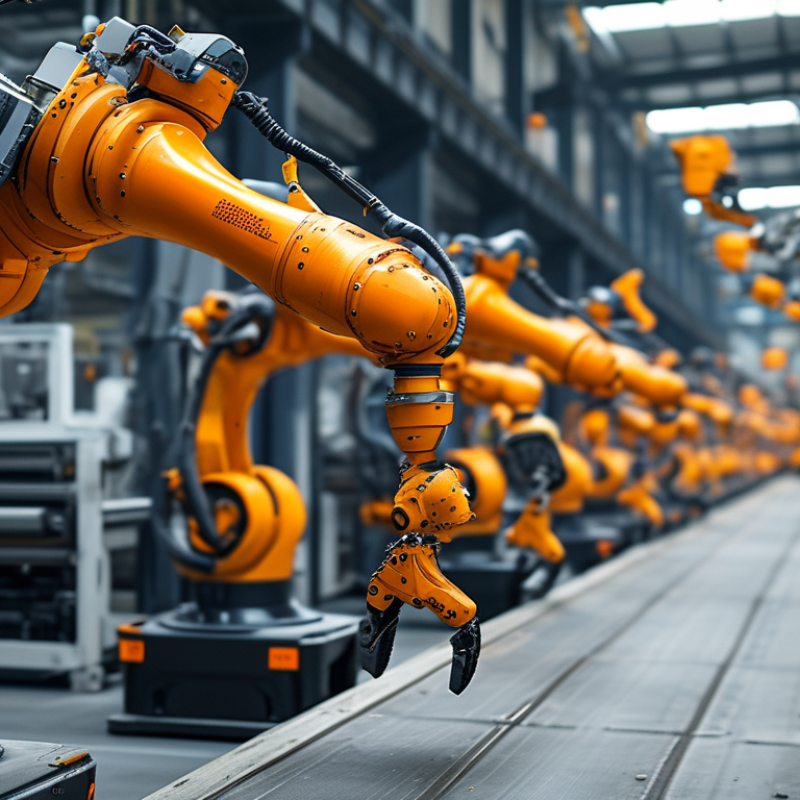
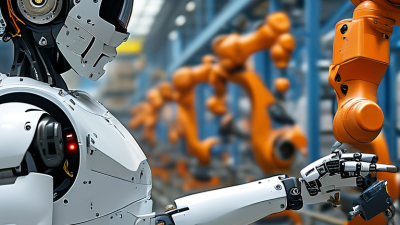
When selecting industrial robots, it's essential to consider the various types available. Robots can vary significantly in function and design. The key categories include robotic arms, collaborative robots, and autonomous mobile robots. Robotic arms are often used for tasks like assembly and welding, providing high precision and strength. Collaborative robots, or cobots, work alongside humans, enhancing safety and flexibility in operations.
Evaluating these types requires understanding your specific needs. For instance, robotic arms excel in repetitive tasks but may lack the adaptability of cobots. If your production line demands flexibility, you might find cobots more suitable. Autonomous mobile robots, on the other hand, can transport materials within a facility, promoting efficiency. Consider the layout of your workspace and the potential for integration with existing systems.
However, the selection process isn't without challenges. Not all robots are compatible with every environment. Some may struggle in complex spaces or require significant training. It's vital to analyze the potential return on investment and maintenance needs. Reflecting on these factors can lead to a more informed decision, ensuring the robot aligns with your business goals.
Key Features to Consider When Choosing an Industrial Robot
When selecting an industrial robot, several key features must be taken into account. Payload capacity is vital. Depending on the tasks, businesses may need robots that can handle heavy loads or lighter, more precise applications. The global average payload capacity for industrial robots is around 1 to 3 tons, according to a recent market analysis.
Another crucial aspect is the robot’s reach. A robot with limited reach may not cover the desired workspace effectively. For instance, robots with a reach of approximately 1.5 to 3 meters are common in assembly lines. However, longer reach may be necessary for larger operations. Precision is equally important. Some industries require robots to perform tasks with tolerances as tight as ±0.02 mm. This level of precision can impact product quality significantly.
Integration capabilities are also essential. Robots that easily interface with existing systems save time and reduce costs. The lack of compatibility can lead to project delays. Lastly, support and training from manufacturers can impact long-term reliability. It's critical to assess the ongoing maintenance needs and the availability of spare parts. Industrial robotics carries risks, and businesses must carefully evaluate these features to meet operational demands effectively.
Assessing Cost-Effectiveness and ROI for Your Robot Investment
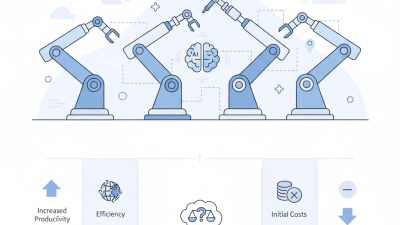
Investing in industrial robots can transform your business. However, assessing cost-effectiveness and return on investment (ROI) is crucial. It's essential to analyze the initial purchase price and ongoing maintenance costs. These factors can significantly impact your bottom line. Simultaneously, consider the robot's efficiency. A more efficient machine typically offers higher output and lower operational costs over time.
Evaluate how the robot will integrate into your existing production lines. Sometimes, costs arise from necessary modifications to fit new technology. Furthermore, calculate potential downtime caused by training staff or transitioning processes. It might seem minor, but these disruptions can affect overall ROI.
Analyze long-term benefits too. Are you expecting increased production volume? Will the robot reduce labor costs significantly? These factors play a vital role in your investment decision. Don’t overlook future scalability. A robot that grows with your business needs may offer greater value over time. Ultimately, thorough research and thoughtful reflection on your specific requirements will guide you toward the best decision.
Future-Proofing: Ensuring Scalability and Upgradability of Your Robot
When selecting an industrial robot, scalability and upgradability are vital. A robot should grow with your production needs. Many companies face challenges when their equipment becomes obsolete. Investing in a flexible system is crucial for future growth.
Consider a modular design when choosing a robot. This feature allows for easy upgrades without replacing the entire system. Businesses often overlook this aspect, only realizing its importance when they face limitations. A robot that can adapt to new technologies ensures longevity. Frequent technological advancements mean your robots should evolve accordingly.
Collaboration is another essential factor. Robots that work alongside human operators can foster efficiency. However, integration can be complex. Evaluating your current systems is necessary but often underestimated. Focus on compatibility with existing workflows. Ignoring this can lead to costly downtimes and inefficiencies. A thoughtful approach is critical to navigating these challenges in an ever-changing landscape.
How to Choose the Best Industrial Robot for Your Business?
| Criteria |
Description |
Importance Level |
Scalability |
Upgradability |
| Payload Capacity |
Maximum weight the robot can handle. |
High |
Moderate |
Low |
| Operating Speed |
Speed at which the robot can perform tasks. |
Medium |
High |
Medium |
| Flexibility |
Ability to adapt to different tasks. |
High |
High |
High |
| Safety Features |
Includes sensors and shields to prevent accidents. |
High |
Low |
Medium |
| Integration Ease |
How easily the robot can be integrated into existing systems. |
Medium |
Medium |
High |