How to Choose the Best Collector Dust for Your Needs?
Choosing the right collector dust is essential for maintaining a clean and safe environment. In industries like manufacturing and woodworking, incorrect dust collection can lead to significant health risks. A report from the National Institute for Occupational Safety and Health (NIOSH) indicates that respiratory issues can stem from poor dust management. Therefore, selecting the appropriate collector dust can dramatically reduce these risks.
Market analysis reveals that high-efficiency particulate air (HEPA) filters have become the industry standard. Over 90% of manufacturers now prioritize dust collection systems that capture 99.97% of particles. Additionally, many facilities are transitioning to cyclone dust collectors, praised for their efficiency and reduced maintenance. However, decision-makers must also consider their specific operational needs, which can vary greatly.
It's important to remember that the best collector dust is not always the most expensive option. Sometimes, simpler models may suffice for particular applications. Making a choice requires reflecting on both the technology and the unique environment where it will be deployed. Collecting insights from various industry professionals can also enrich your understanding, leading to more informed decisions about collector dust.
Understanding Dust Collector Types: Baghouse, Cartridge, and Cyclone
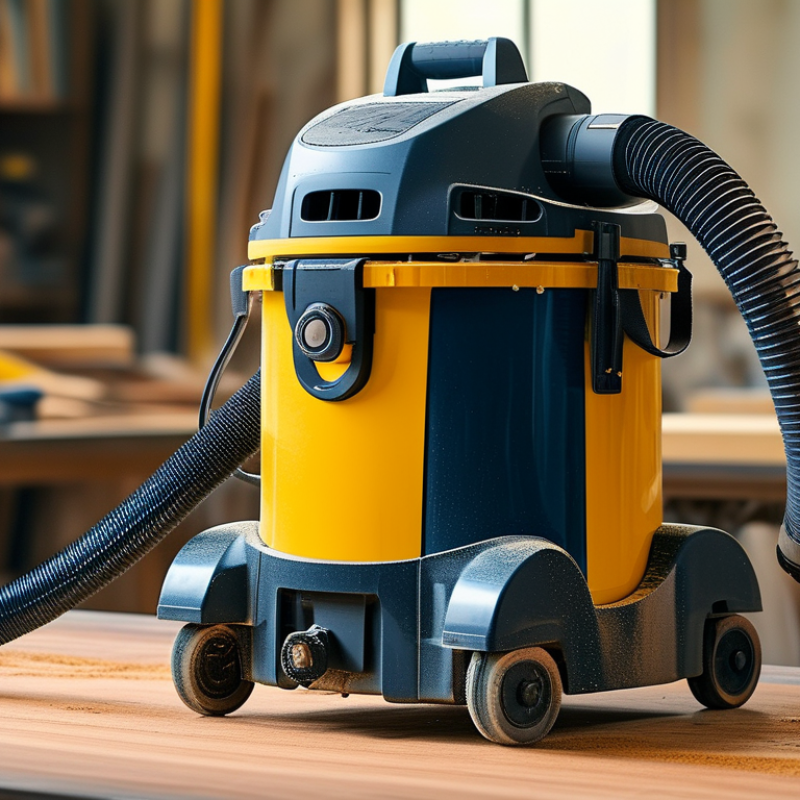
When choosing a dust collector, understanding the options is crucial. Baghouse systems are popular for their high-efficiency filtration. They use fabric filters to capture dust particles. However, maintenance can be challenging. The bags require regular cleaning and replacement. This can lead to downtime for your operation, which may not be ideal for every user.
Cartridge collectors offer a compact design. They use cylindrical filters that provide effective dust control. These systems are easier to maintain than baghouses. They often require less space, making them suitable for smaller facilities. However, their initial cost can be higher than baghouse systems. It's essential to weigh the efficiency against your budget constraints.
Cyclone collectors rely on centrifugal force to separate dust from the air. They are simpler and require minimal maintenance. However, they may not capture finer particles as effectively. This can lead to concerns about air quality. Consider your specific needs before making a choice. Each system has its strengths and weaknesses. Taking the time to analyze your requirements will yield better long-term results.
Comparison of Dust Collector Types: Efficiency and Cost
Evaluating Airflow Requirements: CFM and Static Pressure Considerations
When selecting a collector dust system, airflow requirements play a crucial role. CFM, or cubic feet per minute, measures the volume of air a system can move. It's essential to match this with your workspace needs. For effective dust collection, the average shop requires between 400 to 1,200 CFM, depending on the type of operation. Static pressure, measured in inches of water column, indicates how well the system can overcome resistance. A typical commercial system should maintain at least 5 inches of static pressure.
Tip: Calculate your system's required CFM by assessing the number of tools in use and their cumulative airflow needs. For instance, a table saw typically requires 350 CFM for effective dust control, so consider using a calculator to sum your tool requirements.
Ignoring these airflow metrics can lead to inefficiency. An undersized system may result in inadequate dust removal, while an oversized one could waste energy. Balancing CFM and static pressure ensures a system's longevity. Conversely, inadequate dust capture can harm air quality and worker health, making it essential to choose wisely.
Tip: Always evaluate your workplace layout. Shorter duct runs often lead to improved static pressure. Aim for smooth transitions in ducting to minimize airflow resistance. Keeping bends to a minimum can enhance overall efficiency.
Assessing Filter Efficiency: Importance of MERV Ratings in Dust Collection
When it comes to dust collection, understanding MERV ratings is crucial. The Minimum Efficiency Reporting Value (MERV) indicates how effectively a filter can capture airborne particles. This rating ranges from 1 to 20, with higher numbers showing better filtration. Filters with a MERV rating of 8 to 12 are suitable for residential use, while those rated 13 and above are ideal for commercial environments. They can trap tiny particles, including dust, pollen, and pet dander.
It's important to consider the specific dust types in your space. Not all filters are created equal. A high MERV filter can restrict airflow if your system is not designed for it. This can result in reduced efficiency or increased strain on the equipment. The choice of filter should be based on your dust collection needs, taking into account air circulation and dust concentration. Monitoring filter performance regularly is necessary. Filters may get clogged, diminishing their effectiveness.
Choosing the right filter improves air quality and extends equipment lifespan. However, a higher MERV rating doesn’t always mean better for every situation. Evaluate your environment and adjust your choices. Balancing efficiency with operational capability is key. The wrong filter can lead to bigger issues down the line.
How to Choose the Best Collector Dust for Your Needs? - Assessing Filter Efficiency: Importance of MERV Ratings in Dust Collection
| MERV Rating |
Particle Size (Microns) |
Typical Applications |
Filter Efficiency (%) |
| 1-4 |
> 10 |
Residential HVAC |
< 20% |
| 5-8 |
3-10 |
Light Commercial |
20-35% |
| 9-12 |
1-3 |
Commercial HVAC |
35-60% |
| 13-16 |
< 1 |
Healthcare Facilities |
60-85% |
| 17-20 |
Industrial Applications |
> 85% |
Dust Collection Maintenance: Key Practices for Longevity and Performance
Dust collection systems play a crucial role in maintaining a clean and safe workspace. Regular maintenance is essential to ensure optimal performance and longevity. Without proper care, even the best dust collector can falter and become less efficient.
One key practice is to check the filters frequently. Clogged or dirty filters severely impact airflow. Change or clean them as needed. A simple inspection can save you time and money in the long run. Use a vacuum or compressed air for filter upkeep.
Another important aspect is keeping all components free of dust buildup. Inspect hoses and connections regularly. Ensure there are no leaks. A small gap can lead to significant inefficiencies. Trapped dust can also create fire hazards.
It's wise to establish a consistent maintenance schedule. Mark your calendar for monthly checks or bi-monthly deep cleaning. This habit can extend the life of your equipment. Take advantage of downtime to perform these tasks. Eventually, a well-maintained system will keep your work environment cleaner and safer for everyone involved.
Budget Considerations: Initial Costs vs. Long-term Savings in Dust Collection
When selecting a dust collector, budget considerations are crucial. Initial costs can be deceptive. A lower-priced model may seem appealing but could lead to higher long-term expenses. These expenses include increased maintenance costs and frequent filter replacements. It's vital to analyze the overall investment rather than just the sticker price.
Evaluate your specific needs. Higher efficiency models might have a steep initial price but offer significant savings over time. They can reduce energy consumption and improve air quality. However, some buyers overlook the potential for hidden costs. Assessing your workspace can reveal if a mid-range option might suffice. Sometimes, simpler setups meet the requirements without breaking the bank.
Consider the lifespan of the equipment. Quality dust collectors may cost more upfront but tend to last longer. This durability can translate to better long-term savings. Trust your instincts and research thoroughly. Understanding the trade-offs will help you make an informed decision. Balancing initial costs against future savings creates a clearer financial picture.