How to Choose the Best Dust Collectors for Your Industry
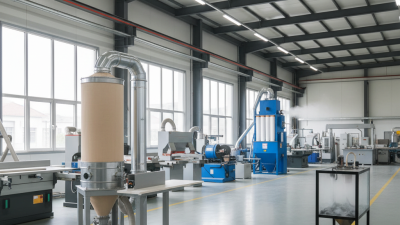
Choosing the best dust collectors for your industry is crucial for maintaining a safe and efficient workspace. Dust collectors play a vital role in reducing airborne particles and improving air quality. Many industries, including woodworking, metalworking, and manufacturing, rely on these systems to protect workers and equipment.
Various options exist, which can make this decision overwhelming. Factors such as filtration efficiency, compatibility, and airflow must be carefully evaluated. Selecting the wrong dust collector can lead to increased health risks and operational inefficiencies. It's essential to consider your specific needs and the dust types produced in your environment.
Being aware of brand reputation and product reviews is also beneficial. Many companies offer extensive guidelines, but personal experiences can vary significantly. Take the time to prioritize what matters most for your operation. A dust collector is not just a purchase; it's a commitment to safety and productivity.
Understanding the Importance of Dust Collection Systems in Various Industries
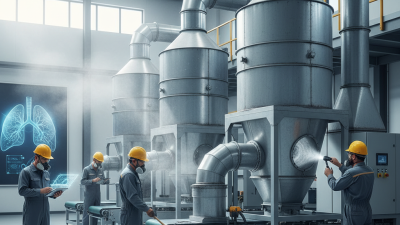
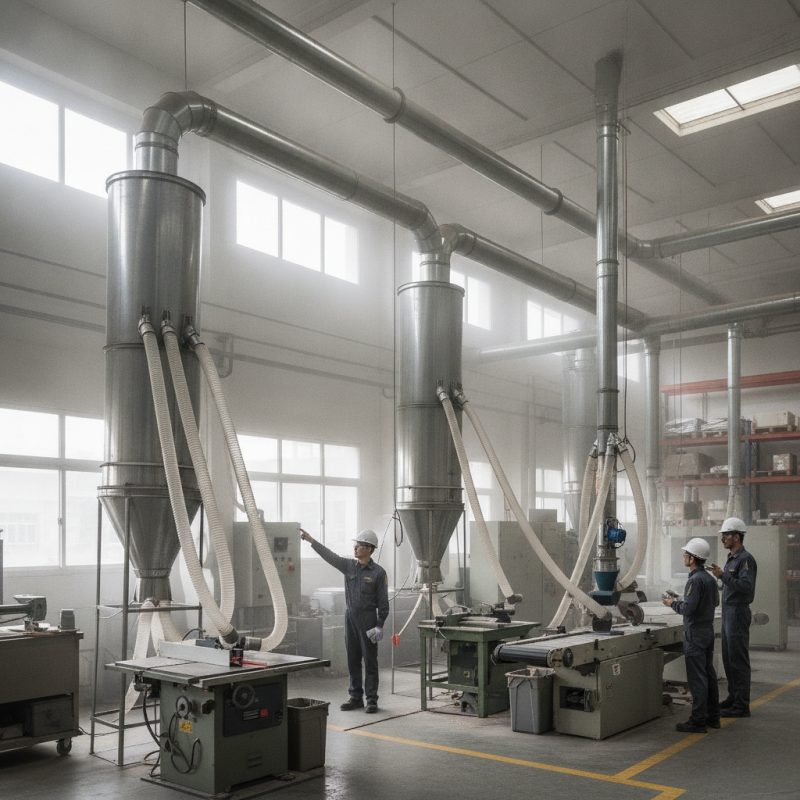
Dust collection systems play a crucial role in various industries. They help maintain air quality by capturing harmful particles. Without them, workers face respiratory issues and other health risks. For instance, woodshops, metalworking facilities, and pharmaceutical plants all produce dust. Each type of dust presents unique hazards to employees. Effective dust collection mitigates these risks significantly.
Employing the right dust collection system can boost productivity as well. When the environment is clean, workers can focus better. Dust can impede machinery, causing breakdowns. Regular maintenance of these systems is essential. Over time, filters can become clogged, and performance might decrease. Companies need to reflect on their dust management strategies regularly.
It's important to consider the specific needs of an industry. Not every system fits all environments. Some areas require explosion-proof features due to flammable dust, while others might prioritize noise reduction. Understanding these nuances is key to selecting an effective dust collection solution. Failure to address these aspects can lead to inefficiencies and safety hazards.
Identifying Industry-Specific Dust Collection Requirements
When selecting a dust collector, understanding industry-specific requirements is crucial. Different sectors generate unique types of dust, each necessitating tailored solutions. For instance, woodworking industries produce fine particulate matter that can pose severe health risks if not managed correctly. Choosing a collector that effectively captures these particles is essential.
In metalworking, the dust can include metallic shavings and harmful contaminants. A system designed to handle heavier debris becomes necessary. Clarity on the nature of dust helps in selecting the right filtration technology. Some industries might also need explosion-proof setups. Assessing potential hazards should not be overlooked.
Awareness of airflow needs is vital. Many facilities require high airflow rates to ensure safety and efficiency. Each industry may have unique airflow requirements that must align with local regulations. Not all dust collectors offer the same performance under varying conditions. Regular assessments and adjustments might be needed to maintain optimal operation, ensuring both safety and compliance.
Evaluating Different Types of Dust Collectors Available on the Market
Selecting the right dust collector for your industry requires careful consideration of various types available on the market. According to a recent industry report, nearly 80% of manufacturers prioritize air quality due to its impact on worker health. Effective dust collectors reduce airborne contaminants, ensuring a safer workspace. Understanding different types, such as baghouse, cartridge, and cyclonic collectors, is essential for making an informed choice.
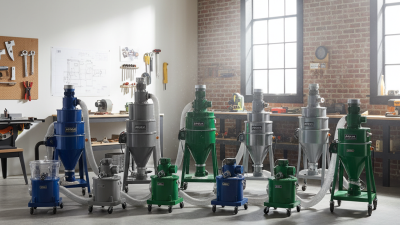
Baghouse collectors are popular for their efficiency in collecting fine particulate matter. They can handle large volumes, making them suitable for industries like woodworking and metal fabrication. In contrast, cartridge collectors are compact and easily fit into tight spaces. They are ideal for operations with smaller dust particles. Cyclonic collectors offer a more maintenance-friendly solution, separating dust from air without filters. Their effectiveness varies based on specific applications.
Evaluating energy efficiency is also crucial. A study by the Industrial Ventilation Association indicates that inefficient systems can lead to increased operating costs. It's important to choose models with a low energy consumption rate. Regular maintenance and replacement of filters are often overlooked. These factors affect the performance and longevity of dust collectors. Reflecting on these elements will help improve workplace safety and operational efficiency.
Dust Collector Types Comparison
Key Features to Consider When Selecting a Dust Collector
When selecting a dust collector, understanding key features is essential. The efficiency of a dust collector largely depends on its air-to-cloth ratio. This ratio indicates how much airflow is filtered through the collector's fabric. A higher ratio often implies higher efficiency, but it may require more maintenance. It's crucial to balance efficiency with ease of cleaning.
Another important factor is the type of filter media used. Different industries produce various types of dust, and the filter must match these needs. For instance, fine particulate matter may require specialized filters for effective capture. Testing the filter’s performance in real conditions could reveal limitations that are not apparent in specifications alone.
Noise levels also matter. In many workplaces, excessive noise can lead to discomfort or hinder communication. Choosing a dust collector that operates quietly can improve the overall work environment. However, a quieter machine may not always provide the necessary power. Reflecting on these aspects can help in making an informed decision. Proper research and consideration will lead to better long-term results.
How to Choose the Best Dust Collectors for Your Industry - Key Features to Consider When Selecting a Dust Collector
| Feature |
Importance |
Typical Value/Range |
Considerations |
| Airflow Rate (CFM) |
Crucial for efficient dust collection |
500 - 5000 CFM |
Match with machine requirements |
| Filtration Efficiency |
Ensures fine dust capture |
99.9% for fine particles |
HEPA filters preferred for toxic dust |
| Noise Level (dB) |
Impact on operator comfort |
70 - 85 dB |
Consider soundproofing solutions |
| Dust Storage Capacity |
Frequency of emptying |
10 - 100 gallons |
Larger capacity reduces downtime |
| Portability |
Flexibility in usage |
Stationary vs. mobile units |
Choose based on workspace layout |
| Ease of Maintenance |
Impact on operational costs |
Monthly to quarterly service |
Look for tool-less filter access |
Maintenance and Compliance: Ensuring Optimal Dust Collection Performance
Effective maintenance is crucial for any dust collection system. Regular inspections can identify issues before they become significant problems. Dust collectors should be cleaned and maintained routinely. This includes checking filters, ensuring proper airflow, and inspecting for leaks. Small issues, if neglected, can lead to reduced efficiency and increased safety hazards.
Compliance with industry standards cannot be overlooked. Each industry has specific regulations regarding dust emissions. Understanding these requirements helps in maintaining optimal performance. It is essential to keep records of maintenance activities. Documentation provides proof of compliance during inspections. It also guides future maintenance actions.
Investing in staff training is equally important. Employees should understand the functioning of dust collectors. They need to recognize warning signs of malfunction. Regular training updates foster a culture of safety and awareness. It's an ongoing process, and constant improvement is essential. This focus on maintenance and compliance will ultimately enhance productivity and safety in the workplace.