Top 10 Dust Collectors for Efficient Workshop Cleanup?
Maintaining a clean workshop is vital for both productivity and safety. Dust collectors play a crucial role in improving air quality and reducing health risks. According to the National Institute for Occupational Safety and Health, inhalation of fine dust particles can lead to severe respiratory issues. Therefore, choosing the right dust collector becomes essential.
In recent years, the market for dust collectors has seen significant growth. Reports indicate a compound annual growth rate of over 5% in the dust collection industry. However, not all dust collectors perform equally. Some models may not capture fine particles effectively. It’s essential to assess various factors such as filter efficiency, airflow, and placement within the workshop environment.
The right dust collector not only enhances air quality but also contributes to a more efficient work atmosphere. Many users report increased productivity with reduced clean-up times. However, improper setup or inadequate systems can cause inefficiencies. It's crucial to be vigilant and make informed decisions to ensure a healthier workspace.
Understanding the Importance of Dust Collectors in Workshops
Dust collectors play a vital role in maintaining a clean and safe workshop environment. They collect fine particles, reducing the amount of dust that settles on surfaces. This not only enhances air quality but also protects equipment and tools from premature wear. Workshops can be messy places, and managing dust is essential for health and productivity.
Tips for choosing a dust collector include assessing the size of your workshop and the types of materials you work with. A larger workshop may require a more powerful system. Think about the airflow and filtration capabilities; these will greatly affect efficiency. It’s easy to overlook the placement of the dust collector. Proper positioning ensures maximum dust collection.
Regular maintenance of dust collectors is important. Clogged filters reduce effectiveness and create health hazards. Don’t ignore the noise level as well; quieter options may improve your work environment. Familiarize yourself with the collector’s manual for optimal performance. Reflect on your workspace frequently to identify areas needing improvement.
Key Features to Consider When Choosing a Dust Collector
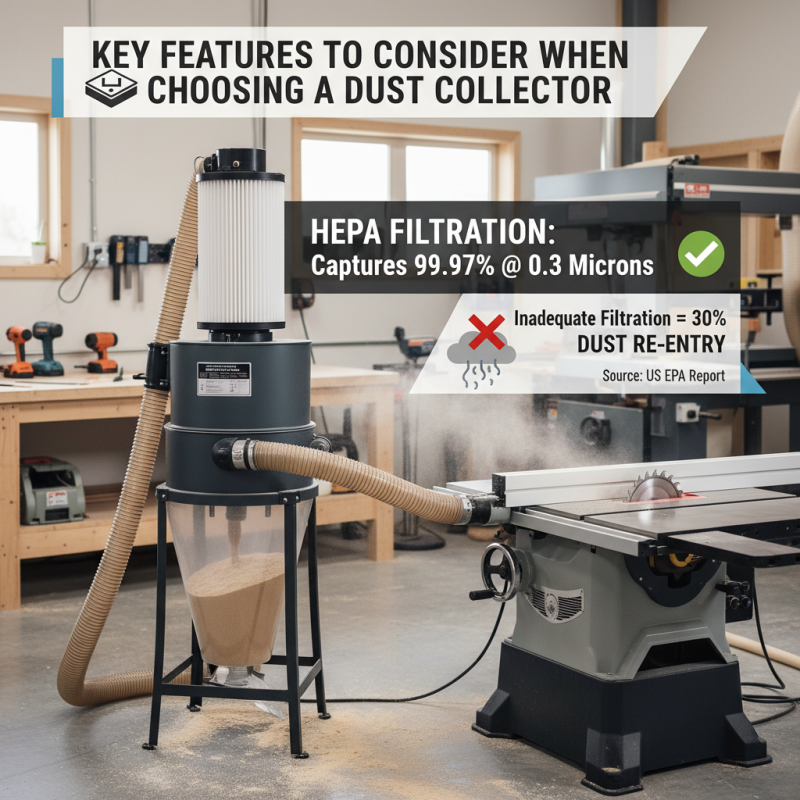
When selecting a dust collector for your workshop, several key features can significantly impact efficiency and safety. First, consider the filtration system. A unit with a HEPA filter captures 99.97% of particles as small as 0.3 microns. According to a report by the U.S. Environmental Protection Agency, inadequate filtration can lead to up to 30% of harmful dust re-entering the air. This can pose serious health risks over time, especially in enclosed spaces.
Another important aspect is the airflow rate, measured in CFM (cubic feet per minute). The ideal dust collector should provide sufficient CFM for your workspace. Most woodworking shops require about 400-1,000 CFM for proper dust extraction. Research from the Woodworking Machinery Industry Association indicates that poor airflow can greatly diminish a unit's effectiveness, leaving hazardous particles lingering.
Noise levels also matter. Prolonged exposure to loud machinery can damage hearing. Look for models that operate under 85 decibels, which the CDC considers safe for extended use. Assessing these features thoughtfully allows for a safer and cleaner workshop environment. Remember that even the most efficient collector may need adjustments and regular maintenance to retain optimal performance levels.
Top 10 Recommended Dust Collectors for Various Workshop Needs
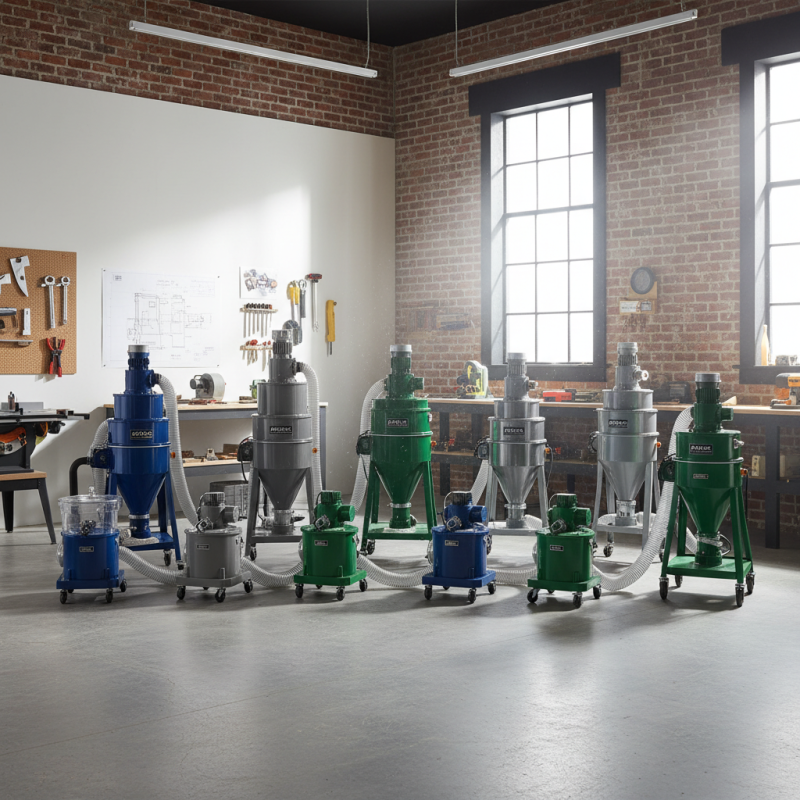
When setting up a workshop, keeping it clean is crucial. Dust collectors are an essential tool for maintaining air quality and reducing cleanup time. Selecting the right dust collector can make a significant difference. There are different types suited for various workshop needs, from small woodworking spaces to larger industrial setups.
For hobbyists or smaller workshops, portable units are ideal. They are easy to move and typically quieter. Many models can effectively handle debris from sawdust or metal shavings. In contrast, larger workshops benefit from more robust stationary systems. These have higher suction power and can handle multiple machines simultaneously. They often come with advanced filtration systems. However, these setups can be more costly and require more space.
It's important to consider maintenance needs as well. Some dust collectors need regular filter cleaning or replacement, adding to the cost over time. Others may have features that simplify this process. Users may find that personal preference plays a role in choosing between a sleek design and higher functionality. Reflecting on these details can lead to a better purchase decision.
Maintenance Tips for Optimal Performance of Dust Collectors
Dust collectors play a vital role in maintaining a clean and safe workshop environment. Regular maintenance ensures optimal performance and longevity of these essential machines. According to industry reports, improper maintenance can reduce dust collection efficiency by up to 50%. To avoid this, consider these maintenance tips for your dust collectors.
First, routinely check the filters for clogs or wear. A dirty filter affects airflow and decreases suction power. It's recommended to clean or replace filters every six months, depending on usage. Some workshops may need more frequent checks based on the volume of dust produced. Keeping a log of filter maintenance can foster accountability.
Additionally, inspect the collection bags and hoppers regularly. Full collection bags can lead to poor performance. Many users overlook this simple step, leading to excess dust circulating in the air. Empty collection bins promptly to ensure efficiency. Don't ignore the importance of checking ductwork for leaks. Even small gaps can hinder airflow, impacting overall effectiveness.
Lastly, ensure your dust collector is placed in a well-ventilated area. This can prevent overheating and prolong machine life. Address common issues like noise levels, as they often signal underlying problems. By focusing on routine maintenance, workshops can achieve efficient cleanup and a healthier working environment.
Top 10 Dust Collectors for Efficient Workshop Cleanup
| Model |
Airflow (CFM) |
Filter Size (sq. ft.) |
Noise Level (dB) |
Price (USD) |
| Model A |
1200 |
10 |
70 |
350 |
| Model B |
900 |
8 |
68 |
300 |
| Model C |
1500 |
12 |
72 |
400 |
| Model D |
1100 |
9 |
75 |
380 |
| Model E |
1300 |
11 |
71 |
360 |
Evaluating Cost vs. Efficiency in Dust Collection Systems
When investing in dust collection systems, it’s crucial to weigh cost against efficiency. Many options exist, but the right choice depends on your specific workshop needs. Larger systems may have higher initial costs, yet they often provide superior filtration and airflow. Smaller models are more affordable, but they may not handle heavy debris efficiently. This can lead to additional cleanup time, impacting overall productivity.
Consider the long-term savings as well. High-efficiency filters may cost more upfront, but they often last longer and require less frequent replacement. Lower efficiency systems might save money initially but can lead to higher ongoing expenses. It’s essential to evaluate your workshop size and the volume of dust generated. A system that meets the needs of a small workshop may fall short in a larger space, resulting in dissatisfaction and wasted resources.
Dust collection effectiveness also depends on proper maintenance. Filters can clog, and systems can become less efficient over time. Regular checks are necessary to ensure optimal performance. Balancing the cost of upkeep with the purchase price is vital. This reflection on efficiency ensures your investment brings lasting benefits to your workshop cleanup efforts.