How to Choose the Right Extruder Screw for Your Needs?
Choosing the right extruder screw is critical for optimizing processing performance in various industries. According to a recent report by the Association of Plastic Engineers, approximately 70% of extrusion issues arise from improper screw selection. This statistic underscores the importance of making informed decisions on this vital component.
Renowned extruder screw expert Dr. Emily Roberts states, "The right screw can make or break your extrusion process." Her insights remind us that not all screws are created equal. Different applications require different designs. For instance, the choice of screw geometry impacts material flow and product quality significantly.
In the rapidly evolving world of extrusion technology, understanding your specific requirements is essential. Taking the time to evaluate the material properties and desired end-product characteristics can lead to better outcomes. This exploration process is often overlooked. Finding that perfect balance can be challenging, but it yields great rewards. The right extruder screw can enhance efficiency and reduce waste in production.
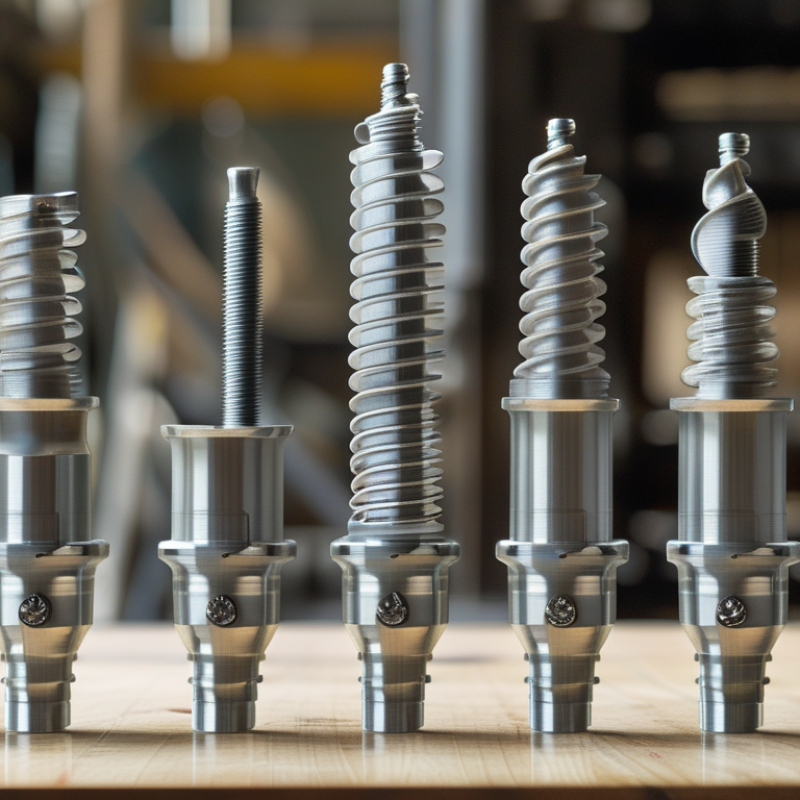
Understanding the Role of Extruder Screws in Processing Materials
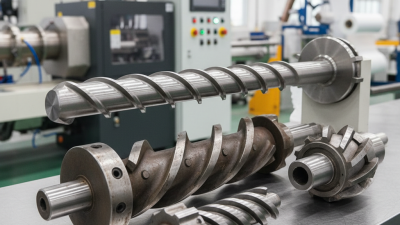
Extruder screws play a pivotal role in material processing. These screws are designed to transport, mix, and shape materials during extrusion. Their design directly affects the efficiency and quality of the final product. Understanding the nuances of screw geometry is crucial. Variations in pitch, depth, and design will influence flow rates and material characteristics.
Selecting the right extruder screw is not a straightforward task. For instance, a screw that works well for one type of polymer might not perform effectively with another. Additionally, processing conditions such as temperature and pressure can alter the effectiveness of a screw. It’s important to experiment and adjust based on specific material properties. Manufacturers often face challenges when they choose screws without adequate testing.
Knowledge of the processing parameters helps in making informed decisions. For example, a screw with a shorter pitch can enhance mixing but may reduce throughput. Balancing these elements requires expertise. Continuous learning and adaptation to new materials are essential for success in this field. Many professionals find themselves questioning their decisions over time. This reflection fosters improvement and innovation in their processes.
How to Choose the Right Extruder Screw for Your Needs?
| Material Type |
Recommended Screw Geometry |
Typical Diameter (mm) |
Length-to-Diameter Ratio (L/D) |
Common Applications |
| Polyethylene (PE) |
Single Flight with Barrier |
40-90 |
20-30 |
Films, Sheets, Blow Molding |
| Polypropylene (PP) |
Conical Twin-Screw |
40-90 |
20-25 |
Injection Molding, Automotive Parts |
| Polyvinyl Chloride (PVC) |
Multi-Flight, High Compression |
50-100 |
25-30 |
Profiles, Pipes, Window Frames |
| Thermoplastic Elastomers (TPE) |
General Purpose Single-Screw |
30-70 |
15-25 |
Flexible Products, Sealants |
| Nylon (PA) |
High Torque, Long Length |
30-80 |
30-40 |
Engineering Parts, Films |
Key Factors to Consider When Selecting an Extruder Screw
Choosing the right extruder screw involves several key factors that impact performance and efficiency. One of the main considerations is the application. Different materials require varying screw designs. Understanding the properties of the material will guide your selection. For instance, high-viscosity materials may need a different screw profile compared to low-viscosity options.
Another important factor is the desired output. Extruder screws can be designed for either high throughput or specific processing characteristics. Using a screw that aligns with your production goals will enhance efficiency. It's also essential to consider wear and tear. Some materials cause more abrasion on screws, so selecting durable materials can prolong screw life and reduce costs. Monitoring performance regularly is crucial to identifying wear patterns and making timely adjustments.
Additionally, don't overlook the importance of a screw's geometry. Features like flight depth, pitch, and length all impact material flow. An inappropriate design can lead to issues like uneven melting or inconsistent mixing. It's wise to reflect on past experiences with screw performance and adjust future selections accordingly. This iterative process can refine your approach and lead to better outcomes over time.
Types of Extruder Screws and Their Specific Applications
Choosing the right extruder screw involves understanding the specific applications and types available. Various types of extruder screws serve unique functions, impacting the efficiency of the extrusion process. For instance, a single screw is ideal for processing thermoplastics due to its simplicity. In contrast, a twin-screw extruder excels at mixing and dispersing materials. Research by the Society of Plastics Engineers indicates that twin-screw systems can enhance productivity by up to 40%.
Each type of extruder screw has its applications. A barrier screw design is beneficial for processing materials with wide viscosity ranges. This type allows for better melting and mixing of polymers, resulting in a higher-quality product. Statistics show that using a barrier screw can increase melt temperature by 10-30%. On the other hand, the co-rotating twin-screw is perfect for compounding and allows for enhanced control over shear rates.
Selecting the appropriate screw requires careful consideration of material type, desired output, and processing conditions. Many manufacturers struggle with choosing designs that fit their unique needs. It is crucial to reflect on past performance and be willing to make adjustments based on trial runs. Data from academic journals highlight that continuous optimization can lead to improved consistency and product quality over time.
How Screw Geometry Affects Material Flow and Mixing
Choosing the right extruder screw is crucial for efficient material flow and optimal mixing. Screw geometry is a significant factor that influences these processes. A study published by the American Society of Mechanical Engineers revealed that specific designs can enhance throughput by up to 30%. Geometry affects the compression ratio, which determines how effectively materials are melted and mixed.
When considering screw design, it's essential to examine the flight angle and pitch. A higher pitch allows for increased material flow, while a smaller angle promotes better melting. Research shows that screws with a 30-degree angle yield better mixing results for certain polymers compared to those with steeper angles. Altering these parameters can lead to substantial changes in product quality and processing times.
It’s advisable to run trials before finalizing screw designs. Testing various geometries under real working conditions can help identify the most effective option. Reviewing flow rates and mixing efficiency during these trials can lead to significant insights. Ensure that the materials used are compatible with the screw design, as mismatches can reduce performance. Always document the results to learn from both successes and failures, guiding future decisions.
Maintenance Tips for Prolonging the Life of Your Extruder Screw
Maintaining an extruder screw is essential for optimal performance. Regular inspection can help identify wear and tear early. Look for signs of damage like scoring or pitting. These issues can affect the quality of the material being processed. Even small imperfections can lead to significant quality issues down the line. A proactive approach can save both time and money.
Cleaning is another critical aspect. Residues can build up over time, affecting efficiency. It is important to follow a consistent cleaning schedule. Use appropriate solvents to remove build-up without damaging the surface. Keeping the screw clean can improve material flow and prevent contamination. Monitor the condition of your screw regularly.
Storage plays a crucial role too. If not in use, keep your extruder screw in a protected environment. Exposure to moisture can promote rust. Using protective coatings can extend the life of the screw. Evaluate your storage practices to maximize the lifespan of this vital component. Implementing these maintenance strategies will enhance performance and durability.