Leave Your Message

China Top 10 Portable Dust Collection System Manufacturers?

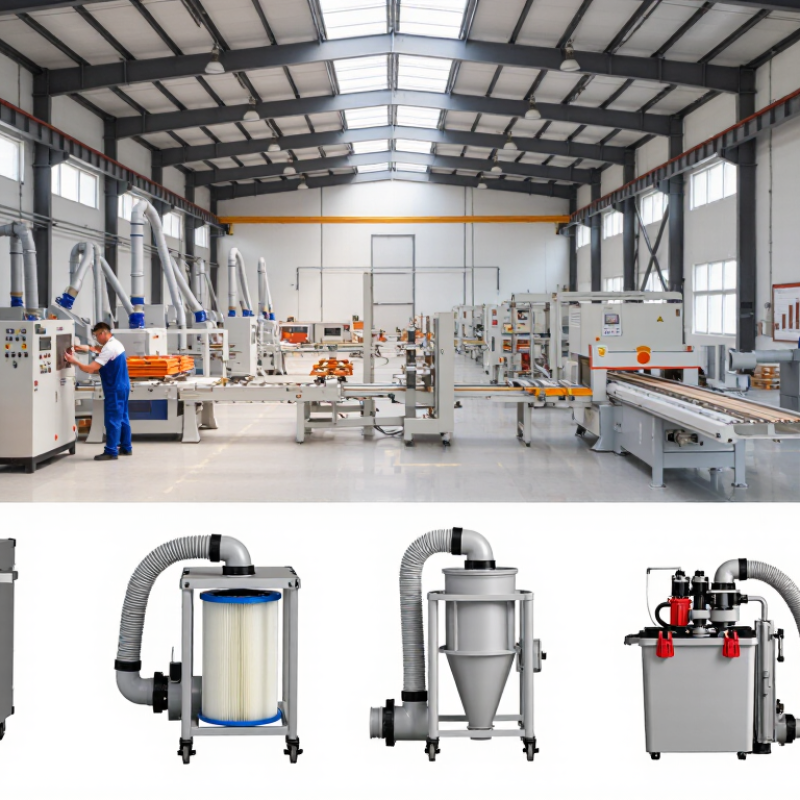
Choosing the right Portable Dust Collection System requires more than comparing motor power or polished product photos. In Chinese manufacturing, suppliers serve woodworking shops, metalworking plants, furniture factories, and mobile maintenance teams. Their systems may include cartridge filters, cyclone separators, flexible hoses, pulse-cleaning units, and compact wheeled frames. Each feature affects airflow, filtration efficiency, noise, and daily handling.

This guide examines China’s leading manufacturers through practical criteria. These include production experience, engineering capability, quality control, export performance, after-sales support, and available certifications. We also consider measurable details, such as air volume, static pressure, filter area, dust-bin capacity, and hose diameter. A unit rated for a small sanding station may not support several machines at once. That difference matters.

Real workshops reveal the truth.

The selected companies are not ranked by marketing language alone. Factory experience, testing procedures, customization options, and replacement-filter availability receive careful attention. However, public information is sometimes incomplete, and specifications can vary between models. Therefore, this list should support supplier research, not replace technical verification. Buyers should request current datasheets, test reports, sample videos, and references from comparable installations. A short factory call can expose details that brochures overlook. Can the supplier explain pressure loss clearly? Can it deliver consistent filters six months later? Those answers often matter more than a low initial quotation.
China Top 10 Portable Dust Collection System Manufacturers?

What Is a Portable Dust Collection System?

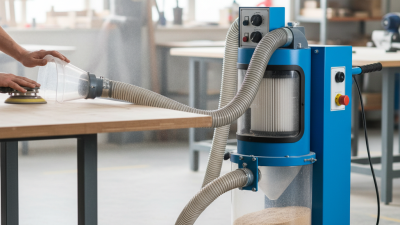
A portable dust collection system is a movable air-cleaning unit for workshops, construction areas, and small production lines. It usually combines a motor, fan, filter, collection container, hose, and wheeled frame. The hose captures dust near a saw, grinder, or sanding tool. The filter then separates particles from the airflow.

Capture happens at the source.

According to OSHA’s Table Z-1, the permissible exposure limit for respirable particulate matter not otherwise regulated is 5 mg/m³ over an eight-hour shift. This figure shows why visible cleanliness is not enough. Fine particles can remain suspended after larger chips disappear. The World Health Organization’s 2021 Air Quality Guidelines set a 24-hour PM2.5 guideline of 15 μg/m³, highlighting the health concern around small airborne particles.

A practical portable system should match airflow, filter efficiency, hose diameter, and dust type. A narrow, long hose can reduce suction noticeably. A clogged filter creates the same problem. Operators should check pressure readings, seals, and collection-bin capacity during real work, not only during factory testing. A high airflow number may look impressive, but it does not guarantee effective capture at the tool. This is where specifications can mislead. Testing conditions are often cleaner than workshops. Noise, wheel stability, filter replacement, and easy cleaning also affect daily reliability.
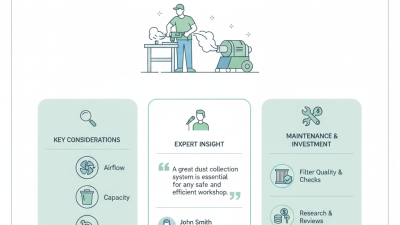
How Portable Dust Collectors Work and Where They Are Used

How Portable Dust Collectors Work and Where They Are Used

Portable dust collectors remove airborne particles near the source. A motor drives a fan, creating negative pressure inside the duct. The airflow pulls dust through a hose, hood, or tool connection. Larger particles fall into a collection drum. Finer particles remain on a cartridge or fabric filter. Air then passes through the filter and returns to the workspace or exits outdoors. Airflow matters. A blocked filter can reduce suction quickly.

In a woodworking shop, the unit may serve a saw, router, sander, or CNC machine. Metalworking areas use portable collectors near grinding and deburring stations. Renovation teams also use them for concrete dust and drywall residue. Some applications require high-efficiency filters, especially when workers handle very fine particles. The correct filter depends on particle size, material, and exposure risk.

Practical setup matters as much as motor power. Keep the hose short, inspect seals, and place the hood close to the cutting point. Filters clog. That detail is often underestimated. A collector can sound powerful while losing capture at the tool. Operators should check airflow, empty the container safely, and follow the manufacturer’s maintenance instructions. Portable equipment also has limits: it cannot replace ventilation, personal protective equipment, or a proper hazard assessment. A small workshop may need less capacity than a production floor, but poor duct sizing can still make either system ineffective.

Key Criteria for Choosing a Chinese Manufacturer

Choosing a Chinese portable dust collection system manufacturer requires more than comparing online prices. Start with dust type, particle size, airflow demand, and daily operating hours. A capable manufacturer should explain how filter media, fan capacity, and sealing design match your process. Ask for airflow curves, filtration data, noise readings, and electrical specifications. Clear documents show engineering discipline. Vague promises do not.

Experience becomes visible during a factory audit. Look for clean assembly areas, traceable components, calibrated test equipment, and workers who understand maintenance. Request a sample test using your actual dust, if practical. Check whether the unit maintains stable suction after several hours. Review welding quality, caster strength, filter access, and control-panel protection. Certifications matter, but they should support real testing. One limitation remains: a short demonstration may not reveal humidity or abrasive dust effects.

Tips: Compare total operating cost, not only purchase price. Confirm spare-filter availability, response times, warranty boundaries, and remote troubleshooting procedures. Put airflow, noise limits, delivery dates, inspection steps, and acceptance criteria in the contract. Ask who pays when performance misses the agreed test. Small details matter. Avoid choosing a supplier solely because its catalog looks polished. Practical after-sales evidence is stronger. Before ordering, have an engineer review the proposal and challenge every unclear assumption.

China’s Top 10 Portable Dust Collection System Manufacturers

China’s Top 10 Portable Dust Collection System Manufacturers

China’s portable dust collection sector serves woodworking, metalworking, construction, and factory maintenance. The ranking should consider airflow, filtration, mobility, noise, and service support. MarketsandMarkets reported that the global industrial dust collector market could reach about USD 10.7 billion by 2028. Its forecast also indicates steady annual growth near 5.7%. This demand encourages Chinese manufacturers to improve compact extraction units.

The strongest ten manufacturers usually provide wheeled collectors, cartridge filters, pulse cleaning, and flexible hose connections. Practical testing matters more than catalog promises. A useful unit should maintain stable airflow when dust loads increase. It should also offer clear filter replacement intervals and accessible spare parts. Some suppliers publish impressive efficiency figures, but field performance can vary. That gap deserves closer inspection. Buyers should request test conditions, particle sizes, airflow readings, and noise data before comparing models. ISO 16890-based filter information can improve technical consistency.

Tips: Check the dust type first. Fine powder needs better sealing and filtration. Confirm the rated airflow at the hose, not only at the motor. Ask for a service record from a similar workshop. A compact machine may look efficient, yet a small bin can create frequent interruptions. Energy use also matters. The U.S. Department of Energy notes that fan systems can consume substantial power when pressure resistance rises. A practical evaluation should measure electricity use, filter life, operator comfort, and cleaning time together.

How to Compare Product Quality, Compliance, and After-Sales Support

When comparing China’s top portable dust collection system manufacturers, inspect performance beyond catalog figures. Check airflow, static pressure, filter efficiency, noise, and motor stability under continuous use. Ask for test reports and sample results from conditions similar to your workshop. A clean, well-finished housing matters. Loose clamps and thin wiring often reveal rushed production.

Compliance should be verified, not assumed. Request applicable electrical, safety, and environmental documentation for your destination market. Confirm whether certificates match the exact model, voltage, and filter configuration. Examine grounding, overload protection, emergency stops, and dust-sealing points during a factory audit or sample inspection. Product quality can vary between batches. That is easy to overlook.

Tips: Compare two working samples, not only brochures. Measure airflow at the hose end. Review filter replacement records, spare-part availability, and warranty response times. Ask who handles technical problems after delivery, and request realistic response deadlines. A useful supplier should provide manuals, installation guidance, troubleshooting videos, and clear service contacts. Communication speed is not enough; solutions must be documented. I would also test packaging by checking corners, casters, and control panels after transport. One weak crate can erase an excellent factory inspection. Some buyers focus heavily on purchase price, which may be a mistake. A cheaper collector can create higher filter, labor, and downtime costs later.

China Top 10 Portable Dust Collection System Manufacturers? - How to Compare Product Quality, Compliance, and After-Sales Support

The table below provides a manufacturer-neutral comparison framework. The figures are industry reference criteria and should be verified against each supplier’s technical documentation, test reports, and service records.

No. Evaluation Dimension Practical Benchmark Evidence to Request Relevant Standard or Reference Suggested Weight
1 Airflow and Static Pressure Compare airflow at the stated operating point, not free-air airflow. Portable systems commonly require approximately 1,000–4,000 m³/h, depending on hose diameter, hood design, and dust load. Fan curve, airflow test report, static-pressure data, hose length used during testing, and operating-point chart. ISO 5801 or an equivalent documented fan-performance test method. 15%
2 Filtration Efficiency For fine or hazardous dust, require a clearly specified filter class. HEPA H13 filtration is commonly rated at a minimum integrated efficiency of 99.95% at the most penetrating particle size under EN 1822. Independent filter test certificate, filter classification, media area, sealing method, and initial pressure-drop data. EN 1822; ISO 29463; application-specific occupational-exposure requirements. 15%
3 Dust Type and Hazard Control The system should be matched to combustible, toxic, abrasive, fibrous, wet, or explosive dust. Ordinary construction is not automatically suitable for combustible or explosive dust. Hazard assessment, dust compatibility statement, grounding details, temperature limits, and explosion-protection design information where applicable. NFPA 660 series, ATEX 2014/34/EU where applicable, and local workplace-safety rules. 12%
4 Filter Cleaning and Service Life Automatic pulse-jet or equivalent cleaning should maintain usable airflow. The design should prevent excessive pressure drop and avoid releasing collected dust during cleaning. Cleaning-cycle description, compressed-air requirements, pressure-drop alarm settings, filter replacement interval, and spare-filter availability. Manufacturer test data and maintenance instructions; ISO 12100 risk-assessment principles where applicable. 10%
5 Containment and Dust Discharge A sealed housing, secure access doors, reliable gaskets, and a low-dust collection method are essential. Bag-in/bag-out or sealed disposal may be required for hazardous dust. Leakage test results, gasket specifications, collection-bin capacity, disposal procedure, and photographs or drawings of access points. EN 60335-2-69 for industrial vacuum cleaners and dust extractors, where applicable. 10%
6 Electrical and Machinery Safety Check voltage, frequency, motor protection, emergency stop, overload protection, grounding, enclosure rating, and safe access to moving parts. Electrical schematic, routine-test record, declaration of conformity, motor data sheet, insulation test, and protective-device specifications. IEC 60204-1, IEC 60335-1, and applicable national electrical regulations. 10%
7 Noise and Operator Ergonomics Noise should be reported at a defined distance and operating condition. Wheels, handles, hose storage, service access, and safe lifting points should support daily use. A-weighted sound-pressure level, measurement distance, vibration data, overall dimensions, weight, wheel specifications, and ergonomic assessment. ISO 11201 or an equivalent acoustic measurement method; local occupational-noise requirements. 8%
8 Manufacturing Quality Control Consistent welding, coating, sealing, electrical assembly, and final inspection are more important than appearance alone. Traceability should cover major components and test results. ISO 9001 certificate, inspection plan, serial-number traceability, incoming-material controls, final-test checklist, and sample inspection records. ISO 9001 quality-management principles and documented factory acceptance testing. 8%
9 Compliance Documentation Documentation should identify the exact model, configuration, electrical rating, intended dust application, limitations, maintenance requirements, and applicable conformity route. User manual, risk assessment, declaration of conformity, technical file summary, test reports, labels, and multilingual safety instructions. Applicable market legislation, CE requirements where relevant, OSHA requirements for the installation, and local standards. 7%
10 After-Sales Support and Total Cost Evaluate warranty duration, response time, spare-part lead time, remote troubleshooting, technician availability, training, filter cost, energy use, and preventive-maintenance requirements. Written warranty terms, service-level agreement, spare-parts list, five-year operating-cost estimate, support contacts, and customer references for comparable applications. Contract terms, documented service commitments, and lifecycle-cost analysis based on actual operating conditions. 5%
Total Suggested Evaluation Weight 100%

Note: A supplier should not be ranked solely by airflow or purchase price. The final selection should be based on the specific dust hazard, required capture performance, legal market requirements, verified test evidence, and the availability of local technical support.