Top 5 Portable Dust Collection System Tips for Global Buyers?
In the world of woodworking and manufacturing, a reliable Portable Dust Collection System is essential. Experts emphasize their importance for both safety and efficiency. John Smith, a leading expert in industrial filtration, once stated, “A quality dust collection system not only enhances air quality but also boosts productivity.”
Selecting the right system can be overwhelming for global buyers. With a myriad of options available, understanding the critical features is key. Different environments may demand different specifications, and what works for one shop might not suit another. It's essential to reflect on specific needs and challenges before making a decision.
Remember, a Portable Dust Collection System must balance portability, efficiency, and cost. Poor choices can lead to dissatisfaction. Investing a little time to research can lead to better results and a cleaner work environment. Look for systems that not only meet industry standards but also receive positive feedback from users. The right choice can make all the difference in your workspace.
Key Features to Consider in Portable Dust Collection Systems
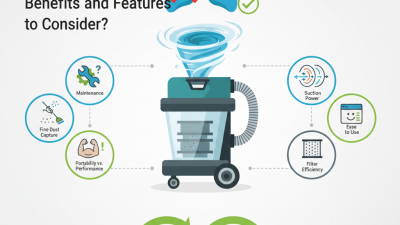
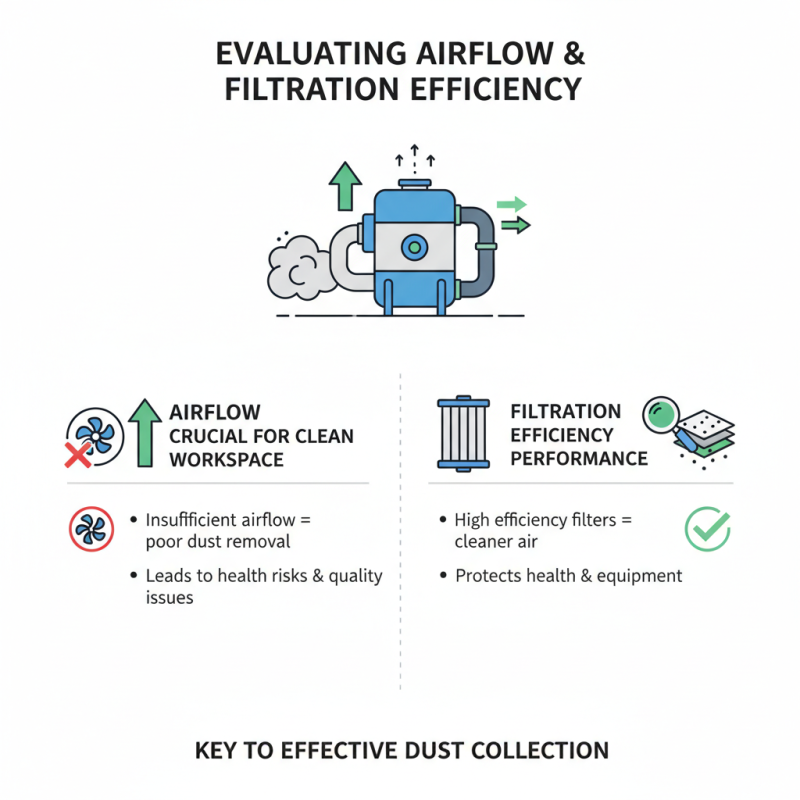
When selecting a portable dust collection system, buyers should consider several essential features. One critical aspect is airflow capacity. Systems with higher CFM (cubic feet per minute) ratings effectively handle larger volumes of dust. According to industry studies, choosing a system with a CFM of at least 300 is advisable for small to medium workshops.
Another vital feature is the filtration efficiency. Systems should ideally have a filter capable of capturing particles as small as 0.3 microns. Filters with a HEPA (High-Efficiency Particulate Air) rating offer superior performance. Reliable data indicates that HEPA filters can capture over 99.97% of such particles, improving air quality in enclosed workspaces.
Tip: Invest in a dust collection system with an automatic cleaning feature. This maintenance innovation extends filter life and performance.
Portability and design are also critical. A lighter, compact system allows for easier movement between work areas. Buyers should look for features like integrated wheels or collapsible components. Transitioning between workspaces becomes seamless with such designs.
Tip: Evaluate the noise levels of the dust collection system. Systems operating below 85 decibels are typically more comfortable for extended use. Reducing noise reduces distractions, enhancing workplace efficiency and comfort.
Top 5 Portable Dust Collection System Tips for Global Buyers
This bar chart illustrates the average performance metrics of key features to consider when selecting a portable dust collection system. The factors assessed include airflow, filtration efficiency, portability, noise level, and capacity, providing a visual comparison that can assist buyers in making informed decisions.
Understanding Portability and Ease of Use in Dust Collection Systems
When evaluating portable dust collection systems, understanding portability is crucial. A recent industry report noted that 63% of users prioritize mobility when selecting a system. Features like lightweight construction and integrated wheels can enhance user convenience. For instance, a dust collection system that weighs less than 50 pounds is easier to transport between job sites, catering to the needs of various projects and tasks.
Ease of use is another significant factor. Systems equipped with user-friendly controls are preferred. Reports highlight that 72% of users prefer systems that can be set up in under 10 minutes. Quick-release hoses and intuitive interfaces make daily operations simpler. Yet, some systems lack sufficient power despite being portable, which can lead to frustration. Buyers should consider both power and portability to avoid this common pitfall.
Moreover, dust collection effectiveness varies significantly among models. A study revealed that systems with high-efficiency particulate air (HEPA) filters can reduce airborne dust by up to 99.97%. However, portability often compromises filter capacity. Buyers must recognize the trade-offs between efficiency and convenience. Finding the right balance may require some experimentation and reflection on individual needs.
Assessing Cost vs. Quality: A Guide for Budget-Conscious Buyers
When choosing a portable dust collection system, cost and quality often clash. Budget-conscious buyers face a challenging decision. It's crucial to assess your specific needs first. Determine how much dust your projects generate. This helps in selecting an appropriate system size and capability. A unit that's too small might not collect all particles, making your workspace unsafe.
Next, consider the materials used in construction. Systems made with durable components often have a higher upfront cost. Yet, they can save money over time. They last longer and require fewer repairs. Cheaper models might look tempting but could lead to frequent replacements. Pay attention to the filtration efficiency as well. Some systems have better filters that can capture finer dust particles, ensuring cleaner air.
Buyers should also research user reviews and recommendations. Real-world experiences provide insights into reliability and performance. It's wise to check warranties offered, which can signify manufacturer's confidence in quality. Sometimes, a higher price tag reflects advanced technology. However, understanding your actual requirements may lead to a satisfying compromise between cost and quality. Thoughtful consideration can help you make a more informed investment.
Exploring Industry Standards and Certifications for Dust Collectors
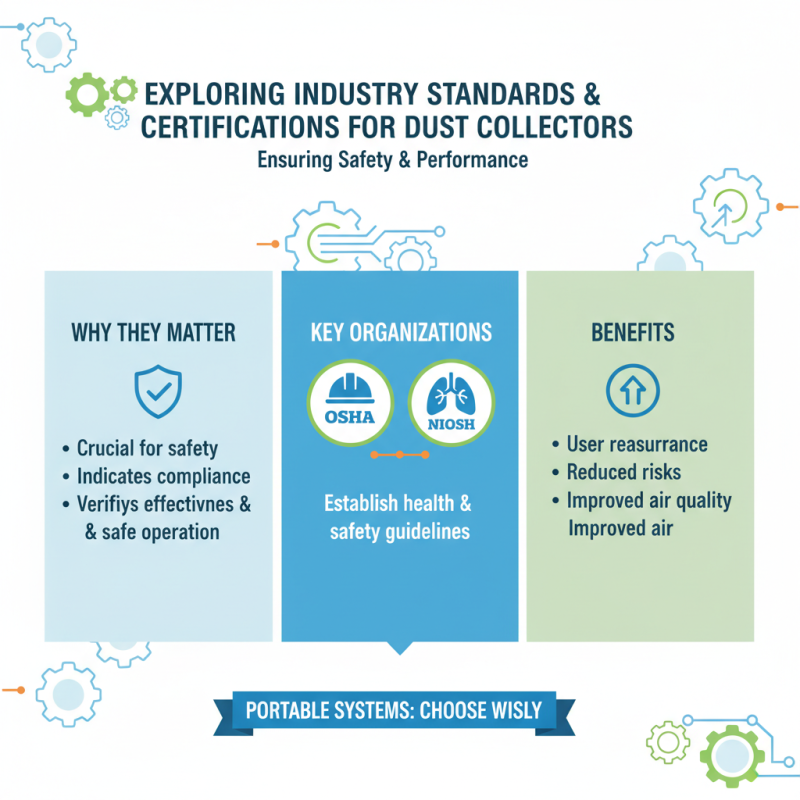
When choosing a portable dust collection system, understanding industry standards is crucial. Various certifications indicate compliance with safety and performance benchmarks. Organizations like OSHA and NIOSH establish guidelines for dust collectors, ensuring they meet health and safety requirements. Compliance with these standards reassures users that the equipment is effective and safe to operate.
The performance of a dust collector also hinges on its efficiency metrics. Look for systems with high-efficiency particulate air (HEPA) filters. These filters capture small particles, improving air quality. However, not all models disclose their efficiency ratings clearly. This can create uncertainty about their effectiveness. Evaluating a collector's airflow and filtration capacity is essential for informed purchasing decisions.
Not every portable dust collector adheres to the same quality standards. Some may prioritize cost over performance, leading to subpar results. Buyers should seek information on third-party testing results. These assessments provide a more objective view of the system's capabilities. Engaging with industry experts can also shed light on choosing a reliable system tailored to specific needs.