2026 Best Feed Mixer Types for Livestock Farming
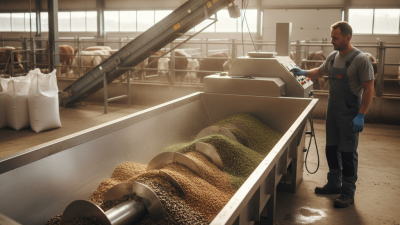
Choosing the right Feed Mixer can shape daily feeding costs, ration consistency, and the time crews spend at the bunk. In 2026, livestock farms can choose from vertical and horizontal auger mixers, paddle mixers, stationary units, and self-propelled models. Each handles ingredients differently. A compact vertical mixer may suit a farm adding long hay, while a horizontal model can offer controlled mixing for particular ingredient blends. But machine type alone does not guarantee a uniform ration.
Dairy nutrition specialist Dr. Mike Hutjens has emphasized the value of consistent ration preparation. His practical advice can be summed up this way: “Consistent mixing supports consistent feeding.” This is a paraphrase, not a verified verbatim quotation. That distinction matters when technical guidance is published. On the farm, details matter too: loading order, batch size, mixing time, knife condition, and moisture can all affect what reaches the feed bunk. A shiny new machine will not correct poor operating habits.
This guide compares the main Feed Mixer types for livestock farming in 2026. It considers herd size, forage length, available power, labor, maintenance, and budget. A mixer that works well for a large dairy may be excessive for a small beef operation. And specifications do not tell the whole story. Real-world performance depends on the ration and the operator. Use these comparisons as a starting point, then check capacity, service support, and performance with your own feed ingredients before choosing.
What Feed Mixers Do in Livestock Farming
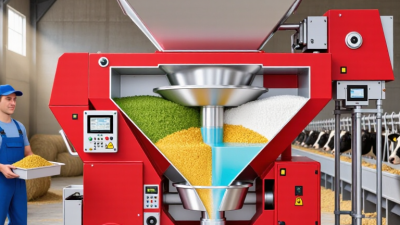
A feed mixer combines forage, grains, protein sources, minerals, and other ration ingredients into a more consistent feed. In livestock farming, that consistency matters: animals are less able to pick out preferred pieces and leave the rest. A well-mixed ration can help deliver nutrients more evenly at each feeding. It is not a substitute for sound ration formulation.
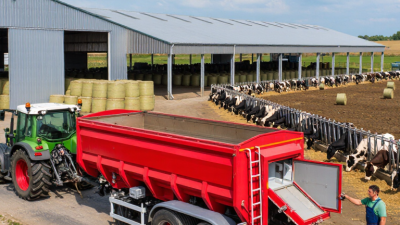
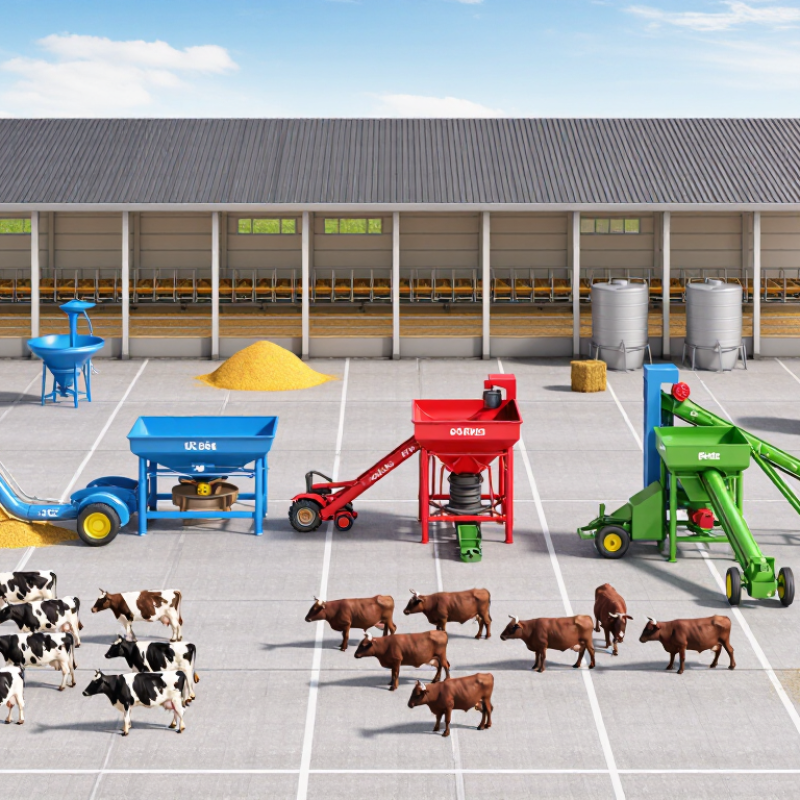
Different mixers suit different jobs. Vertical auger models can handle long forage, while horizontal designs often process chopped ingredients efficiently. A mixer wagon can blend feed and carry it to the bunk, saving handling steps. Capacity, forage length, moisture, and herd size all affect the choice. Bigger is not automatically better.
The mixing process needs attention. Add ingredients in the sequence recommended for the machine, and avoid overfilling it. Watch the load move through the tub; dry powder can cling to damp forage, and long stems may wrap around moving parts. Small changes in mixing time can alter the final texture. More mixing is not always more uniform.
Check the ration at several points along the feed bunk, not just inside the mixer. Look for uneven clumps, leftover sorting, or ingredients settling during delivery. Keep blades and augers in good condition, too. A mixer can make feeding more dependable, but poor maintenance or rushed loading can undermine that benefit. It is easy to focus on the machine and overlook daily habits.
Types of Feed Mixers Used for Livestock Rations
Horizontal, vertical, and continuous mixers suit different livestock rations. The right choice depends on ingredients, batch size, and farm routine.
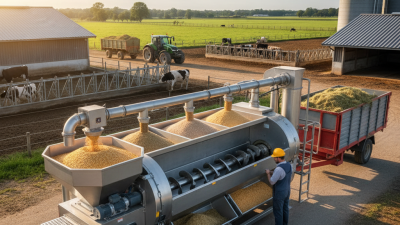
Horizontal mixers use ribbons or paddles to blend grains, minerals, and chopped forage. Ribbon models work well with dry ingredients; paddles can be gentler on fragile components. Vertical mixers use one or more augers to lift and fold long-stem forage. They can handle hay with less pre-chopping, but mixing may take longer. Small details matter: watch for residue beneath the auger and check whether the discharge fits your feeding route.
For total mixed rations, a batch mixer lets staff weigh and blend a measured load before delivery. Continuous mixers suit steady, high-volume operations, though changing recipes can be less convenient. Scale matters. Alltech’s 2024 Agri-Food Outlook estimated 1.29 billion metric tonnes of global feed production across 142 countries. That figure describes industry scale, not mixer performance; it cannot identify the best machine for an individual farm. Check the ration’s moisture, particle size, and mixing time under real operating conditions. I would also test samples from different points in the load. A uniform-looking mix can still separate during transport.
How to Match a Mixer Type to Herd and Feed Needs
Choosing a feed mixer starts with the ration, not the machine. A small dairy herd using chopped forage may suit a compact horizontal mixer. Long-stem hay or occasional bale processing often favors a vertical-auger model. For beef operations, batch size, loading access, and ration changes may matter more than headline capacity. The 2024 Alltech Agri-Food Outlook estimated global feed production at 1.29 billion metric tonnes across 142 countries. Feed systems vary widely, so a universal “best” mixer is unlikely. Compare the daily batch with usable capacity, not just the tank’s advertised volume.
Match mixing action to ingredients. Fine grains and supplements need even distribution, while fragile forage can be over-processed. Penn State Extension’s particle-separator guidance suggests dairy TMR targets of 2–8% on the top sieve, 30–50% on the second, 10–20% on the third, and 30–40% in the bottom pan. Treat these as a diagnostic, not a substitute for ration formulation. Watch refusals. Test, then adjust. Sample several bunk locations and inspect the mix after loading. NASEM’s Nutrient Requirements of Dairy Cattle (2021) stresses animal-specific nutrient needs; the mixer should preserve the nutritionist’s intended ration, not simply create a uniform-looking load. A better machine can still underperform when loading order, knife wear, or operator timing drifts. Record mixing time and maintenance, then recheck particle size and sorting.
2026 Best Feed Mixer Types for Livestock Farming
Approximate commercial batch-capacity ranges by mixer type
Vertical-auger mixers are often a flexible choice for larger, fibrous rations and varied herd sizes. Horizontal-auger mixers can suit consistent, finely processed rations, while paddle mixers are commonly considered for controlled, uniform mixing. Capacity ranges are approximate planning guides, not fixed limits; check the mixer specifications against batch size, ration ingredients, and required mixing quality.
Key Features to Compare in Feed Mixers for 2026
Key Features to Compare in Feed Mixers for 2026
Mixer selection should start with the ration, batch size, and daily workflow—not just the equipment’s stated capacity. Alltech’s 2024 Agri-Food Outlook estimated global feed production at 1.29 billion metric tons in 2023, highlighting the scale of demand for consistent mixing. Compare vertical-auger and horizontal-paddle designs by ingredient type, fiber length, mixing time, and discharge access. A mixer that handles a full load well may perform unevenly when underfilled.
Tips: Check scale and load-cell accuracy, then test a representative batch for nutrient uniformity. Ask how the supplier measures mixing performance; a coefficient of variation (CV) can help, but the acceptable target depends on the ration and feeding plan. Small details matter.
Also compare cleanout time, wear-part access, power requirements, and whether the unit fits your feed alley. Look for a clear service schedule and practical safety features, such as guarded moving parts. I would not treat brochure capacity as a daily target; real loading patterns can differ. Record batch size and mixing time during a trial, and review the results with a qualified nutritionist before changing the ration.