What Are the Benefits of Using Screw Conveyors for Your Business
Screw conveyors have become essential tools in various industries, known for their efficiency in bulk material handling. According to the latest report by the Conveyor Equipment Manufacturers Association, the global market for screw conveyors is expected to grow by 5.4% annually. This reflects a rising demand for reliable and effective material transport solutions.
"Investing in screw conveyors significantly enhances operational efficiency," states John Smith, a leading expert in material handling systems. His insights underscore the importance of these conveyors in streamlining processes. The simplicity of design allows for reduced maintenance, thus lowering operational costs.
However, the reliance on screw conveyors raises concerns about potential wear and tear. Over time, these systems may require parts replacement, impacting efficiency. Businesses must weigh the initial investment against long-term benefits. Despite drawbacks, screw conveyors remain a popular choice for many industries, demonstrating their value in improving productivity and reliability in material handling.
Overview of Screw Conveyors and Their Functionality
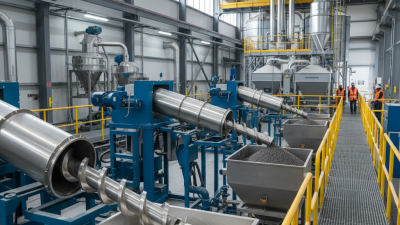
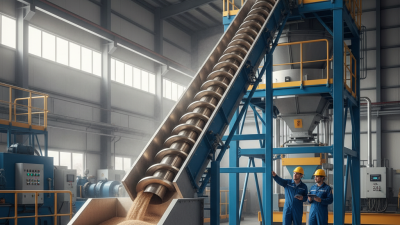
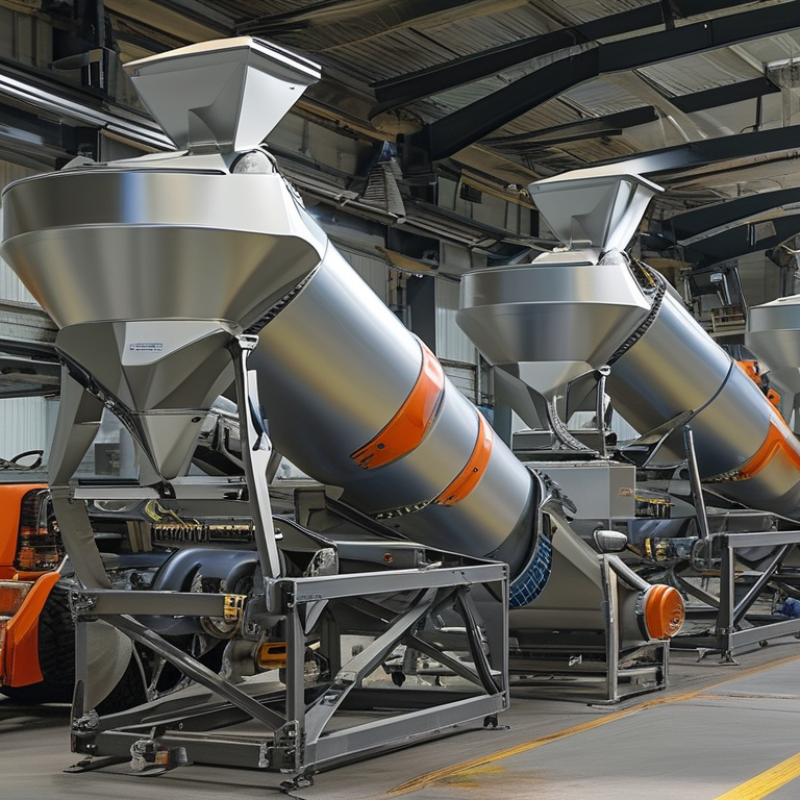
Screw conveyors are essential tools in many industries. They move bulk materials through a rotating screw mechanism. This design allows for efficient transport of various materials, such as grain, sand, or even powders. The versatility of screw conveyors makes them suitable for different applications—balancing performance and simplicity.
The functionality of screw conveyors is straightforward yet effective. The helical screw moves materials along a trough. This movement can be adjusted by changing the speed of rotation. Industries benefit from this flexibility. Food processing and mining are just a few areas where they excel. Installation can be tricky, and sizing needs careful consideration. Using the right diameter and length is crucial for performance.
Reliability is often questioned. Maintenance is necessary to prevent wear and tear. Proper lubrication is essential. Routine checks can help identify issues before they escalate. Sometimes, material clogs can cause delays. Being aware of these challenges allows businesses to improve their processes. Adjustments can lead to better efficiency and productivity in operations.
Benefits of Using Screw Conveyors for Your Business
Key Advantages of Screw Conveyors in Material Handling
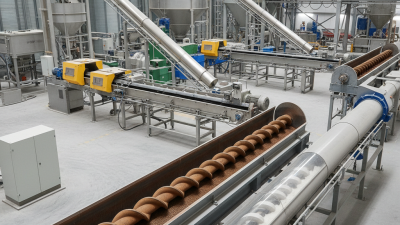
Screw conveyors are vital in material handling. They offer multiple advantages that can enhance operations in various industries. One key benefit is their efficient mechanism to transport bulk materials. Unlike other systems, screw conveyors can move materials at different angles. This flexibility optimizes space and allows for efficient layout designs in warehouses.
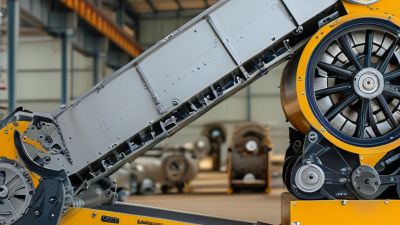
Another significant advantage is their simplicity in operation and maintenance. These systems have fewer moving parts than conveyor belts or other types. This reduces downtime and maintenance costs. Operators find them easy to manage, increasing productivity. Furthermore, screw conveyors can handle a wide range of materials. They work well with powders, granules, or even heavy bulk solids. However, it's essential to choose the correct design based on material type and flow characteristics.
Despite these benefits, there are considerations. For instance, screw conveyors may struggle with sticky materials. This can cause jams and inefficiencies. Regular monitoring and adjustments are crucial for optimal performance. Understanding these limitations can lead to better decision-making in equipment selection. Overall, screw conveyors can significantly improve material handling when properly utilized and maintained.
Efficiency and Cost Savings Through Screw Conveyor Systems
Screw conveyors are becoming essential in many industries due to their efficiency. A report from the Conveyor Equipment Manufacturers Association (CEMA) indicates that these systems can reduce operational costs by up to 30%. They require less energy compared to other material handling methods. By using a screw conveyor, businesses can move bulk materials efficiently, minimizing waste.
In addition, screw conveyors are flexible in design. They can be customized for various applications. This adaptability allows businesses to implement them in tight spaces or for specific material types. A study by the Institute of Materials Handling found that companies integrating screw conveyors improved their throughput by 25% on average. Such efficiency translates into significant savings over time.
However, there's room for improvement in maintenance practices. Some facilities overlook the regular inspection of screw conveyors, leading to unexpected downtime. This can negate the potential cost savings. Implementing a solid maintenance schedule can enhance performance and prolong equipment life. Businesses must strike a balance between efficiency and upkeep to maximize their investment in these systems.
Applications of Screw Conveyors Across Various Industries
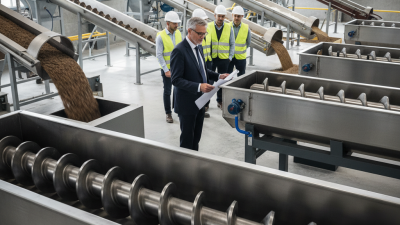
Screw conveyors are pivotal in various industries, playing a crucial role in material handling. In agriculture, these systems transport grains efficiently. The capacity of screw conveyors is impressive, often exceeding 1,000 tons per hour for certain bulk materials. This makes them essential in large-scale operations.
In the food industry, screw conveyors ensure hygienic transport of ingredients. They help maintain the integrity of sensitive products like flour and sugar. According to a recent industry report, over 60% of food processing facilities use screw conveyors for their reliability and effectiveness. However, moisture content in these materials can affect performance. Proper maintenance is vital to prevent clogs.
In mining, screw conveyors handle heavy materials, such as ores and tailings. They offer flexibility in design, fitting various layouts. Reports indicate that 70% of mining operations rely on screw conveyors for transporting materials efficiently. Nevertheless, challenges arise with abrasive materials, which can wear down the equipment. Regular assessments are necessary to enhance longevity and operational efficiency.
Maintenance and Longevity of Screw Conveyors in Business Operations
Screw conveyors are essential in many industrial applications. They handle materials efficiently across various industries. However, their maintenance is often overlooked. Proper care prolongs their lifespan and ensures smooth operation. Regular inspections can identify wear and tear before they lead to bigger issues.
Cleaning is crucial to prevent buildup. Residue can hinder performance, leading to increased energy costs. Lubrication helps reduce friction, and worn parts should be replaced promptly. Understanding when to perform these routine checks can save businesses time and money in the long run.
Some businesses might ignore these maintenance tasks. They think minor issues won’t matter. This mindset can lead to costly breakdowns. Operators must be proactive and make maintenance a priority. Investing in maintenance training for staff can significantly enhance operational efficiency.
What Are the Benefits of Using Screw Conveyors for Your Business - Maintenance and Longevity of Screw Conveyors in Business Operations
| Dimension |
Description |
Benefits |
| Efficiency |
Ability to move large quantities of materials quickly and efficiently. |
Increases productivity by reducing transport time. |
| Maintenance |
Screw conveyors require less maintenance compared to other transport systems. |
Lower operational costs and increased uptime. |
| Longevity |
Designed for long-term use with minimal wear and tear. |
Extended lifespan of equipment reduces replacement costs. |
| Versatility |
Can handle a variety of materials, including powders, granules, and bulk solids. |
Adaptable to different industries and processes. |
| Safety |
Well-guarded design minimizes exposure to moving parts. |
Reduced risk of workplace accidents and injuries. |