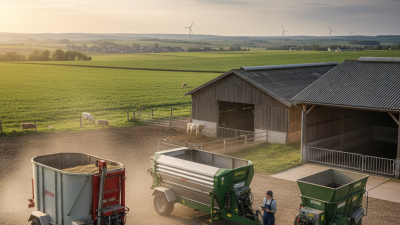
Feed mixing looks straightforward until a ration separates in the bunk or leaves uneven residue in the wagon. The right machine depends on more than capacity. Ingredient texture, batch size, moisture, available space, and cleaning routines all affect performance. A mixer that handles dry grain well may struggle with long hay; a compact unit may suit a small herd but slow a larger operation.
This guide compares the main Feed Mixer types: vertical and horizontal auger mixers, paddle mixers, reel mixers, and stationary systems. Each works differently. Vertical augers can handle long forage, while horizontal designs often offer fast, consistent mixing with suitable ingredients. Paddle and reel models have their own strengths, but performance varies by design and ration. Small details matter: watch how evenly the load moves, whether material clings to the walls, and how much feed remains after unloading.
A note on attribution: without a verifiable source, an expert quotation should not be presented as genuine. As a clearly illustrative composite statement, feed-mixing specialist “Alex Morgan” might put the selection principle this way: “Choose the mixer for the ration you actually feed, not the one you hope to feed.” Treat that as a practical summary, not a documented quotation. Manufacturer specifications and an on-farm trial can help confirm the fit. Even then, no mixer solves every problem; operator habits and maintenance still matter.
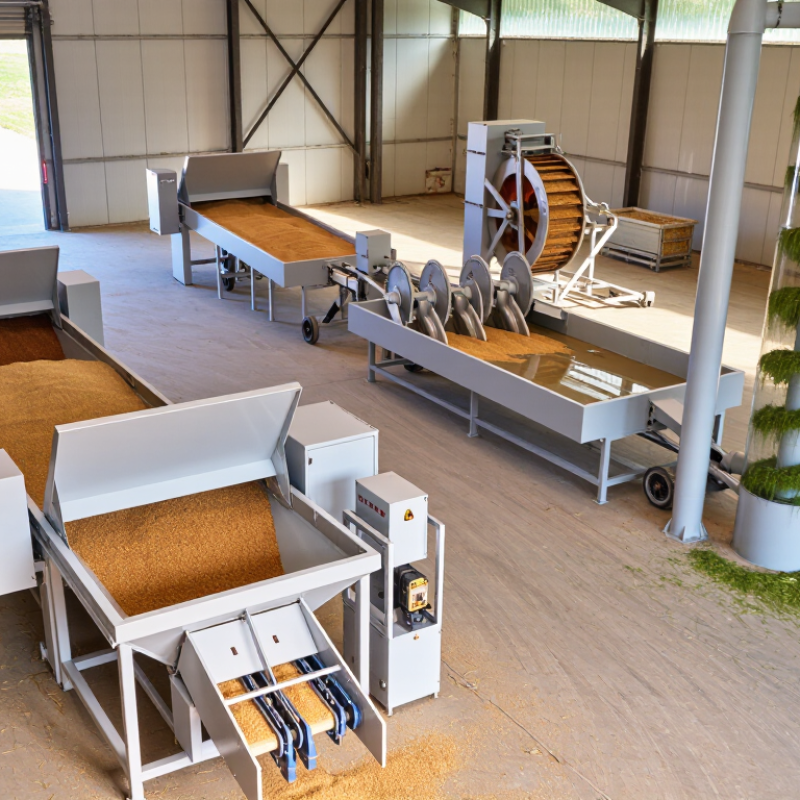
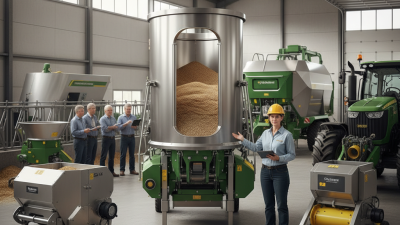
Feed mixers are commonly classified by their mixing mechanism and operating method. Horizontal mixers use rotating ribbons or paddles to move ingredients along a trough. They suit batch production where operators need controlled loading and discharge. Vertical mixers rely on a central auger to lift and circulate material. Their tall chambers can handle long-stem forage, though mixing time and loading order matter. The choice is not merely about machine size. Ingredient texture, moisture, and target batch volume all affect how evenly the mix comes together.
Operation provides another useful distinction: batch or continuous. Batch mixers process measured loads, allowing each ration to be checked before unloading. Continuous systems accept ingredients steadily and discharge a flowing mixture, making them relevant to high-throughput plants. Alltech’s 2024 Agri-Food Outlook estimated global feed production at about 1.29 billion metric tonnes in 2023, based on survey data from 142 countries. That scale helps explain why both operating styles remain in use; it does not mean every facility needs continuous mixing. Small details matter. A damp ingredient can cling to a wall, while excessive mixing may affect fragile components. In practice, the “best” classification can look less clear once real materials enter the mixer.
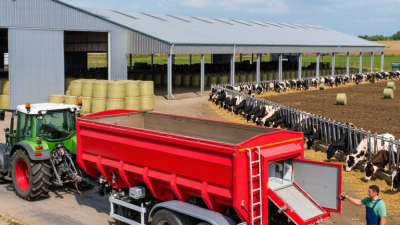
Vertical auger feed mixers use one or more upright screws to lift and fold forage through the tub. This motion can handle long hay and dense silage, making the design useful when rations contain varied particle sizes. A tractor-powered model is also practical for farms that need to move between storage and feeding areas. The trade-off is height: check clearance in sheds and doorways before purchase.
Mixing quality depends on loading order, batch size, and time—not just auger count. Penn State Extension’s Particle Separator guidance uses screen openings of 19, 8, and 1.18 millimeters to sort ration particles and assess consistency. That gives operators a simple way to spot changes, though it cannot diagnose every mixing problem.
A practical check is to collect samples from several points along the feed bunk and compare them. Look for clumps, long forage strands, or visible ingredient separation. Small differences matter.
Avoid assuming that a longer mixing cycle always improves the ration. Overmixing can reduce particle length, while an overloaded tub may leave ingredients unevenly distributed. Keep a written batch record and adjust one variable at a time. It is not perfect science on a busy farm.
Penn State Extension, Particle Separator guidance.
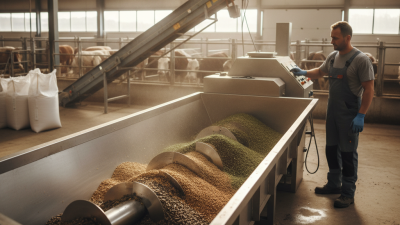
Horizontal auger and ribbon mixers both move feed through a trough, but their mixing patterns differ. Auger models use one or more helical flights to lift and fold ingredients. Ribbon mixers use inner and outer blades, which move material in opposing directions. That visible circulation matters: a handful of mineral premix can settle or travel unevenly if loading order, batch size, or mixing time is poorly controlled.
Uniformity should be measured, not guessed from appearance. Kansas State University feed-mixing guidance commonly treats a coefficient of variation near or below 10% as a practical target for mixer testing. A feed mill can sample multiple points in a batch and compare a suitable tracer or nutrient marker. Small batches deserve care. A mixer filled far below its working range may leave dry pockets near the ends, while overfilling can restrict circulation. Horizontal augers often handle bulky ingredients well; ribbon designs can produce strong cross-flow in suitable batches. Neither guarantees a uniform ration by itself. Check blade wear, discharge residue, and actual mixing time, then retest when the formula or ingredient texture changes. Dusty, fine material can behave differently from chopped forage. Real batches are rarely perfect.
Paddle and reel mixers handle feed differently, so the right choice depends on ingredients and the desired ration. A paddle mixer uses several angled paddles inside a horizontal tub. They lift and tumble material through the mix. This action can suit grain, chopped forage, and mineral ingredients when batch size and mixing time are controlled. Watch the discharge: a uniform-looking load is useful, but it does not prove every portion has the same nutrient balance.
A reel mixer uses a rotating reel, often with augers, to move feed around the tub. Its motion can work well with longer forage particles that need gentle handling. Too much mixing may still break forage down or encourage ingredients to separate during unloading. Small details matter. Check the knives, paddles, and reel for wear, and follow the mixer’s loading guidance. Add heavier ingredients in a measured way, rather than pouring them into one spot. Keep a consistent mixing routine. It is easy to blame the machine when the actual problem is a worn component or an uneven load. Sampling feed at several points can reveal issues that a quick glance misses.
Batch and continuous feed mixing systems serve different production needs. A batch mixer handles a measured quantity of ingredients at one time. Operators load grain, protein meal, minerals, and other components, then mix them for a set period. The finished batch is discharged before the next one begins. This approach makes recipe changes easier to manage and allows samples to be checked between runs. It can suit farms or mills that prepare several formulas in smaller quantities.
Continuous systems keep ingredients moving through the mixer at a controlled rate. Feed components enter through separate inlets, blend inside a mixing chamber, and leave as a steady stream. This can support high-volume production with fewer stops. But ingredient flow must remain consistent. A blocked inlet or uneven feed rate may change the proportions in the finished mix. Small variations matter.
The right choice depends on output, recipe changes, and available labor. Batch systems offer clear separation between formulas, though loading and cleanout take time. Continuous mixers can reduce handling, but they need careful setup and regular checks. Operators should verify ingredient weights, inspect wear points, and test samples for uniformity. A simple visual check is not enough. In practice, maintenance schedules may slip during busy periods; that deserves honest attention. A well-matched system is easier to run reliably.