Why Choose Vertical Shaft Impact for Your Crushing Needs?
The demand for efficient crushing solutions has surged in recent years. Among various methods, Vertical Shaft Impact (VSI) has emerged as a preferred choice for many industries. According to a recent report by the Mining and Minerals Institute, VSI crushers have improved throughput by 20% compared to traditional models. This significant boost in efficiency highlights why many operations are turning to Vertical Shaft Impact systems.
Experts in the field, like Dr. Emily Carter, emphasize the importance of selecting the right technology. "Vertical Shaft Impact crushers provide a unique solution for fine crushing and shaping," she noted. The precision and exceptional output quality have caught the attention of leading companies. However, relying solely on this technology may lead to overlooked operational costs.
While the benefits of VSI are clear, it’s essential to critically assess its application in specific contexts. Overestimating its capabilities without understanding maintenance needs can lead to inefficiencies. Balancing the advantages with potential drawbacks will ensure the best decision is made for crushing needs.
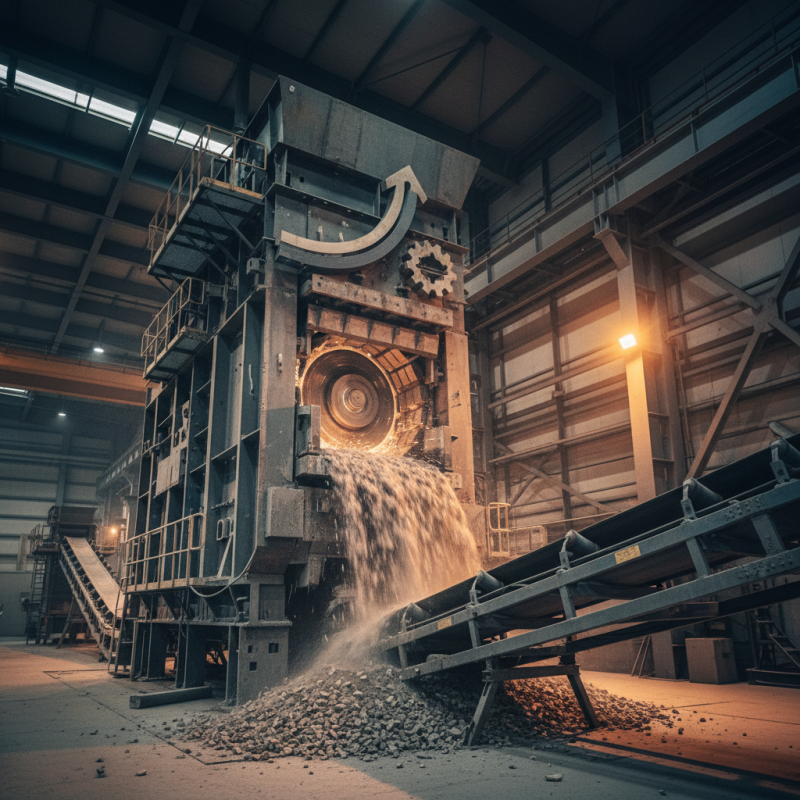
Understanding Vertical Shaft Impact Crushers and Their Functionality
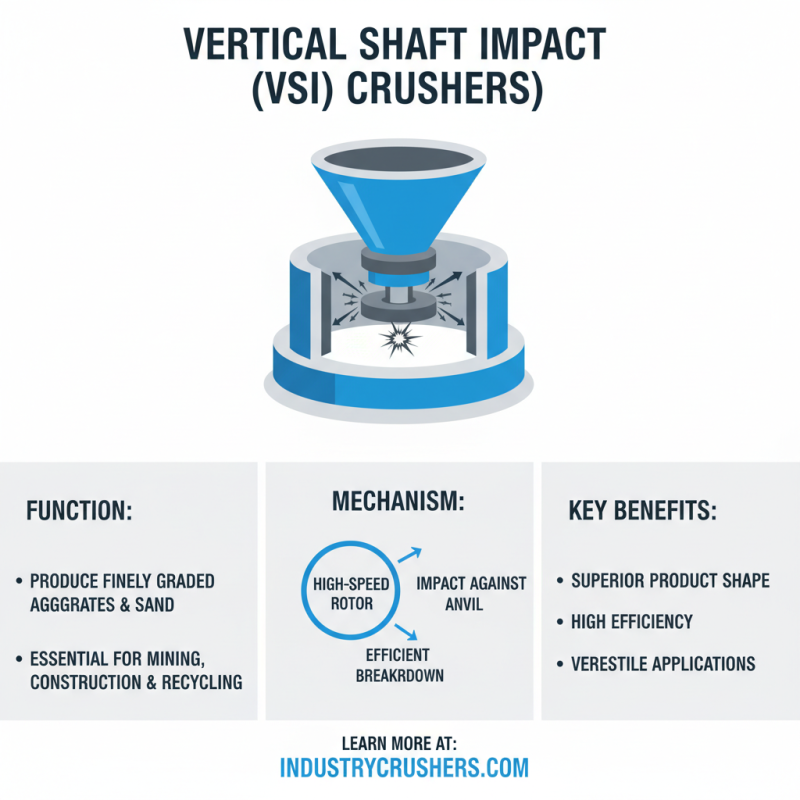
Vertical Shaft Impact (VSI) crushers are essential in many industries. They are designed to produce finely graded aggregates and sand. This makes them vital for mining, construction, and recycling processes. Their mechanism involves a high-speed rotor that throws materials against an anvil. This action breaks down the material efficiently.
The versatility of VSI crushers stands out. They can handle various types of materials, from soft rocks to hard, abrasive ones. The adjustment of the crushing parameters is also quite flexible. Users can adapt their settings for specific feed materials. However, this adaptability can also lead to misuse. Operators sometimes overlook the importance of proper feed size, which can reduce efficiency.
Energy consumption is another area worthy of reflection. While VSI crushers are efficient, improper operation can lead to increased energy use. It is essential to monitor and control the feed and settings closely. This ensures optimal performance and minimizes wastage. Understanding the functionality of VSI crushers helps users make informed decisions in their operations.
Advantages of Vertical Shaft Impact Crushers in Material Processing
Vertical shaft impact (VSI) crushers have gained popularity in the material processing industry. Their unique design allows for more efficient crushing and shaping of raw materials. According to a recent industry report, VSI crushers are known to achieve a 30-50% higher reduction ratio compared to traditional methods. This makes them particularly effective for producing high-quality, cubical aggregates.
One of the significant advantages of these crushers is their versatility. They can handle a wide range of materials, including soft and hard rocks. With proper configuration, they can produce finished products in a single pass. This capability drastically reduces operational costs. Furthermore, the reduced wear and tear can extend the lifespan of the equipment, making it a cost-effective solution.
Some operators report struggles with the learning curve associated with VSI technology. Understanding the machine's settings is crucial for optimal performance. Adjusting the feed material's moisture content can also greatly affect throughput. Despite these challenges, the long-term benefits often outweigh the initial hurdles. The industry's shift towards using VSI units reflects a growing recognition of their effectiveness in both urban and rural material processing applications.
Key Applications of Vertical Shaft Impact Crushers in Various Industries
Vertical shaft impact (VSI) crushers have several applications across various industries. They are particularly effective in producing high-quality aggregates. These crushers work by accelerating material in a rotor. When the materials strike an anvil, they break apart. This method ensures shaping and clean surfaces. It's ideal for producing sand and gravel for construction.
In the mining industry, VSI crushers offer significant advantages. They create finely crushed materials ideal for mineral processing. This is essential for reducing wear and tear on subsequent machinery. However, some users might find adjustments tricky. Proper calibration is necessary for optimum efficiency, and this often requires experience.
Additionally, recycling operations benefit from VSI technology. These crushers can handle diverse waste materials, transforming them into usable products. Yet, there is a learning curve for operators. Understanding material properties takes time. Not all materials respond the same way in a VSI crusher, which can lead to inconsistent results if not monitored closely.
Comparison of Vertical Shaft Impact vs. Other Crushing Technologies
When selecting a crushing technology, understanding the differences is crucial.
Vertical Shaft Impact (VSI) crushers are known for their unique ability to produce high-quality aggregates. They excel in shaping materials thanks to their vertical design and high-speed rotor. This allows them to create finely crushed products with less dust and waste.
In contrast, other crushing technologies often focus on compression. Cone crushers, for instance, crush materials by squeezing them between a fixed and a moving surface. While effective, they can lead to more elongated particles, which may not meet specific requirements.
Hammer mills break down materials through high-speed impact, but they may produce a mix of sizes that isn’t always desirable. Each technology has its strengths, making the choice about context and end goals.
However, it is essential to consider the limitations of VSI technology. The initial costs can be higher, and maintenance may require specific skills. Additionally, not every material is suitable for VSI processing. Analyzing the material type and desired end product is key. Reflecting on these factors will help in making an informed decision that aligns with overall operational goals.
Selecting the Right Vertical Shaft Impact Crusher for Your Needs
When selecting the right vertical shaft impact (VSI) crusher, consider your specific crushing needs. Different materials require different crushing techniques. For instance, if you work with hard rock, a robust machine will handle the task. On the other hand, softer materials need a less intensive approach. Evaluate the types of materials you often process to determine the right model.
Size is a crucial factor as well. The dimensions of the feed material impact the performance of a VSI crusher. If the feed is too large, it may cause jams or inefficiencies. Consider the feed size and ensure the crusher can handle it. Additionally, the desired output size will guide your choice. Do you need sand, gravel, or fine aggregates? It's essential to align your crusher selection with these specifications.
Maintenance and operational costs also matter. Some models might require frequent servicing. This can lead to higher costs over time. It's wise to weigh these factors carefully. Often, buyers overlook these aspects. Ensure you understand the long-term implications of your selection.