Top 10 Feed Mixer Types: Choosing the Best Mixer for Your Farm Needs
In the ever-evolving landscape of agricultural technology, the importance of selecting the right Feed Mixer for optimal farm productivity cannot be overstated. According to a recent report by the Agricultural Machinery Manufacturers Association (AMMA), the global feed mixing machinery market is projected to reach $4.2 billion by 2027, indicating a steady growth as farmers seek advanced solutions for feed preparation. This trend is underscored by the growing awareness of the impact of nutritional balance on livestock health and farm profitability.
Dr. Karen Halfhill, a leading expert in agricultural engineering, emphasizes the significance of choosing the appropriate Feed Mixer for farm operations: "The right mixer not only enhances feed quality but also contributes to the overall efficiency of farm management." As farmers increasingly prioritize precision agriculture, understanding the different types of Feed Mixers available is essential. With various designs tailored to meet diverse farm requirements, ranging from small-scale operations to large commercial enterprises, making an informed choice has never been more critical. This article will explore the top 10 Feed Mixer types available today, providing insights to help farmers select the best mixer for their unique needs, thereby boosting productivity and ensuring livestock health.
Understanding the Importance of Feed Mixers in Agriculture
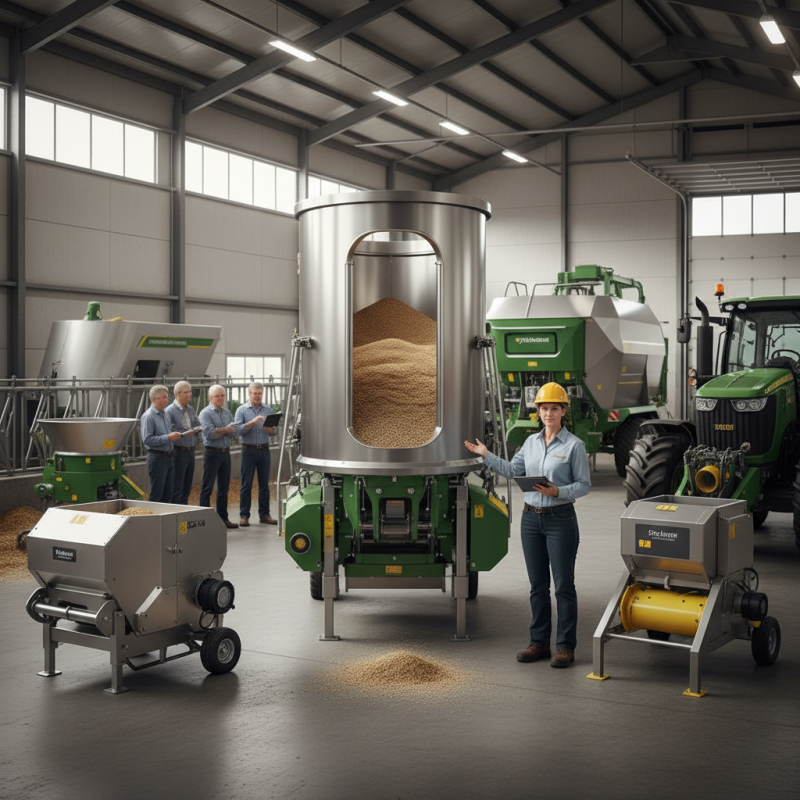
Feed mixers play a crucial role in modern agriculture, providing farmers with the ability to create balanced and nutritious diets for livestock. The importance of these mixers cannot be overstated, as they ensure that feed ingredients are thoroughly combined, minimizing nutritional discrepancies and enhancing overall animal health. By mixing various components, such as grains, protein sources, vitamins, and minerals, farmers can tailor feed to meet the specific requirements of their animals, leading to improved growth rates and productivity.
Moreover, the efficiency of feed mixers contributes significantly to operational productivity on farms. With the capability to process large volumes of feed quickly and uniformly, these mixers save time and labor, allowing farmers to allocate resources more effectively. This is particularly important in livestock operations where the demand for consistent, high-quality feed is constant.
Ultimately, investing in the right feed mixer type is a strategic decision that can lead to better livestock performance and improved economic returns for farmers.
Types of Feed Mixers: A Comprehensive Overview
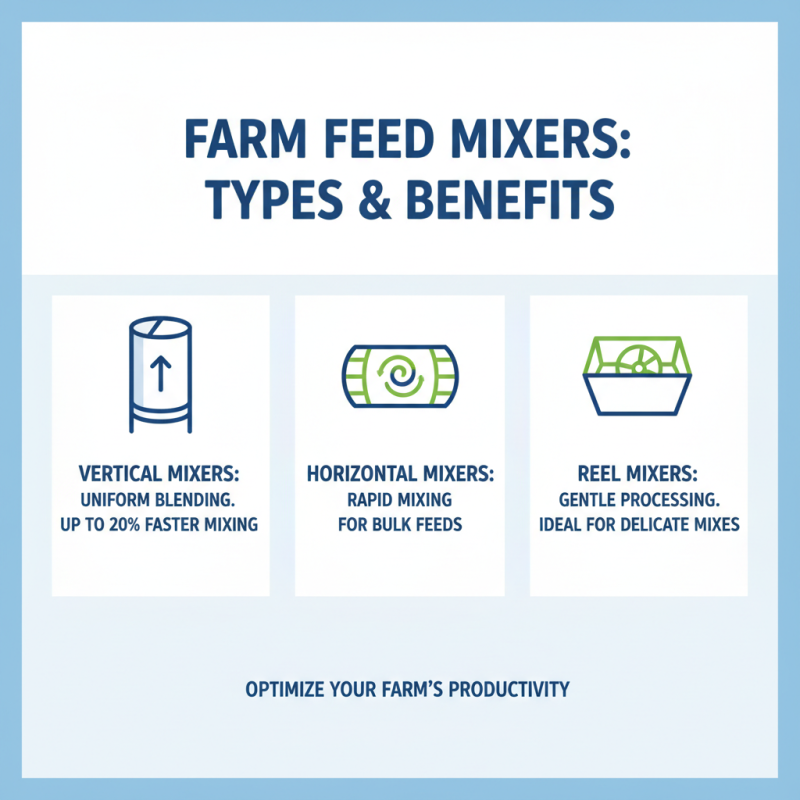
When it comes to optimizing feed production, various types of mixers are available to meet the diverse needs of farms. Feed mixers can be categorized into several types, including vertical, horizontal, and reel mixers, each featuring distinct advantages and tailored to specific farm operations. For instance, vertical mixers are known for their uniform mixing capabilities and efficiency in handling a wide range of feed types. According to industry reports, vertical mixers typically reduce mixing times by up to 20%, thus enhancing productivity on farms where time and quality are crucial.
Horizontal mixers, on the other hand, excel at blending larger volumes of feed quickly, making them suitable for larger livestock operations. Their design allows for a consistent blend, which is essential for maintaining the nutritional balance in animal diets. Research indicates that farms utilizing horizontal mixers can experience a 15% increase in feed efficiency due to the more thorough mixing of ingredients, which ensures that animals receive an even distribution of nutrients in every bite.
Reel mixers provide another innovative option, especially for firms focused on precision. These mixers utilize a unique combination of paddles and reels to achieve an even blend, ideal for mixing bulky ingredients such as forage with grains. A recent analysis revealed that farms employing reel mixers reported improved feed intake and overall livestock health metrics, demonstrating the significant impact of appropriate equipment on farm productivity and animal welfare. Understanding the characteristics and benefits of each type of mixer is vital for farmers looking to enhance their feed preparation processes effectively.
Key Features to Consider When Selecting a Feed Mixer
When selecting a feed mixer for your farm, it's essential to consider several key features that can significantly impact efficiency and productivity.
Firstly, the mixer’s capacity should align with your herd size and the volume of feed required. Evaluating the mixing capacity not only helps in meeting daily nutritional needs but also ensures a consistent supply without excessive downtime.
Additionally, consider the type of mixing action—whether it's horizontal, vertical, or a specialized type—since each design offers different advantages in terms of thoroughness and homogeneity of the mix.
Another critical aspect to focus on is the material and durability of the mixer. Choose a model made from high-quality, corrosion-resistant materials to withstand the rigors of daily use and the harsh agricultural environment.
It's also beneficial to look for mixers that offer adjustable settings, allowing you to fine-tune the mixing process based on the specific feed types and additives you use.
Ease of cleaning and maintenance is another factor that should not be overlooked, as a straightforward cleaning process can help prevent cross-contamination and save you considerable time in the long run.
Analyzing the Advantages and Disadvantages of Each Mixer Type
When selecting the right feed mixer for your farm, it’s essential to weigh the advantages and disadvantages of each type available.
Horizontal mixers, for instance, are well-known for their efficient mixing capabilities, providing a consistent blend of feed.
They generally have a larger capacity, which makes them ideal for farms with diverse livestock needs. However, their bulk makes them less maneuverable in smaller spaces, and they often require more power to operate.
On the other hand, vertical mixers offer a compact design that allows for easy transportation and setup.
Their ability to handle various feed types and textures is a significant advantage on many farms. However, they can take longer to achieve a uniform mix compared to horizontal models, potentially hindering productivity.
Additionally, farmers must consider maintenance costs and the learning curve associated with each mixer type. Understanding these pros and cons helps farmers make informed decisions tailored to their operational requirements.
Best Practices for Maintaining Your Feed Mixer for Longevity
Proper maintenance of your feed mixer is essential for ensuring its longevity and efficiency on the farm.
Regular cleaning should be a top priority; residue from previous batches can lead to cross-contamination and affect the quality of feed produced.
After each use, thoroughly remove any leftover feed and debris. A routine visual inspection should also be conducted to check for signs of wear and tear, such as cracks or rust, which can compromise the mixer’s performance.
Keeping the mixer clean and well-maintained not only extends its lifespan but also enhances the overall quality of the feed.
Additionally, lubrication of moving parts is critical in preventing wear and improving efficiency. Following a manufacturer’s guidelines for lubrication schedules will help maintain the mixer’s functionality.
It’s also advisable to regularly check belts and chains for proper tension and wear; adjusting or replacing them as needed will prevent unexpected breakdowns.
Investing time in maintenance pays off significantly by reducing repair costs and downtime, ensuring that the feed mixer continues to operate at optimal levels for your farm's needs.
Regular attention to these maintenance tasks fosters a reliable feed mixing operation that supports healthy livestock and successful farming practices.