
Choosing the right Screw Conveyors can shape an entire material-handling system. A well-matched unit moves product steadily, protects equipment, and reduces avoidable maintenance. A poor choice may cause bridging, excessive wear, contamination, or costly downtime.
The decision starts with the material, not the catalog photograph. Consider particle size, bulk density, moisture, temperature, abrasiveness, and flow behavior. A dry powder behaves differently from damp grain or sticky sludge. Capacity, conveying distance, incline, speed, trough design, shaft configuration, and drive power also require careful review. In real facilities, small details matter. A cleaning crew may need quick access. A maintenance team may prefer replaceable flights. An operator may notice a problem long before an instrument does.
These ten tips bring practical checks into one clear selection process. They draw on established conveyor engineering principles, manufacturer data, and lessons commonly seen during installation and maintenance. Product-contact materials should match application and hygiene requirements. Safety guards, emergency stops, and documented operating limits deserve equal attention. Independent verification is wise when loads, temperatures, or hazardous dusts create unusual risks. No single conveyor fits every plant. Even a sound recommendation can fail when field conditions differ from original assumptions. Reviewing samples, measuring available space, and consulting qualified engineers can prevent expensive surprises. Performance should be judged over time, not only on delivery day.
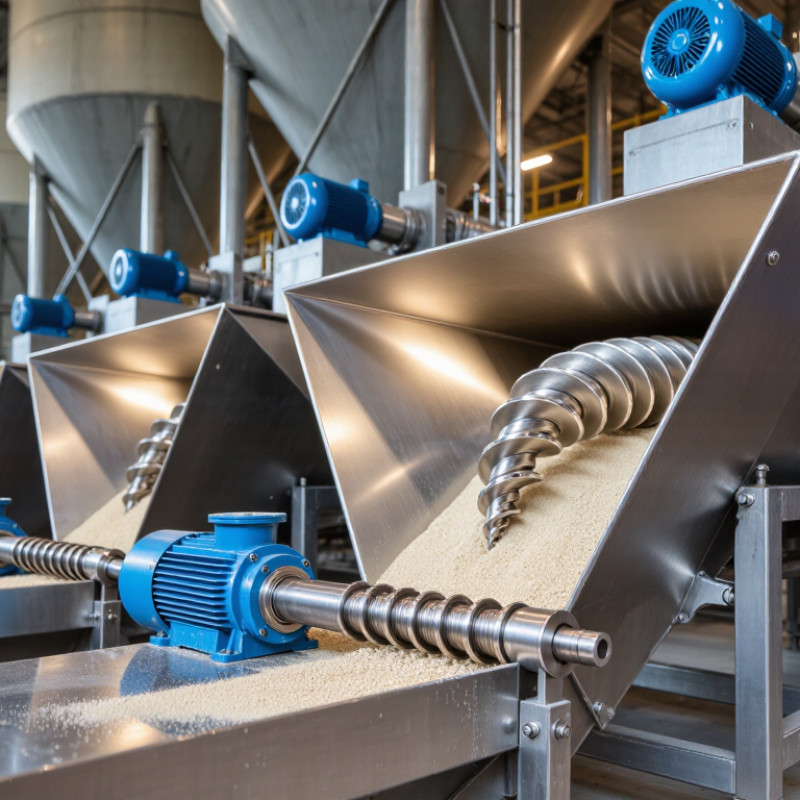
Define the material before selecting a screw conveyor. Record bulk density, particle size, moisture, temperature, and flowability. These details affect the screw diameter, pitch, speed, and motor capacity. Abrasive materials may require stronger flighting and liners. Sticky materials can bridge inside the trough. Fragile particles may break when the screw rotates too quickly. I once underestimated moisture in a powder, and the material formed stubborn buildup near the discharge.
Tip: Test the material under working conditions. A dry sample can behave differently after storage, heating, or mixing. Measure the required capacity in kilograms per hour, not by guesswork. Also note whether the conveyor will run continuously, start under load, or feed another machine. Inclined conveying usually reduces capacity, while long horizontal runs increase power demand.
Handling requirements deserve equal attention. Consider loading points, discharge height, available space, cleaning access, and dust control. A sealed design may protect the material and surrounding equipment. For food, chemical, or sensitive products, surface finish and cleanability need careful review. The conveyor should also match the material’s temperature range and potential corrosion risks. Operators should inspect bearings, seals, and buildup areas regularly. Some designs appear efficient on paper but become difficult to maintain in real operation. That lesson is easy to overlook.
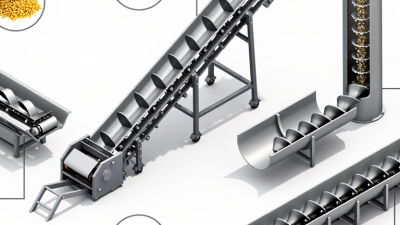
Capacity begins with the material, not the conveyor size. Record bulk density, moisture, particle size, temperature, and flow behavior. CEMA’s published design tables evaluate loading at 15%, 30%, and 45% trough levels. Free-flowing materials may tolerate higher loading. Cohesive materials usually need more space. Small errors here can create large motor demands.
Calculate required throughput in kilograms per hour, then convert it into volume per hour. Screw diameter, pitch, rotation speed, and loading percentage control that result. Leave practical margin for surges, but avoid excessive oversizing. An oversized screw can reduce material control and increase energy use. Keep it realistic.
Conveying distance changes the selection. Longer layouts increase friction, shaft deflection, hanger wear, and power requirements. CEMA guidance recommends checking horsepower, torsional limits, and hanger spacing together. Measure every bend and elevation change. A few extra meters matter. Field testing with the actual material is valuable, although it is often skipped. That omission deserves reconsideration. Temperature and bulk density can also change during operation, so design calculations should include credible worst-case conditions rather than only laboratory averages.
Choosing the right screw conveyor starts with the material, not the catalog. Record bulk density, moisture, temperature, abrasiveness, particle size, and flow behavior. A damp powder may bridge at the inlet, while a hot aggregate can expand clearances. I have seen projects fail because “free-flowing” described the material too casually.
Design around the required capacity and transfer distance. CEMA No. 350 capacity tables commonly evaluate trough loading at 15%, 30%, and 45%. These values help prevent overfilling and torque spikes. Select a horizontal conveyor for controlled transfer, an inclined unit for elevation, or a vertical design only after checking reduced capacity. Inclined operation needs more torque. It also increases rollback risk.
Configuration matters just as much. Use a U-trough for accessible, moderate-duty handling. A tubular housing can contain dust and improve hygiene, but inspection becomes harder. Shaftless designs suit sticky sludge and cohesive products. Choose variable pitch near the inlet when controlled feeding is important. Place inspection ports where operators can actually reach them. ISO 7119 terminology can support consistent performance specifications between suppliers and engineers. Leave room for uncertainty. Real material testing may overturn the first design assumption. Temperature changes, worn flights, and uneven feeding rarely appear in the initial spreadsheet.
Choosing the Right Screw Conveyors: 10 Practical Tips
Power, speed, materials, and safety features determine whether a screw conveyor performs reliably. Begin by calculating capacity, not guessing from appearance. Measure hourly volume, bulk density, particle size, and moisture. A full flight does not always mean efficient transport.
Tip 1: Select motor power for the actual load, incline, and conveyor length. Tip 2: Check starting torque when material may settle overnight. Tip 3: Match screw speed to the product. Fragile granules can break at high speed, while slow movement may cause plugging. Tip 4: Confirm the shaft, flight, and trough can withstand continuous pressure. Tip 5: Leave room for maintenance access.
Materials need careful attention. Abrasive minerals can wear ordinary steel quickly. Damp powders may stick to rough surfaces and form hardened layers. Tip 6: Specify corrosion-resistant construction when moisture or cleaning chemicals are present. Tip 7: Compare flight thickness, shaft strength, and surface finish. Tip 8: Test flow behavior with a representative sample, because laboratory results can differ from production conditions.
Safety should be designed in, not added later. Tip 9: Require guards over rotating parts, accessible emergency stops, and controlled restart procedures. Tip 10: Inspect bearings, seals, and discharge points on a documented schedule. Keep dust under control. A small leak can become a serious housekeeping problem. In practice, I would also challenge the original design assumptions. We once underestimated bridging risk because the material looked free-flowing. Real moisture changed everything. Experience helps, but measured data should have the final voice.
Typical preliminary screw conveyor speed ranges by material behavior. Final selection should verify required capacity, screw diameter, conveyor length, elevation, bulk density, horsepower, guarding, emergency stops, and lockout procedures.
Free-flowing materials generally tolerate higher speeds, while abrasive, sticky, or fragile materials require slower operation to reduce wear, buildup, degradation, and power demand. Select the motor and drive only after calculating capacity, incline, bulk density, friction, and starting torque.
Choosing the right screw conveyor starts with installation, but operating cost should drive the decision. Measure the route, discharge height, clearance, and access for maintenance. A compact conveyor may fit the floor plan, yet create difficult bearing or seal access. CEMA’s Screw Conveyors for Bulk Materials recommends evaluating capacity, speed, loading, material characteristics, and component selection together. Ignoring one factor can increase wear.
Tip: Price the whole life cycle. Include purchase, installation labor, electrical work, lubrication, spare parts, cleaning, downtime, and energy. The U.S. Department of Energy reports that motor systems consume about 69% of industrial electricity. A small efficiency difference matters when a conveyor runs continuously. Compare motor efficiency, operating speed, starts per hour, and expected load. My first estimate is often too optimistic when cleaning time is missing.
Tip: Inspect maintenance access before approval. Leave room to remove covers, replace hanger bearings, and isolate the drive safely. CEMA guidance supports selecting components for the conveyed material, temperature, abrasiveness, and duty cycle. A dusty abrasive product may need more durable contact surfaces, while a sticky product can demand better cleanout access. The cheapest conveyor can become expensive quickly. That lesson is easy to overlook.

Tip: Request a five-year cost model from each supplier. Show assumptions clearly, including hours per year, electricity price, labor rate, and replacement intervals. Use measured plant data when possible, not ideal catalog conditions. Local experience should challenge the spreadsheet.