Ultimate Tips for Choosing the Right Bucket Elevator Belt?
When it comes to selecting the right Bucket Elevator Belt, industry expert John Smith emphasizes, "Choosing the correct belt can determine the success of your operation." The Bucket Elevator Belt is essential in material handling. It plays a crucial role in transporting bulk materials vertically. Mistakes in selection can lead to inefficiencies and increased costs.
Many factors influence the right choice. Belt material, design, and size are critical elements. However, many people overlook these details. They might rush the decision, only to face issues later. This approach can lead to operational glitches, downtime, and frustration.
Understanding the specific needs of your operation is vital. Each industry has unique requirements. A one-size-fits-all solution rarely works. It is crucial to evaluate your materials, environmental conditions, and desired capacity. Taking the time to assess these aspects can save you from costly errors. Reflecting on these factors ensures that your Bucket Elevator Belt choice aligns with your operational goals.
Understanding the Purpose and Function of Bucket Elevator Belts
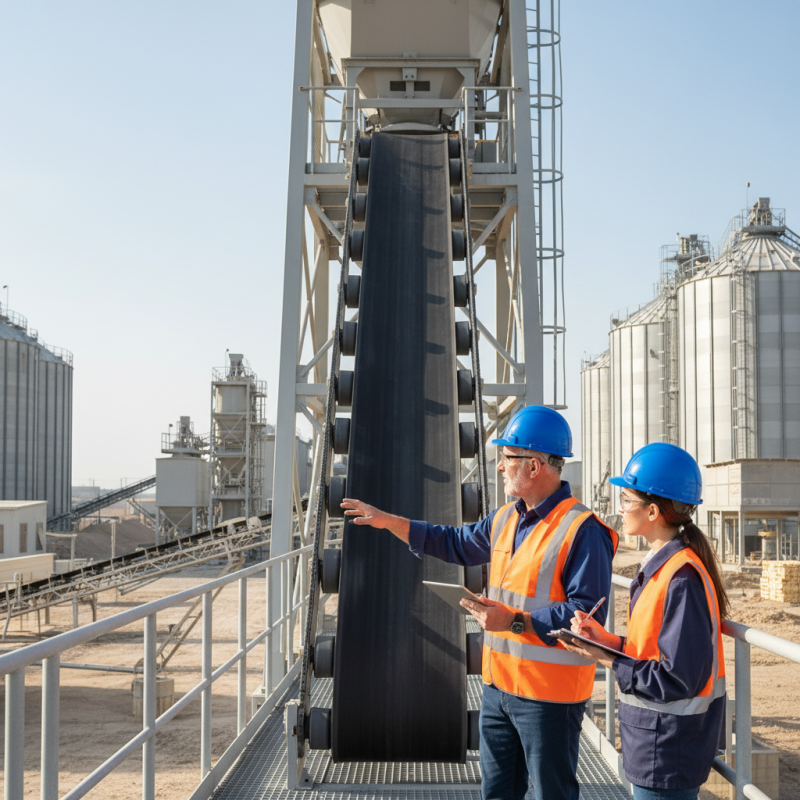
Bucket elevator belts serve a crucial role in materials handling. They are designed to transport bulk materials vertically. Understanding their purpose is essential when selecting the right belt. These belts are often made from robust materials to withstand wear and tear. They should be resistant to the specific materials handled, whether grain, sand, or even recycled products.
Functionally, bucket elevator belts must ensure that materials are moved efficiently. They need to keep the buckets securely attached. A belt that slips can lead to spillage and delays. Different industries might require different specifications. The width and strength of the belt can significantly affect performance. A poorly chosen belt can increase downtime and maintenance costs.
Regular inspection is also vital. Over time, wear can affect how the belt functions. It is important to assess the condition of the belt regularly. This might highlight issues that need to be addressed. Balancing cost with quality is often tricky. Finding the right belt requires careful consideration and sometimes, trial and error.
Types of Bucket Elevator Belts and Their Performance
Key Factors to Consider When Selecting a Bucket Elevator Belt
Choosing the right bucket elevator belt is crucial for efficiency. Various factors influence this decision. Material is one of the key elements. Different materials handle specific products better. For instance, rubber belts are common in handling bulk materials. Yet, some operations may require plastic belts for lightweight items.
Another important consideration is belt width and thickness. A wider belt can carry more material. However, it may require more power. Balancing capacity with energy consumption is vital. Often, operators face product spill issues. Examining load limits can help prevent these problems.
Temperature tolerance matters, too. Some environments are harsher than others. If a belt is exposed to extreme temperatures, it can wear out quickly. Keeping maintenance schedules is essential, yet many overlook this aspect. Regular checks can identify wear before critical failures occur. Consider these factors carefully. They can save time and resources in the long run.
Material Types: Comparing Different Bucket Elevator Belt Options
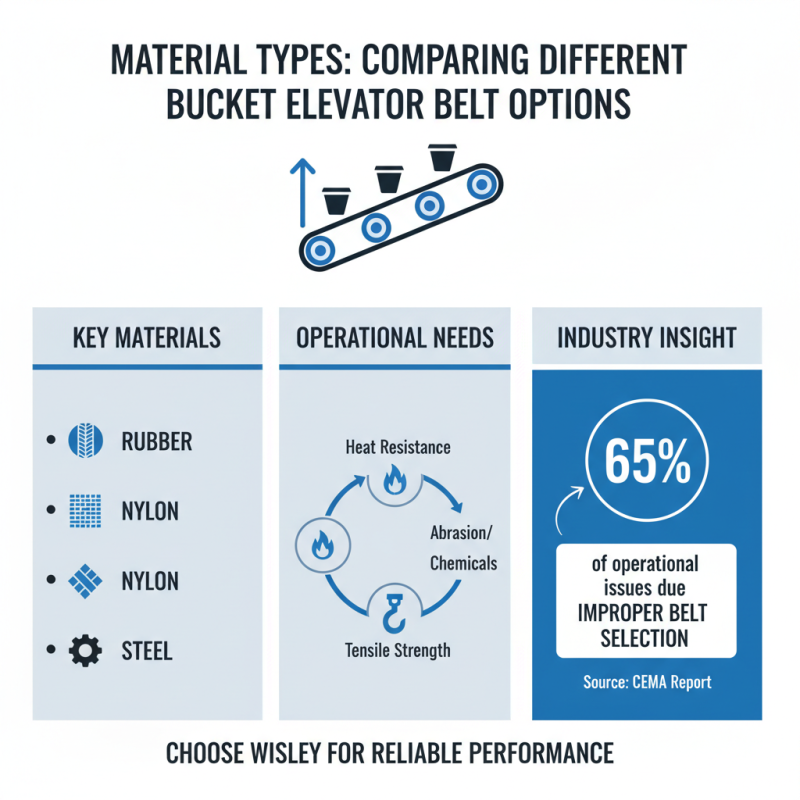
When selecting a bucket elevator belt, material choice is crucial. Various types exist, each catering to specific operational needs. Common materials include rubber, nylon, and steel. According to a report by the Conveyor Equipment Manufacturers Association, approximately 65% of operational issues arise due to improper belt selection.
Rubber belts offer flexibility and are ideal for delicate materials. However, they are prone to wear over time. In contrast, steel belts provide durability and can handle heavy loads. Yet, they may require more maintenance. Meanwhile, nylon belts are lightweight and resistant to chemicals, making them suitable for diverse environments.
Tip: Consider the material's abrasion resistance, especially if your application involves highly abrasive materials. Assess the operating temperature as well. High temperatures can degrade some belts quickly. Another point to reflect on is the environmental conditions. Dust and moisture can deteriorate certain belt materials, affecting longevity. Balance your specific requirements with these options for efficient performance.
Assessing Durability and Performance for Long-Term Use
When choosing a bucket elevator belt, durability and performance are critical factors. The right belt can significantly impact efficiency and lifespan. It's essential to evaluate the materials used. For instance, rubber compounds are often more resilient than plastic. However, each material has its strengths and weaknesses. A belt that performs well in one environment might fail in another. It’s worth considering the specific needs of your operation.
Performance under load is another serious consideration. A belt may withstand heavy lifting but may wear out quickly under constant stress. Pay attention to the tension and alignment during installation. Misalignment can lead to premature wear and decreased efficiency. Regular maintenance checks can catch these issues early. This often overlooked aspect can make a big difference over time.
Don’t just focus on initial performance. Think long-term. It's easy to overlook the wear and tear. Check for wear indicators and other signs of fatigue. You must reflect on the environmental factors as well. High temperatures or moisture can affect longevity. Being mindful here can save costs and headaches later.
Ultimate Tips for Choosing the Right Bucket Elevator Belt
| Belt Material |
Durability Rating |
Temperature Resistance (°C) |
Performance Features |
Recommended Applications |
| PVC |
Medium |
-10 to 60 |
Good abrasion resistance |
Food processing, light materials |
| Polyester |
High |
-40 to 80 |
Excellent tensile strength |
Heavy-duty materials, grain handling |
| Rubber |
Medium |
-20 to 70 |
High flexibility and shock resistance |
Construction materials, mining |
| Steel wire reinforced |
Very High |
-40 to 100 |
Superior load-bearing capability |
Heavy industries, bulk material transport |
Maintaining and Inspecting Bucket Elevator Belts for Optimal Efficiency
Maintaining and inspecting bucket elevator belts are crucial for ensuring optimal efficiency. Regular check-ups can prevent unexpected downtime. A worn belt can lead to costly delays. Look for signs of fraying or cracking. These are indicators that the belt needs attention. Sometimes, belts may appear fine but could have hidden issues.
Regular cleaning is essential too. Debris can build up, affecting performance. A dirty belt can wear out faster. Use a simple brush to remove any buildup. Adjustments may also be needed over time. Pay attention to tension and alignment. An incorrectly aligned belt can cause uneven wear. This leads to premature failure.
Documentation of inspections is vital. Keep a log of what you find. This helps in understanding patterns of wear. If a belt consistently shows signs of wear in one area, investigate the cause. It might be an operational issue that requires addressing. Sometimes, issues arise without clear reasons. Reflecting on these challenges can lead to better solutions in the long run.