Leave Your Message

China Best Portable Crusher for Sale and Price?

Choosing the best Portable Crusher for sale in China depends on the material, worksite, and expected output. A compact unit may suit a small quarry or road project, while a larger mobile plant can handle heavier, steady workloads. The right choice is not simply the machine with the lowest advertised price. It is the one that fits your production needs without adding avoidable transport, fuel, or maintenance costs.

Start with the basics. Is the feed rock, concrete, or another material? What input size and hourly capacity do you need? Jaw crushers are commonly used for primary crushing, while impact and cone models serve different material and product requirements. These differences affect both performance and price. A useful comparison should include the crusher model, motor power, screening or conveying equipment, and the conditions behind any stated capacity. Numbers can look precise. Site conditions still matter.

For China Portable Crusher prices, request a written quotation that clearly lists the machine configuration, included parts, warranty terms, and shipping costs. Ask how wear parts are sourced and what technical support is available after delivery. A low quote may exclude important equipment or services. That is easy to miss. Compare like with like, and verify specifications directly with the manufacturer or authorized seller. Even then, selection involves trade-offs; a machine that looks ideal on paper may need adjustment once real material reaches the feed hopper.
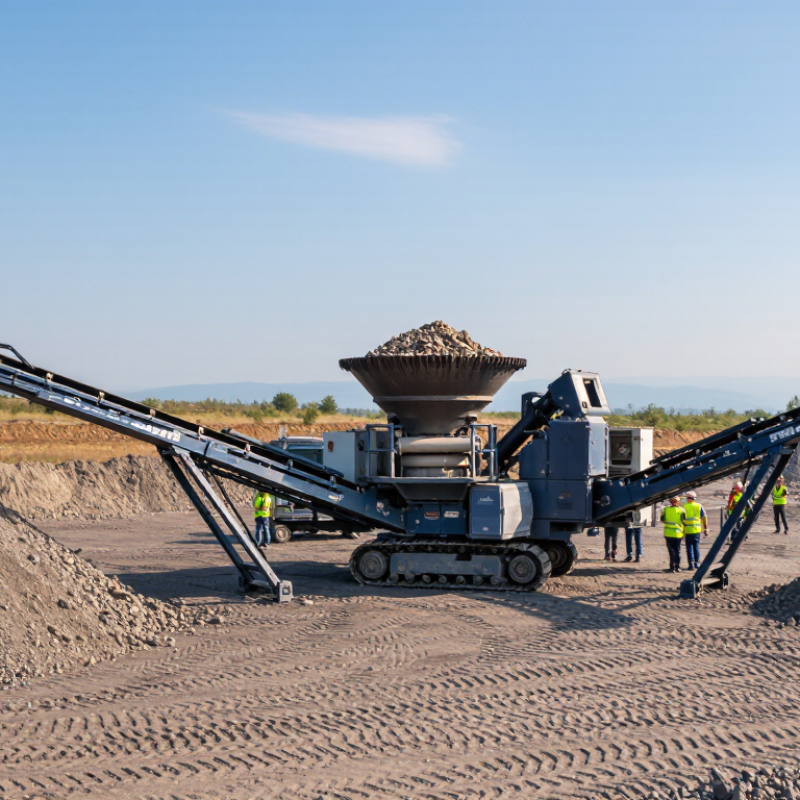
China Best Portable Crusher for Sale and Price?

What Is a Portable Crusher and How Does It Work?

China Best Portable Crusher for Sale and Price?

What Is a Portable Crusher and How Does It Work?

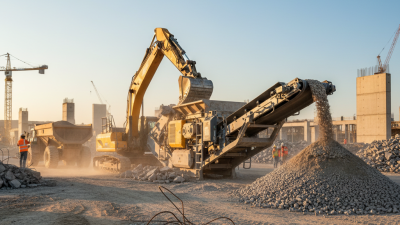
A portable crusher is a mobile machine that reduces rock or construction material into smaller pieces. It may sit on tracks, wheels, or a transportable trailer. A typical setup includes a feeder, crusher, screening deck, and discharge conveyors. The feeder controls how material enters the crushing chamber. A jaw crusher compresses larger, hard feed; an impact crusher breaks material with repeated blows. Different jobs call for different equipment. Not quite. Moisture, rock hardness, and the required product size can all affect performance.

At a working site, an operator feeds material into the machine and adjusts the feed rate to avoid overloading it. Crushed material travels along a conveyor to a screen, which separates sizes. Oversized pieces may return for another pass. That return loop takes space and needs monitoring. Portable equipment can reduce hauling between locations, but moving it still requires access, setup time, and a suitable working surface. Dust and noise also need attention on site. Price varies with crusher type, capacity, screening equipment, and transport configuration. A useful comparison starts with the material and target output, not just the advertised hourly capacity. Real conditions can be less tidy than a specification sheet suggests.
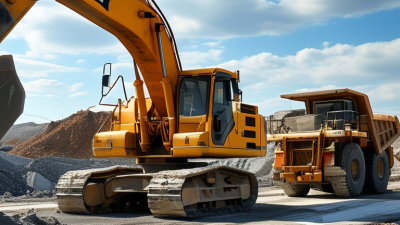
Which Types of Portable Crushers Are Available in China?

China’s portable crusher range generally includes jaw, impact, and cone units, plus mobile screening plants. Jaw crushers handle large, hard feed such as blasted granite. Their wide opening accepts rough pieces, while the discharge may need secondary crushing. Impact crushers suit limestone and recycled concrete, producing more cubical material but wearing faster on abrasive rock. Cone crushers are often chosen for secondary or tertiary crushing of hard, consistent feed. Tracked machines move across uneven sites; wheeled units can be easier to relocate between prepared locations.

The US Geological Survey’s Mineral Commodity Summaries 2024 estimated US crushed-stone production at about 1.5 billion short tons in 2023. That figure is not a China market estimate, but it illustrates the scale of aggregate processing and why capacity, feed size, and product grading matter. Combination plants pair crushing and screening on one chassis. They can reduce site setup, though compact layouts may limit access for maintenance. No single type fits every quarry.

Tips: Check the rock’s hardness, maximum feed size, target output, and required screen fractions before comparing prices. Ask suppliers for test results using similar material, not just rated capacity. A few tonnes per hour lost to wet, sticky feed can change the economics. There is no perfect setup; real-site trials are worth considering.

How to Choose the Best Portable Crusher for Your Project

Choosing the best portable crusher starts with the feed, not the brochure. Measure the largest rock, check hardness and moisture, then define the finished sizes and daily tonnage. A jaw unit suits primary reduction of coarse material; a cone or impact unit may fit different rock and product needs. Verify the complete circuit, including screens and conveyors. A crusher’s rated capacity alone can mislead.

The U.S. Geological Survey’s Mineral Commodity Summaries 2024 estimated U.S. crushed-stone output at about 1.5 billion short tons in 2023. This signals the scale of aggregate demand, not a China price benchmark. For a China purchase, compare quotations by usable tonnes per hour, fuel or electricity use, wear-part costs, setup, and after-sales support. Ask for a test result using material similar to yours. Price varies with configuration and shipping, so request an itemized quote. Site access matters. A machine may fit the tonnage on paper yet struggle on a muddy pad or tight turn. I would also leave room for imperfect feed data; one wet-season sample may not represent the whole project. Check dimensions, transport weight, and service intervals before committing.

China Portable Crusher Selection: Typical Capacity Ranges

Compare indicative processing-capacity ranges to help shortlist a portable crusher for your project.

How to use this chart: Jaw crushers are commonly considered for primary crushing, while impact and cone crushers are often selected for different downstream crushing needs. Actual throughput depends on feed material, feed size, desired product, and machine configuration. Treat these broad ranges as planning guidance and confirm rated capacity with equipment specifications for your project.

What Factors Affect Portable Crusher Prices in China?

Portable crusher prices in China vary with capacity, configuration, and delivery scope. The biggest cost driver is often the required output, measured in tonnes per hour. A unit designed for steady production may need a larger feeder, stronger frame, and more power. Those parts add cost. Feed material matters, too. Hard granite can wear crushing parts faster than softer limestone, so buyers should consider expected maintenance, not only the purchase price.

The crusher type and mobility system also affect the quote. Jaw units suit primary crushing, while impact or cone options may fit different materials and product sizes. Diesel power can help at remote sites; electric systems may suit locations with reliable power. A tracked machine can move across rough ground, but its undercarriage adds expense. Small details count. Ask whether the price includes conveyors, screens, control systems, and a starter set of wear parts.

Check the quote carefully. Confirm the stated capacity, feed size, and finished product size under comparable conditions. Freight, export packing, installation support, and spare-part availability may be priced separately. A low initial quote can look attractive, yet leave important items out. Even experienced buyers can miss this when comparing offers quickly. I would request an itemized quotation and clarify how service support works before deciding; the cheapest figure is not always the lowest operating cost.

How to Compare Chinese Suppliers and Purchase Options?

China Best Portable Crusher for Sale and Price?

The right comparison starts with the job, not the lowest quote. The USGS Mineral Commodity Summaries 2024 reports about 1.5 billion tons of crushed stone produced in the United States in 2023. That scale highlights why output capacity and operating conditions matter. Ask each Chinese supplier to quote the same feed size, material hardness, target product sizes, and working hours. A headline price tells little without those details.

Compare equipment configuration, not just rated capacity. Request a written breakdown of the crusher, screen, conveyor, power system, wear parts, and commissioning support. Ask for recent test results using similar feed material, plus the method used to measure hourly output. Check warranty coverage, spare-parts lead times, remote support, and shipping terms. ISO 21873-2:2019 addresses safety requirements for mobile crushers; ask what documentation the offered machine provides. A neat quotation is reassuring, but it does not prove consistent performance. I would still verify the figures.

Tips: Compare factory-direct, ready-stock, and customized options on the same delivered-cost basis. Confirm what installation and spare parts include. Numbers need context.

China Best Portable Crusher for Sale and Price? - How to Compare Chinese Suppliers and Purchase Options?

Typical Portable Crusher Configurations

Configuration Typical Application Indicative Capacity Indicative FOB China Price (USD) Key Purchase Checks
Compact mobile jaw crusher Primary crushing of quarry rock, concrete, and demolition material at smaller sites. Approximately 20–100 tonnes per hour; actual output depends on feed size, rock type, and settings. Approximately $25,000–$90,000 Confirm maximum feed size, jaw opening, engine and power specifications, conveyor arrangement, and whether the unit is wheeled or tracked.
Medium mobile jaw crusher Primary crushing for quarrying, road construction, and recycling projects requiring higher throughput. Approximately 80–300 tonnes per hour. Approximately $80,000–$250,000 Request a capacity estimate for the actual feed material. Check chassis, crusher wear-part availability, dust-control provisions, and transport dimensions.
Mobile impact crusher Secondary crushing of limestone, asphalt, and concrete; often selected when a cubical product is important. Approximately 50–250 tonnes per hour. Approximately $90,000–$300,000 Check feed material limits, rotor and blow-bar specifications, product-size options, and expected wear-part consumption for abrasive materials.
Mobile cone crusher Secondary or tertiary crushing of harder, abrasive rock, commonly used after a jaw crusher. Approximately 100–400 tonnes per hour. Approximately $150,000–$450,000 Confirm the proposed cone model, feed size, closed-side setting range, lubrication and hydraulic systems, and compatibility with the upstream plant.
Mobile screening plant with crusher Combined crushing and screening where product grading or multiple aggregate sizes are required. Approximately 50–300 tonnes per hour, depending on the crusher, screen area, and material. Approximately $120,000–$400,000 Check the screen-deck arrangement, mesh sizes, recirculation circuit, conveyors, and whether the quoted price includes both units.

Price and capacity note: These are broad planning estimates, not live quotations or guaranteed specifications. FOB prices may exclude freight, insurance, import duties, taxes, installation, commissioning, and spare parts. Final cost and throughput vary with configuration, production year, material properties, and order terms.

Supplier and Purchase-Option Comparison

Purchase Option Typical Advantages Points to Verify Best Suited For
Direct purchase from a manufacturer Direct technical communication, access to configuration choices, and potential access to factory documentation. Verify the legal exporting entity, factory address, relevant product experience, written warranty, parts list, and video or in-person inspection arrangements. Buyers with experience managing international shipping, customs clearance, and commissioning.
Export trading company May coordinate export documents, shipping, and communication across several equipment categories. Confirm who manufactures the machine, who provides warranty service, which entity receives payment, and whether technical support is available after delivery. Buyers seeking a coordinated export process or a package of different equipment.
Local distributor or service partner Potentially faster access to local service, spare parts, training, and assistance with installation. Check service coverage, local parts stock, response times, warranty responsibility, and the total delivered price. Projects where local support and reduced downtime are priorities.
New machine with standard configuration Usually simpler to compare, with a defined specification and new wear parts. Compare the full bill of materials, included conveyors and screens, control system, spare-parts package, and delivery schedule. Buyers who need a predictable specification and longer planned operating life.
Used or refurbished machine May have a lower initial purchase price and shorter lead time when a suitable unit is available. Request operating-hour records, maintenance history, inspection results, photographs of wear parts, and a clear list of replaced components. Buyers with inspection capability and a limited initial budget.

Comparison tip: Request quotations using the same feed material, target output, working hours, power source, and delivery destination. Compare the complete landed cost and written performance assumptions rather than the headline machine price alone.