What is a Plastic Sheet Extruder and How Does It Work?
The plastic manufacturing industry is evolving rapidly. One key component of this sector is the Plastic Sheet Extruder. This technology plays a vital role in producing various plastic sheets used across multiple applications, including packaging, construction, and automotive sectors. According to a recent report by Smithers Pira, the global market for plastic sheets is projected to reach $70 billion by 2025, highlighting the significance of this technology.
Industry expert Dr. Lisa Nguyen emphasizes the importance of innovation in extrusion. She states, "The efficiency of a Plastic Sheet Extruder can significantly impact production costs and product quality." This underscores the need for continuous improvement in extruder design and operation. However, the complexity of these machines can lead to performance inconsistencies, which should prompt manufacturers to critically assess their processes.
The market's demand for more sustainable solutions is growing. Many extruders now focus on producing recyclable and biodegradable plastic sheets. This shift presents new challenges and opportunities. In conclusion, understanding how a Plastic Sheet Extruder works is essential for industry stakeholders aiming to stay competitive in this dynamic market.
What is a Plastic Sheet Extruder?
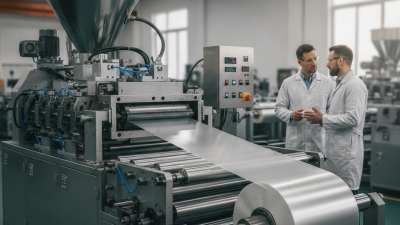
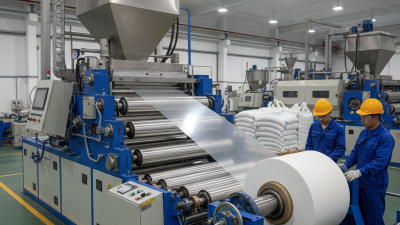
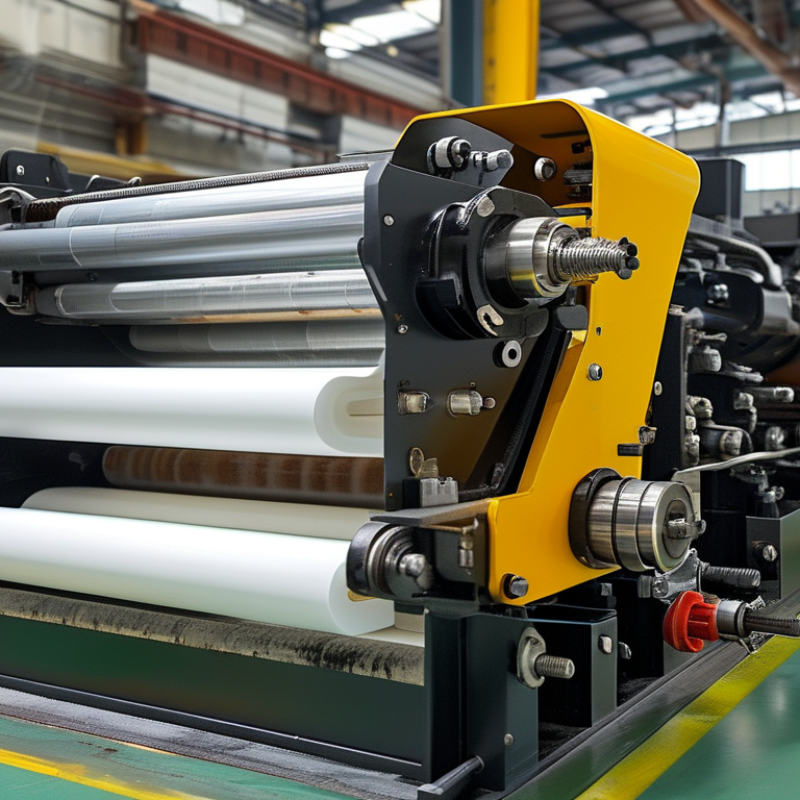
A plastic sheet extruder is a sophisticated machine designed to create plastic sheets of various types and thicknesses. It operates by melting plastic pellets and forcing the molten material through a die. This process allows for the continuous production of plastic sheets used in a range of applications, from packaging to construction.
The extruder itself consists of several key components. The hopper feeds raw plastic into the barrel, where it is gradually heated. The screw conveyor mixes and pushes the material forward. A carefully designed die shapes the molten plastic as it exits. This method ensures uniform thickness and quality. However, challenges can arise during production, such as inconsistent temperatures or impurities in the material that affect the final product.
Observation of the extrusion process reveals that precision is crucial. A slight variation in temperature can lead to defects. Manufacturers must constantly monitor conditions to maintain high standards. Additionally, the recycling aspect of the process offers potential improvements but requires careful handling to avoid contamination. Reflection on these complexities enhances understanding.
What is a Plastic Sheet Extruder and How Does It Work?
| Dimension |
Description |
| Material Used |
Polyethylene (PE), Polypropylene (PP), Polyvinyl Chloride (PVC) |
| Production Process |
Melting plastic pellets, extrusion through a die, cooling and solidifying |
| Thickness Range |
0.5 mm to 10 mm |
| Width Range |
500 mm to 2000 mm |
| Applications |
Packaging, construction, signage, and automotive parts |
| Key Components |
Hopper, screw, barrel, die, cooling system |
| Extrusion Speed |
Up to 300 kg/h depending on the material and thickness |
Key Components of a Plastic Sheet Extruder
A plastic sheet extruder is a vital piece of equipment in the manufacturing sector. It transforms raw plastic into sheets through a process called extrusion. Understanding the key components of this machine helps in optimizing production.
The main elements include the hopper, screw, heater, die, and cooling system. The hopper feeds raw plastic into the extruder. The screw then moves the plastic forward, heating it until it melts. Reports indicate that efficient heating can improve melt uniformity, leading to better sheet quality. The die shapes the molten plastic into a continuous sheet, while the cooling system solidifies it, ensuring the final product maintains its form.
**Tip:** Monitor raw material quality. Variations in consistency can affect the final sheet’s properties and durability.
Another important component is the control system. This system adjusts temperatures and speeds based on required specifications. Studies show that precise control can enhance energy efficiency, reducing production costs. However, operators must regularly assess calibration settings; even small deviations can lead to significant issues down the line.
**Tip:** Regular maintenance checks are essential. They can prevent unexpected downtimes, ensuring your extruder runs smoothly.
Understanding these components and their functions can yield better production outcomes. Balancing efficiency and quality remains a challenge for manufacturers in this competitive industry.
The Extrusion Process Explained Step-by-Step
The extrusion process is fundamental in manufacturing plastic sheets. Understanding this process helps industries innovate effectively. It begins with raw plastic pellets fed into a heated barrel. As the temperature rises, these pellets melt into a thick, viscous liquid. This initial stage is crucial; improper heating can lead to variations in product quality.
Next, the molten plastic is forced through a die. The die shapes the material into a flat sheet or a specific profile. The sheet then undergoes cooling on a conveyor system. This phase requires careful monitoring. Uneven cooling may create warping or stress in the final product. Industry reports suggest that controlling the cooling rate can increase overall product durability by up to 15%.
After cooling, the sheets are trimmed and cut to size. Quality control processes are essential here. According to experts, more than 10% of plastic sheets can fail quality checks due to inconsistencies. Regular testing and assessment ensure that only the best products reach consumers. Constant refinement in each step of the extrusion process leads to better end products, highlighting the need for efficiency in this critical manufacturing stage.
Plastic Sheet Extrusion Process: Production Volume by Material Type
Applications of Plastic Sheet Extruders in Various Industries
Plastic sheet extruders play a vital role in multiple industries, from packaging to construction. They transform raw plastic into flat sheets through a continuous process. These sheets are essential in manufacturing items such as protective barriers, signs, and containers. According to a recent report, the global plastic sheet market is expected to reach over $30 billion by 2026, driven by increasing demand in sectors like automotive and aerospace.
In the construction industry, plastic sheets are used as vapor barriers and insulation. They offer moisture resistance and thermal protection, crucial for building integrity. Another significant application is in the medical field. Plastic sheets are utilized in making sterile barriers and packaging. The healthcare sector relies on these materials to maintain hygiene and prevent contamination. These applications demonstrate the versatility of plastic sheets.
Tips: Consider the environmental impact of plastic use. Look for recycling options and innovative materials that reduce waste. Regularly assess your supply chain for sustainable practices. Industries must focus on improving efficiency in extrusion processes to decrease energy consumption, which can be challenging yet rewarding. Emphasizing eco-friendly alternatives might enhance market competitiveness as awareness grows.
Maintenance and Troubleshooting Tips for Extruders
Extruders play a vital role in the production of plastic sheets. Regular maintenance is crucial for optimal performance. Inspecting the barrel and screw assembly is essential. Blockages can lead to inefficiencies. It’s important to keep the temperatures consistent. Fluctuating heat can cause defects in the final product. Regularly check and clean the heating elements. This step enhances efficiency and reduces wear and tear.
Troubleshooting can be challenging. If the machine experiences inconsistent output, examine the material feed. Uneven feeding can result in variations in thickness. Additionally, monitor the cooling system. Poor cooling can distort the plastic sheets. If you notice unusual noises, it may indicate mechanical wear. A thorough inspection of the drive motors and gears can prevent larger issues. Take note of any patterns in the machine's performance.
Operators should also maintain a diligent cleaning routine. Residue buildup can affect both quality and function. Regularly analyzing and documenting the machine’s operation gives insight into potential problems. Encourage feedback from the team. This collaborative approach can identify overlooked issues. Adopting a reflective mindset fosters a proactive maintenance culture. This can lead to improved efficiency and product quality.