Leave Your Message

How to Choose the Right Feed Mixer for Your Farm?

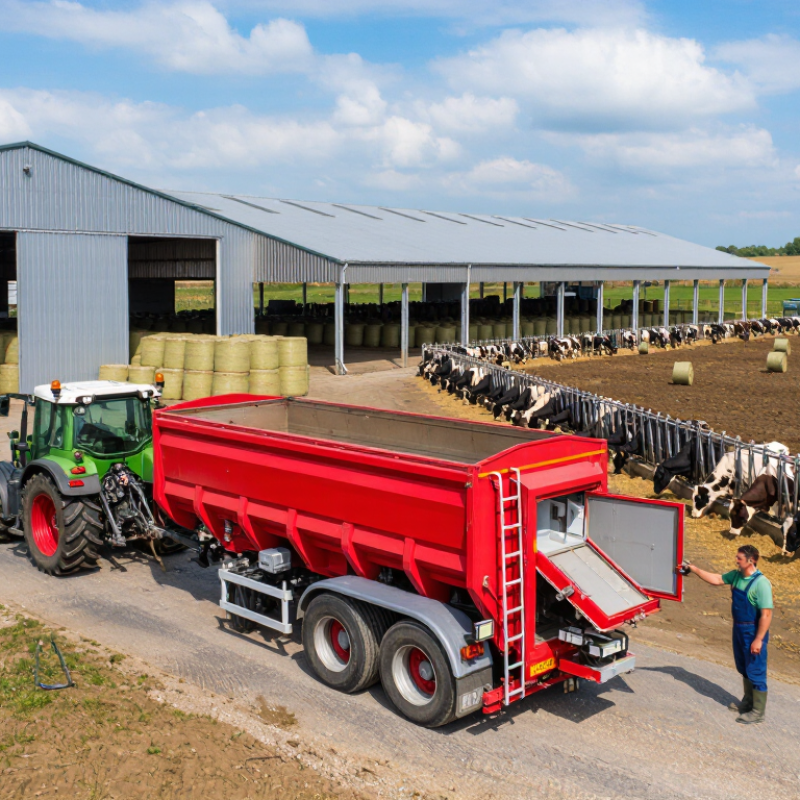
Choosing the right Feed Mixer begins with understanding your ration, herd size, and daily workflow. It is not simply a question of buying the largest machine available. A 2024 Alltech Agri-Food Outlook estimated global feed production at 1.126 billion metric tonnes in 2023. That scale highlights a practical truth: consistent mixing affects a large and valuable supply chain.

Dr. Rick Grant, a respected dairy nutrition researcher, describes the mixer wagon as “the heart of the TMR feeding system.” His point is easy to see on a working farm. A mixer that overloads may leave dry hay near the top and dense silage at the bottom. A weak weighing system can also create costly ration errors. Small mistakes become significant when they are repeated every morning.

The best choice depends on evidence from your own farm. Measure daily batch weight, ingredient moisture, loading time, mixing duration, and feed refusals. Compare vertical and horizontal designs carefully. Check auger wear, knife adjustment, discharge speed, scale readability, and local service support. Consider whether the mixer can handle your smallest and largest practical batches. A machine that works beautifully at full capacity may perform poorly with half a load.

Industry reports provide useful context, but they cannot replace a farm-level assessment. Even experienced operators sometimes select capacity before studying ration density. That decision deserves reflection. Request demonstrations with your actual ingredients, including long-stem hay and wet by-products. Record the results. Then choose the Feed Mixer that delivers repeatable particle size, accurate loading, safe operation, and manageable ownership costs.
How to Choose the Right Feed Mixer for Your Farm?

Understanding Feed Mixer Types and Their Core Functions

How to Choose the Right Feed Mixer for Your Farm?

Understanding Feed Mixer Types and Their Core Functions

Choosing the right feed mixer starts with understanding its design. Each type handles ingredients differently.

Vertical mixers lift and tumble long hay, silage, and dry supplements. They suit rations with bulky fiber and uneven particle sizes. Horizontal mixers use paddles or ribbons to move feed across the chamber. They often blend grains, minerals, and chopped forage efficiently. A stationary mixer works well beside storage bins. A mobile mixer reduces loading and feeding transfers across scattered pens. That matters on larger farms.

The choice is not automatic. Feed texture, herd size, moisture, and available power should guide it. A mixer that is too large may extend mixing time and waste energy. A small unit may overload when forage is damp.

Core functions deserve equal attention. A reliable mixer should create a consistent ration from the first scoop to the final discharge. Check the scale system, loading height, knife arrangement, auger clearance, and discharge doors. These details affect daily accuracy. Watch how the mixer handles wet silage. Sticky material can cling to walls and create hidden leftovers. Keep it clean.

On farms, I would test a representative batch before purchase. Measure mixing time, inspect several samples, and compare dry matter distribution when possible. Operators should also check service access and safety guards. A perfect blend on paper means little if cleaning takes too long. I have seen farms choose capacity over usability, then underuse the machine. That mistake is easy to repeat. Leave room for correction.
Assessing Farm Size, Herd Needs, and Available Feed Ingredients

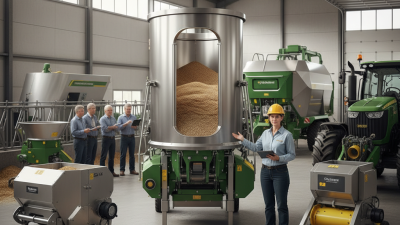
Choosing a feed mixer starts with your farm, not the machine’s advertised capacity. A small dairy herd may need two cubic meters, while 120 cows may require twelve or more. Measure the daily ration carefully. Leave working space. A mixer filled to the rim can blend unevenly. Count every animal group, including dry cows, calves, and growing stock. Their diets are not interchangeable. Small errors matter.

Available ingredients also shape the right mixer. Long-stem hay may need sharp knives and extra mixing time. Wet silage or brewery grains can form heavy clumps. Mineral supplements require accurate weighing and thorough distribution. Ask for a practical test using your own ingredients, not only a dealer’s sample ration. Check whether the mixer handles seasonal moisture changes. A ration that works in July may fail during a wet winter.

Consider loading height, tractor power, mixing speed, and daily workload. A large machine can waste fuel and feed on a smaller farm. A small machine may force several batches and increase labor. Inspect the scale, discharge door, auger, and service access. Speak with an independent animal nutritionist and an experienced operator before buying. Keep records of mixing time, refusals, and milk or growth results. I would not rely on capacity alone. It is easy to overlook cleaning time, and that mistake can become expensive.

Matching Mixer Capacity, Mixing Method, and Power Requirements

How to Choose the Right Feed Mixer for Your Farm?

Mixer capacity should match your daily feeding routine, not your biggest possible batch. A useful target is 70–85% of the stated capacity. This allows ingredients to move freely and reduces uneven mixing. For example, a 2,000-liter mixer may handle about 1,400 liters efficiently. Test your actual ingredients, because dry hay, silage, and minerals behave differently. An overloaded chamber often leaves dry pockets near the corners.

The mixing method also matters. Vertical mixers handle long hay and heavy fiber well, while horizontal mixers often suit precise, faster blending. Auger shape, knife arrangement, and loading order can change the result. Power requirements depend on capacity, ingredient density, and feeding speed. A small tractor may operate an empty mixer easily but struggle when the chamber is full. Check available horsepower, hydraulic flow, PTO speed, and electrical limits before purchasing. Field conditions are less predictable than brochures suggest.

Tips: Weigh a normal batch and record mixing time. Inspect three samples from different discharge points. If texture varies, reduce the load or extend mixing briefly. Ask your operator to note fuel use and tractor strain. I once underestimated wet silage weight; the mixer worked, but the tractor consumed far more fuel. That mistake changed my sizing approach. Also leave room for future herd growth, but do not pay for unused capacity today.

How to Choose the Right Feed Mixer for Your Farm? - Matching Mixer Capacity, Mixing Method, and Power Requirements
1. Feed Mixer Selection Guide
Farm or Herd Requirement Recommended Mixer Type Typical Working Capacity Suitable Mixing Method Typical Power Requirement Main Advantages Important Considerations
Small dairy or beef operation with limited daily feed volume Horizontal single-auger mixer 3–8 m³ Horizontal auger with knives and paddles PTO: approximately 30–55 kW
Electric: approximately 22–45 kW
Compact design, relatively low purchase and operating cost, and good suitability for short mixing cycles May be less suitable for very long fiber or highly structured forage unless fitted with appropriate knives
Medium-sized dairy or beef farm requiring consistent total mixed ration production Horizontal twin-auger mixer 8–20 m³ Two horizontal augers for controlled cutting and blending PTO: approximately 55–110 kW
Electric: approximately 45–90 kW
Good mixing uniformity, efficient discharge, and flexible handling of forage, silage, concentrates, and minerals Requires sufficient tractor hydraulic capacity or electrical infrastructure; loading height should be checked
Farm using long-stem hay, dry forage, or high-fiber rations Vertical single-auger mixer 10–20 m³ Vertical auger with cutting knives PTO: approximately 60–110 kW
Electric: approximately 45–90 kW
Strong forage-processing ability and good tolerance of long or difficult ingredients Usually needs more power per cubic metre than a horizontal mixer and may require longer processing time
Large dairy or beef enterprise with high daily throughput Vertical twin-auger mixer 20–40 m³ Two vertical augers with high-capacity cutting and lifting action PTO: approximately 110–220 kW
Electric: approximately 90–180 kW
High throughput, strong processing of fibrous ingredients, and suitability for large batch sizes Requires a high-capacity tractor or electrical supply, reinforced loading equipment, and sufficient yard space
Operation requiring frequent movement between feed storage and multiple barns Trailed mixer wagon 8–40 m³ Auger-based mixing with tractor PTO drive Approximately 55–220 kW PTO, depending on size and ration Flexible transport, lower fixed installation requirements, and easy use across different feeding locations Turning radius, road width, axle load, and tractor compatibility must be verified
Stationary feeding line with reliable three-phase electricity Stationary electric mixer 5–30 m³ Horizontal or vertical electric auger mixing Approximately 30–150 kW electric motor capacity Consistent operating cost, convenient automation, and no tractor required during mixing Needs suitable electrical service, motor protection, dust control, and a fixed loading and discharge layout
2. Capacity Matching by Herd Size and Feeding Schedule
Approximate Herd Size Typical Fresh-Matter Ration per Animal per Day Estimated Daily Feed Volume at 350–450 kg/m³ Suggested Mixer Volume for One Daily Batch Suggested Mixer Volume for Two Daily Batches Practical Recommendation
Up to 50 cattle 35–55 kg per animal Approximately 4–8 m³ per day 5–10 m³ 3–5 m³ Choose a mixer that can process the smallest planned batch without operating below its minimum effective fill level
50–150 cattle 35–55 kg per animal Approximately 8–24 m³ per day 10–25 m³ 6–15 m³ A horizontal twin-auger or vertical single-auger mixer is commonly suitable, depending on forage length and ration structure
150–300 cattle 35–55 kg per animal Approximately 24–48 m³ per day 25–50 m³ 15–30 m³ Consider two mixing batches, a larger twin-auger machine, or a stationary system to reduce feeding interruptions
More than 300 cattle 35–55 kg per animal More than 48 m³ per day Usually not recommended as one batch 25–40 m³ per batch or multiple batches Prioritize throughput, loading logistics, discharge speed, weighing accuracy, and service access over maximum nominal volume
3. Key Technical Checks Before Purchase
Check Item Recommended Selection Rule Why It Matters
Usable capacity Use approximately 80–90% of the manufacturer’s stated geometric volume for regular feeding operations Overfilling can increase power demand, reduce mixing uniformity, and cause material loss during transport
Minimum batch size Confirm that the smallest batch is large enough to cover the auger and weighing components effectively An oversized mixer may produce poor ingredient distribution when used for very small batches
Ration density Calculate capacity using the actual fresh-matter density of the farm’s ration, commonly about 350–450 kg/m³ for many mixed rations Density changes with moisture, forage type, particle size, and the proportion of concentrates
Forage length and structure Select a vertical system or suitable cutting equipment when the ration contains long-stem hay or highly fibrous forage Long forage can bridge, wrap, or overload a mixer that is not designed for intensive cutting
Available power Match the mixer’s required PTO or electric power with a continuous operating margin of approximately 10–15% Insufficient power can cause slow mixing, overload protection trips, and premature drivetrain wear
Loading and discharge layout Measure loading height, door clearance, alley width, turning radius, and discharge height before ordering Physical access often limits productivity more than the mixer’s rated capacity
Weighing accuracy Prefer a weighing system with clearly visible displays and practical resolution for small mineral and additive quantities Accurate weighing supports ration consistency and reduces ingredient waste
Operating environment Choose corrosion-resistant components and sealed electrical or weighing equipment for wet, dusty, or acidic feed environments Moisture, silage acids, and dust can accelerate corrosion and affect sensors, bearings, and controls
Planning note: The capacity and power figures above are typical planning ranges rather than fixed specifications. Actual requirements vary with ration density, moisture content, forage length, ingredient sequence, desired mixing time, discharge frequency, terrain, and the mixer’s mechanical design. Final selection should be confirmed using the equipment manufacturer’s technical data and the tractor or electrical system available on the farm.

Comparing Operation, Maintenance, Safety, and Total Ownership Costs

How to Choose the Right Feed Mixer for Your Farm?

A feed mixer should match your daily ration, herd size, and available labor. In practice, loading speed often matters more than brochure capacity. A machine that mixes evenly but takes twenty minutes to clean can delay feeding. Check mixing time, discharge control, maneuverability, and power demand during a real farm trial. My first cost estimate was too optimistic because I ignored small delays between batches.

Maintenance affects ownership costs quietly. Inspect augers, knives, chains, bearings, and discharge doors before purchase. Ask how often each part needs adjustment. Simple access panels can reduce repair hours. Record fuel or electricity use for several weeks, not just one test. A lower purchase price may become expensive when downtime interrupts feeding or requires emergency labor.

Tips: Compare three costs: purchase, annual operation, and expected repairs. Test the mixer with your actual forage moisture and batch size. Watch for uneven material near the corners. Confirm that guards, emergency stops, and service locks are easy to use. Train every operator, even experienced workers. Safety habits can weaken during busy mornings. Keep a maintenance log with dates, parts, and operating hours. Leave room for mistakes in your budget; farm conditions rarely stay perfect.

How to Choose the Right Feed Mixer for Your Farm?

Comparing operation, maintenance, safety, and total ownership costs

The chart uses a five-point planning scale based on common operating characteristics of feed mixer designs. Higher scores indicate easier operation, lower maintenance requirements, stronger safety potential, and lower total ownership cost. Actual results depend on ration type, daily mixing volume, loading method, labor practices, and service conditions.

Selecting the Best Feed Mixer for Long-Term Farm Efficiency

Choosing a feed mixer for long-term farm efficiency starts with your daily ration, not advertised capacity. Observe herd size, batch frequency, forage length, moisture variation, and loading space. A mixer that runs half-empty may waste fuel and reduce blending consistency. An overloaded mixer can leave dry pockets and strain the drive system. Measure ingredients for one week. Real records beat guesses.

Select working capacity for normal batches, with modest room for seasonal changes. Check whether the chamber handles long fiber without wrapping or bridging. Horizontal and vertical designs behave differently, so compare them with your hay and silage. Ask for mixing evidence from several discharge points. Check scale accuracy during uneven loading. Small errors accumulate. Inspect unloading speed, cleanout access, tire clearance, and power requirements before purchasing.

Long-term value also depends on maintenance access and technical support. Look for grease points, replaceable wear parts, guarded components, and clear service intervals. Keep a log of mixing time, repairs, fuel use, and ration adjustments. It may reveal problems early. I would not ignore operator feedback; a difficult machine may sit idle during busy feeding periods. One overlooked issue remains. Some farms choose extra capacity, then discover poor mixing with small batches. Test the smallest routine load, not only the largest one.