Leave Your Message

10 Essential Tips for Choosing the Right Bucket Elevator Belt

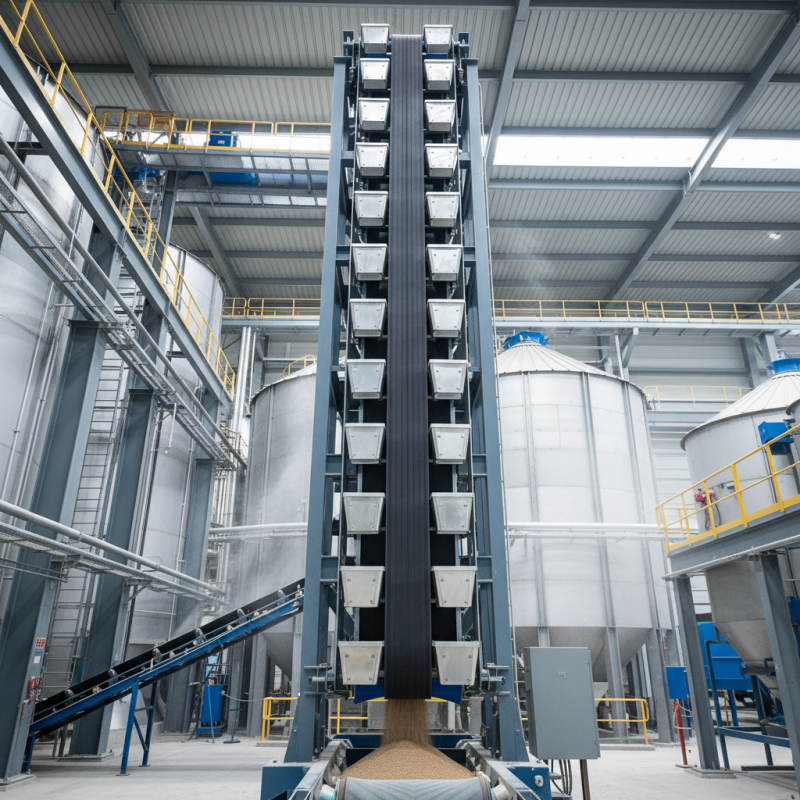
Choosing the right Bucket Elevator Belt is crucial for efficiency in material handling. Steven Harris, an expert in the field, once said, "A quality belt ensures long-term productivity." This statement highlights the importance of selecting the best components for your operation.

When exploring options, consider the material type and design. Bucket Elevator Belts come in various styles. Each has unique strengths and weaknesses. It’s about finding the right fit for your specific needs. Poor choices can lead to frequent breakdowns. The wrong belt may not handle the load correctly or could wear out quickly.

Observing installations and asking for recommendations can provide valuable insights. Understand the environment your Bucket Elevator Belt will operate in. Dust, humidity, and temperatures all play roles. Real-world examples can guide your decision-making process. In this challenging aspect of engineering, every detail counts, and reflections on past choices can lead to better future decisions.
10 Essential Tips for Choosing the Right Bucket Elevator Belt

Understanding the Different Types of Bucket Elevator Belts Available

10 Essential Tips for Choosing the Right Bucket Elevator Belt

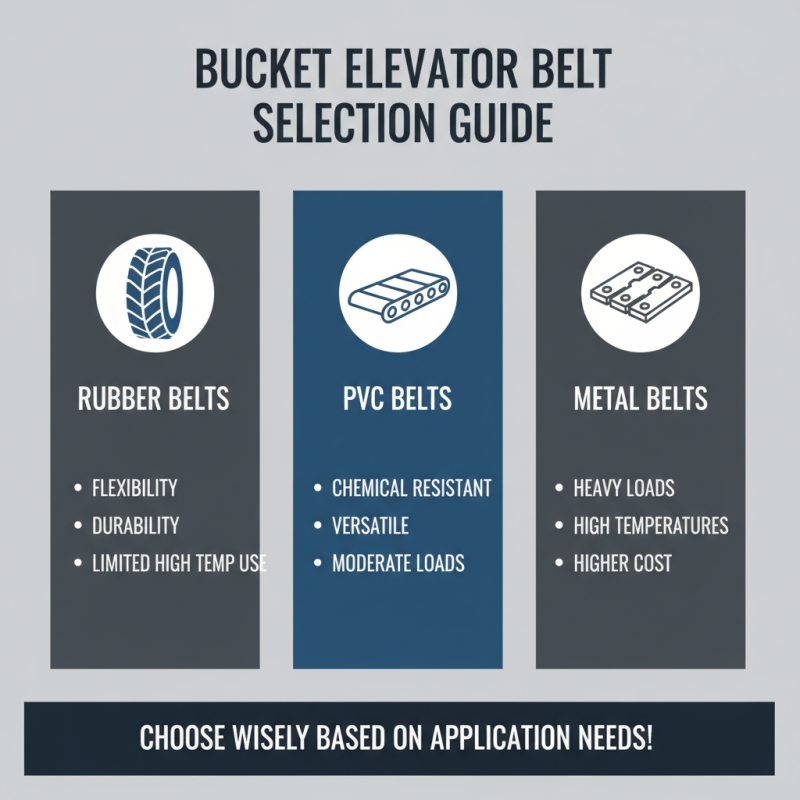
When selecting a bucket elevator belt, understanding the different types available is crucial. There are several materials to consider, such as rubber, PVC, and metal. Each type has distinct features and benefits tailored to various applications. For instance, rubber belts offer flexibility and durability but might not perform well in high-temperature environments. Metal belts, on the other hand, are excellent for heavy loads but can be more expensive.

Tip: Always evaluate the environment where the belt will operate. Temperature fluctuations can degrade certain materials faster than others. For instance, a PVC belt may melt or warp in extremely high temps. Also, consider the load type – are you transporting bulk material or finished products? This decision affects your belt choice significantly.

Another key factor is belt design. Some belts have reinforced edges for added strength. Others come with customizable bucket sizes, which can optimize efficiency. It's worth noting that improper sizing can lead to material spillage and increased wear. This is often overlooked during the selection process.

Tip: Keep maintenance in mind when choosing a belt. A belt that is hard to clean or maintain can lead to problems down the road. Reflect on your long-term needs as well. What works today might not suit future requirements. Make sure to choose with foresight.
Key Factors to Consider When Selecting a Bucket Elevator Belt

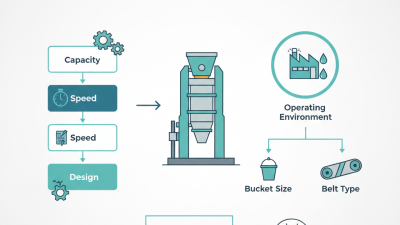
When selecting a bucket elevator belt, several key factors demand attention. The material of the belt plays a critical role in its performance. For instance, the choice between rubber, PVC, or other materials significantly impacts durability. According to industry reports, belts made from high-quality materials can last up to 50% longer in demanding environments. Evaluate this carefully to prevent frequent replacements.

Operating environment is equally important. Exposure to extreme temperatures, moisture, or chemicals can degrade the belt quickly. A study by the Conveyor Equipment Manufacturers Association indicated that over 30% of failures in bucket elevator systems stem from inappropriate belt selection based on environmental conditions. It's essential to analyze the specific conditions where the bucket elevator operates.

Furthermore, bucket design and capacity influence the belt type. Overloading can lead to premature wear, making it vital to match the belt to the buckets. Some operators ignore this aspect, leading to increased maintenance costs. Data shows that poorly matched systems can reduce efficiency by 20% or more. A proactive approach in understanding these factors is crucial for optimal performance. Choosing the right belt can be more complex than it seems.

Evaluating the Material Compatibility for Bucket Elevator Belts

Selecting the right bucket elevator belt requires careful evaluation of material compatibility. The choice of belt material significantly impacts efficiency and durability. For example, a report by the Conveyor Equipment Manufacturers Association indicates that incorrect material selection can lead to a 30% decline in operational efficiency.

When assessing material compatibility, consider the specific materials being transported. Different materials possess varying characteristics, such as abrasiveness and temperature resistance. For instance, transporting grain might require a different belt than one handling sand or gravel. Incompatible materials can lead to premature wear and increased maintenance costs. According to industry data, nearly 25% of belt failures are linked to inappropriate material choices.

Contamination is another critical point. Some materials may react negatively, affecting the belt's integrity. A belt that works perfectly for one application might fail in another due to unexpected reactions. It's vital to analyze the entire system, including environmental factors. For instance, belts exposed to extreme temperatures may need specialized coatings. Skipping these evaluations can lead to frequent breakdowns and unplanned downtime, which is costly for any operation.

Assessing the Strength and Durability of Bucket Elevator Belt Options

When selecting a bucket elevator belt, strength and durability are key factors. The right belt must withstand the demands of heavy loads and harsh environments. Materials such as polyester and nylon often offer robust options, but the best choice depends on your unique application. Consider the type of material being handled and the environment. The right balance can prevent premature wear.

Testing the durability of a belt is crucial. This involves checking its resistance to abrasion, impact, and temperature extremes. A belt that performs well under specific conditions may fail under others. It’s vital to know the limits of your chosen material. Sometimes, a seemingly strong belt can deteriorate faster than expected. Pay attention to any signs of wear during operation.

Installation also plays a role in longevity. Even the best belt can underperform if not installed correctly. Regular maintenance checks are essential. Listen for unusual noises; they may indicate an issue. Small details, like tension adjustments, can make a difference. Don’t overlook the importance of monitoring your equipment closely. Each choice shapes the performance of your bucket elevator.

10 Essential Tips for Choosing the Right Bucket Elevator Belt

Tip Description Material Type Strength Rating Durability Rating
1. Assess Material Suitability Choose the right material based on the type of materials being transported. Polyester High Moderate
2. Evaluate Load Capacity Ensure the belt can handle the maximum load without failure. Nylon Very High High
3. Consider Temperature Resistance Select belts that can withstand extreme temperatures. PVC Moderate Low
4. Check Oil and Chemical Resistance Ensure the belt can resist damage from oils and chemicals. Rubber High Very High
5. Evaluate Belt Thickness Thicker belts tend to have better durability and strength. Polyester Moderate Moderate
6. Inspect for Reinforcements Belts with reinforcements offer extra strength and resistance. Steel Cord Very High High
7. Examine Splice Quality High-quality splicing improves belt longevity and performance. Polyester High Moderate
8. Consider Impact Resistance Select belts that can withstand heavy impacts during operation. Rubber High Very High
9. Assess Flexibility Requirements Ensure the belt can bend and move easily without risk of damage. Nylon Moderate Moderate
10. Understand Maintenance Needs Choose belts requiring low maintenance to reduce operational costs. PVC Moderate High

Importance of Manufacturer Reputation in Choosing Elevator Belts

10 Essential Tips for Choosing the Right Bucket Elevator Belt

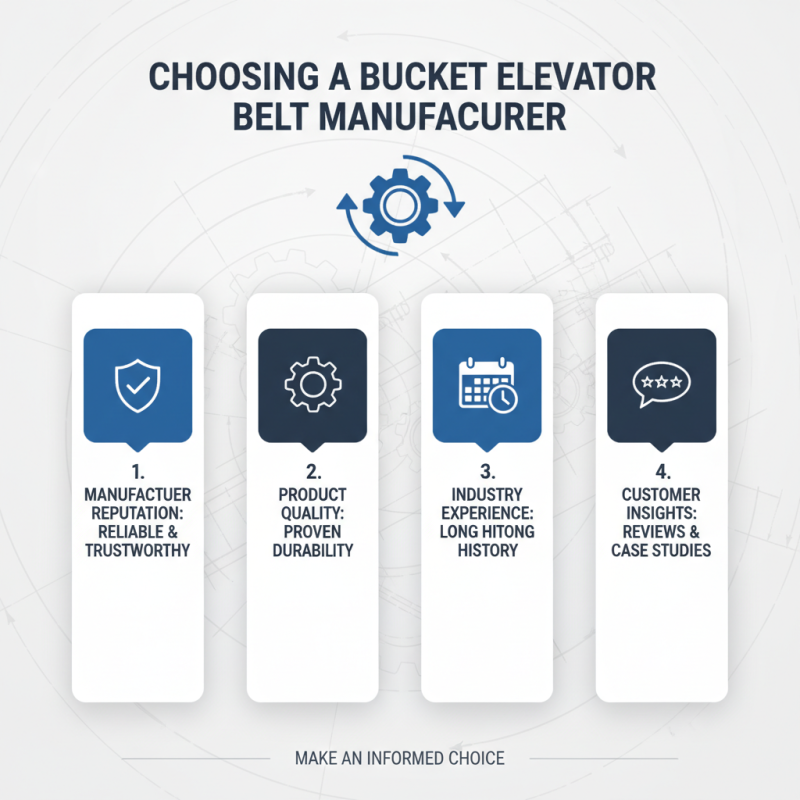
When choosing a bucket elevator belt, the manufacturer's reputation holds significant weight. A reliable manufacturer often demonstrates quality in their products. Their experience in the industry can signal trustworthiness. Look for manufacturers with a solid history of producing durable belts. Check their customer reviews; they provide valuable insights into product performance. Silent testimonials and case studies enhance transparency.

Quality materials are vital. Manufacturers known for rigorous testing standards usually produce superior belts. If possible, inquire about their sourcing practices. Are materials ethically sourced? Avoiding suppliers with questionable practices can protect your operation’s integrity. Additionally, reflect on your specific needs. A well-regarded manufacturer may not always meet bespoke requirements. Always ask questions; an open dialogue can reveal potential weaknesses.

Selecting a bucket elevator belt shouldn't be rushed. Take your time to evaluate various manufacturers. Quality over speed is essential here. Research thoroughly to avoid pitfalls in your equipment choices. A good reputation is not the only factor, but it significantly influences your decision. Ultimately, an informed choice leads to better operational efficiency.